How to Tell If Drill Bits Are Cobalt: A Practical Guide
Learn how to identify cobalt drill bits with reliable markings, measurements, and Datasheets. This practical guide from Drill Bits Pro covers visual cues, measurements, and safe testing to confirm cobalt content before metal drilling.


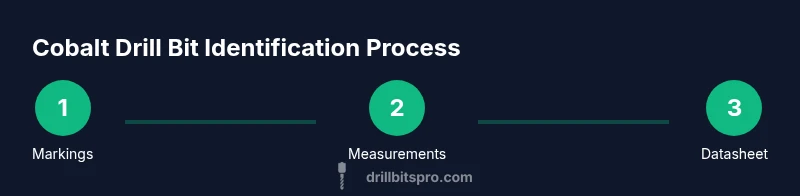
How to Tell If Drill Bits Are Cobalt: In this guide, you’ll learn reliable methods to identify cobalt steel drill bits, differentiate them from standard high-speed steel, and verify markings through measurements and datasheets. This quick answer covers visible stamps, alloy indicators, and safe testing steps so you can confirm cobalt bits before punching into metal.
What cobalt drill bits are and why they matter
Cobalt drill bits are a specialized subset of high-speed steel (HSS) that incorporate cobalt alloy to improve heat resistance and hardness during metal drilling. They are favored for drilling tough steels and alloys that dull standard HSS bits quickly. The Drill Bits Pro team notes that genuine cobalt bits maintain cutting edge integrity under high temperatures and repeated use, reducing the need for frequent tool changes in professional shops. Understanding what makes cobalt unique helps you select the right bit for the job and avoid waste on mislabeled tools. While price is a consideration, the biggest payoff is performance under demanding drilling conditions such as automotive or industrial metalworking or steel fabrication. If you’re new to metal drilling, start by identifying whether your bits are labeled as HSS-Co, Co-M3, or other cobalt-inclusive designations in the stamping. Do not rely on color alone—the finish can vary by manufacturer, coating, or age. According to Drill Bits Pro, cobalt bits are designed to stand up to higher heat, enabling deeper holes at consistent speeds with less dulling.
block_maturity_note
Tools & Materials
- Calipers or digital micrometer(to measure drill diameter and flute length precisely)
- Magnifying glass or jeweler's loupe(to read small stamped markings on shank or flute)
- Strong magnet(can help flag plain steel vs cobalt-containing alloys, but not definitive)
- Product datasheets or manufacturer reference charts(cross-check model numbers against official specs)
- Safety glasses(protect eyes during inspection and handling)
- Scrap metal piece for controlled testing (optional)(test cutting performance on scrap metal if safe to do so)
Steps
Estimated time: 20-30 minutes
- 1
Gather and inspect the bits
Collect the batch of drill bits you want to verify. Lay them out on a clean surface and inspect each bit for legible markings, brands, and any consistent cobalt-related codes. This initial visual check helps you plan which bits require deeper verification and prevents unnecessary testing on unfamiliar tools.
Tip: Take photos of markings from multiple angles so you can reference them later. - 2
Read the stamped markings
Use a loupe to read every marking on the shank or flute. Look for manufacturer shorthand such as Co, HSS-Co, or a model/part number. Note that markings alone do not guarantee cobalt content; they indicate the alloy or intended specification and must be cross-checked with a datasheet.
Tip: If the stamp is faint, clean the area with a lint-free cloth and re-check. - 3
Measure dimensions with calipers
Measure the bit’s diameter at the cutting edge and the overall flute length. Compare your measurements to the labeled spec on the packaging or the datasheet. Consistent dimensions across multiple measurements increase confidence in the identity.
Tip: Measure at several points around the circumference to catch any taper or irregularity. - 4
Cross-check with the datasheet
Lookup the part number or marking in the manufacturer’s datasheet. Genuine cobalt bits will be listed with their alloy composition and heat-treatment details. If you cannot find a match, treat the bit as unverified and avoid aggressive metal drilling until you confirm.
Tip: Consult the brand’s official site or a trusted distributor catalog for accurate specs. - 5
Perform a safe, controlled test (optional)
If you have scrap metal and proper safety gear, perform a light test at a conservative speed with cutting fluid to observe heat tolerance and cutting performance. Do not push a questionable bit into critical workpieces. Compare performance against known cobalt and non-cobalt bits when possible.
Tip: Always wear eye protection and use a guard; monitor overheating and stop if the bit dulls quickly. - 6
Document and label
Record the results for each bit: markings read, measured dimensions, datasheet confirmation, and test observations. Label cobalt-ident bits with a clear tag and note the source brand. This makes future work faster and reduces misidentification risk.
Tip: Keep a small binder or digital note with image references for quick cross-checks.
Got Questions?
Are cobalt drill bits always magnetic?
Cobalt steel is typically ferromagnetic, so magnets often attract cobalt bits, but magnetic behavior alone isn’t a reliable identifier. Always rely on markings and datasheets.
Cobalt steel bits are usually magnetic, but you should rely on markings and datasheets for identification.
What does HSS-Co mean?
HSS-Co means high-speed steel with cobalt alloy. It indicates improved heat resistance and hardness compared to standard HSS.
HSS-Co means high-speed steel with cobalt alloy, which improves heat resistance.
Can I sharpen cobalt drill bits?
Yes, you can sharpen cobalt bits using a proper grinding wheel and coolant to prevent overheating. Use a slow, steady feed and avoid undercooling the bit.
Yes, but keep it cool and use the right wheel.
Is cobalt better than titanium-coated bits for metal drilling?
Cobalt alloys improve heat resistance; titanium coatings reduce friction. The best choice depends on material, drilling speed, and coolant usage.
Cobalt handles heat better; coatings help reduce friction; pick based on the job.
Can I tell if a cobalt bit is genuine by color?
Color is not a reliable indicator. Finishes vary by manufacturer and age, so rely on stamps and the datasheet.
Color isn’t a reliable cue—check the markings and datasheet.
What if a bit isn’t marked?
If a bit is unmarked, refer to the brand’s datasheet or seek guidance from a trusted supplier before use.
If it’s unmarked, consult the brand’s datasheet before use.
Watch Video
Top Takeaways
- Check markings and datasheets to confirm cobalt content.
- Measure dimensions precisely with calipers.
- Cross-check against manufacturer references for accuracy.
- Test safely on scrap metal before real use.
- Label and store cobalt bits clearly.