How to Drill into Brick: Step-by-Step Guide
Learn precise, safe methods to drill into brick using masonry bits, a hammer drill, and careful prep. This comprehensive guide covers prep, technique, and finishing tips to ensure clean holes and strong anchors without cracking.


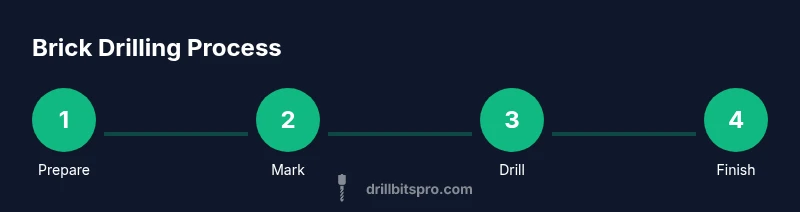
You will learn how to drill into brick safely and accurately. Begin with marking the drill spot, using a center punch, then drill a shallow pilot hole, switch to the appropriate masonry bit, and gradually widen. Maintain steady pressure, correct bit speed, and dust control for clean results.
Brick Drilling Essentials
When you set out to drill into brick, the goal is to create precise, clean holes without damaging the surrounding material. Brick masonry differs from wood or metal because the aggregate can chip when a bit is forced too aggressively, and mortar joints can crumble if the drill speed is too high or the bit is dull. The keyword how to drill into brick should guide your approach: start with the right tool pairing, maintain a steady pace, and tailor your technique to brick type and anchor depth. In this guide, you’ll learn why brick drilling demands patience, how to select the right masonry bits, and the step-by-step actions that reduce crack risk while delivering accurate hole diameters for anchors and fasteners. Throughout, Drill Bits Pro provides practical, AI-assisted guidance to help you work efficiently with confidence.
Brick Drilling Essentials
When you set out to drill into brick, the goal is to create precise, clean holes without damaging the surrounding material. Brick masonry differs from wood or metal because the aggregate can chip when a bit is forced too aggressively, and mortar joints can crumble if the drill speed is too high or the bit is dull. The keyword how to drill into brick should guide your approach: start with the right tool pairing, maintain a steady pace, and tailor your technique to brick type and anchor depth. In this guide, you’ll learn why brick drilling demands patience, how to select the right masonry bits, and the step-by-step actions that reduce crack risk while delivering accurate hole diameters for anchors and fasteners. Throughout, Drill Bits Pro provides practical, AI-assisted guidance to help you work efficiently with confidence.
Tools & Materials
- Hammer drill or corded/cordless hammer drill(Choose a model with adjustable speed and good dust control)
- Masonry bits (carbide-tipped preferred)(Select bits sized for your anchor, e.g., 1/4", 3/16", etc.)
- Pilot bit (smaller diameter than final hole)(Helps guide the larger bit and reduces brick cracking)
- Center punch and hammer(For marking a precise starting point if tape isn’t sufficient)
- Masking tape or pencil for marking(Prevents bit from wandering on glossy bricks)
- Vacuum or dust extraction, or a brush and container to collect debris(Keeps area clean and reduces airborne dust)
- Safety goggles, dust mask, and hearing protection(Personal safety is non-negotiable)
- Tape measure and marker(Accurate depth control and hole placement)
- Water spray bottle (optional)(Keeps bit cool on hard brick; use sparingly)
- Anchors or plugs for final hole size(Select according to load requirements)
Steps
Estimated time: 60-90 minutes
- 1
Gather and verify tools
Collect the hammer drill, masonry bits, pilot bit, and anchors. Inspect bits for dull edges or chips and ensure the drill is charged or corded. Confirm you have PPE and a clean work area.
Tip: Always wear safety gear and test the drill on a scrap brick to verify bite before starting the actual hole. - 2
Mark the drill point
Use masking tape to mark the spot on the brick face and lightly scribe a center point. If needed, use a center punch to create a tiny indentation for guiding the bit.
Tip: Masking tape helps prevent wandering on smooth brick surfaces. - 3
Secure the workpiece
If you’re drilling into a vertical wall, use clamps or have a helper hold the brick to prevent movement during drilling. A stable stance reduces misalignment.
Tip: A secure surface reduces bit wandering and improves accuracy. - 4
Start with a pilot hole
Drill a shallow pilot hole with a smaller bit at a controlled speed to guide the larger masonry bit. Keep the drill perpendicular to the surface.
Tip: Pilot holes reduce brick spalling and help the final hole stay concentrically aligned. - 5
Drill to final diameter
Switch to the final masonry bit slightly larger than your anchor. Apply steady pressure, keeping the bit cool. Do not force the bit; let the tool earn each inch.
Tip: Pause if the bit overheats or smoke appears; overheating abrades the bit and the brick. - 6
Check depth and clean
Use a depth stop or mark the desired depth on the bit with tape. Retract the bit slowly to clear dust, then recheck depth.
Tip: Clear debris frequently to prevent binding and ensure accurate depth. - 7
Finish and install
Clean the hole with a brush or vacuum, dry-fit the anchor, and install it per the manufacturer's instructions. Confirm the anchor sits flush and securely.
Tip: Choose anchors rated for brick and ensure the wall cavity is appropriate for the load. - 8
Inspect and document
Verify hole diameter, depth, and overall hole condition. Note any brick chips or mortar damage for future repairs.
Tip: Document the drill size and depth for maintenance records.
Got Questions?
Do I absolutely need a hammer drill to drill into brick?
For most brick drilling tasks, a hammer drill paired with a masonry bit is recommended to provide the necessary impact action. A regular drill without hammer mode will struggle and may produce poor holes or chip brick. If you don’t own a hammer drill, consider renting one for larger projects.
A hammer drill is usually required for brick because it provides impact action that makes the hole easier and cleaner.
What size bit should I start with for anchors?
Begin with a pilot hole using a bit smaller than the final anchor diameter, then step up to the final size. This reduces stress on the brick and helps ensure a precise fit for the anchor.
Start with a smaller pilot hole, then move to the final size for a precise fit.
Can I drill directly to final diameter without a pilot hole?
Drilling directly to final diameter increases the risk of brick spalling and misalignment. A pilot hole guides the larger bit and minimizes material damage.
Skipping the pilot hole can crack bricks; always use a pilot hole first.
How deep should I drill for typical wall anchors?
Depth depends on the anchor type. In general, go slightly deeper than the anchor length to allow for dust removal and setting of the plug. Always follow the manufacturer’s depth recommendations.
Depth depends on the anchor; check the instruction and drill a touch deeper than the anchor length.
What safety precautions are essential?
Wear eye protection, a dust mask, and hearing protection. Ensure the area is clear of bystanders, and keep cords away from the drill path to prevent tripping.
Always wear PPE and keep the area clear of people to stay safe.
Watch Video
Top Takeaways
- Plan the layout and mark precisely before drilling
- Use the correct masonry bit and hammer drill settings
- Drill with steady pressure and coolant as needed
- Pilot holes reduce cracking and improve accuracy
- Clean holes thoroughly before anchoring