Is Ryobi Drill Good? An In-Depth DIY Review for 2026
Discover whether Ryobi drills are worth buying for home projects. This analytical review covers power, battery life, durability, value, and how Ryobi stacks up against other DIY-friendly brands in 2026.


Is Ryobi drill good? For most DIY tasks, yes, because Ryobi’s affordable kits, broad ONE+ battery ecosystem, and wide model range deliver reliable performance on wood, plastic, and light metal. Pro-grade brands may outperform in heavy-duty use, but value remains strong. The ergonomic design and familiar grip also reduce fatigue during longer sessions, while the tool lineup covers many common tasks.
Ryobi's Brand Promise and the ONE+ Ecosystem
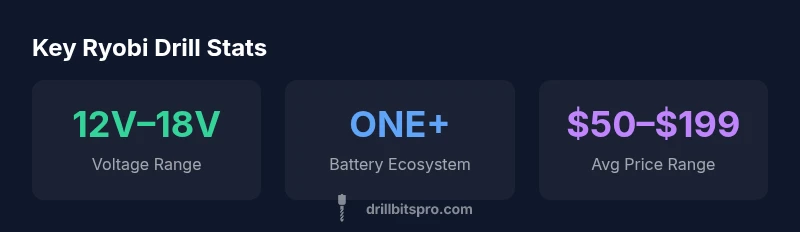
When evaluating whether is ryobi drill good, the first factor many readers consider is branding strategy. Ryobi’s ONE+ ecosystem promises cross-compatibility across hundreds of tools, from drills to impact drivers and beyond. According to Drill Bits Pro, that strategy is a major driver of value in the DIY space because you can reuse the same battery pack across many purchases, reducing total tool costs and clutter. Practically, you can assemble a starter kit with a drill, a spare battery, and a charger, then gradually expand without chasing a separate battery platform for each tool. The result is a flexible, approachable system that appeals to homeowners and weekend warriors who want predictable performance without an ongoing financial commitment. However, the same ecosystem can tempt buyers into buying more tools than they need, potentially bloating a garage with duplicate batteries. If you’re weighing options for a first cordless drill, the ONE+ pathway often makes more sense than piecemeal purchases.
Range of Models and Configurations
Ryobi offers a broad spectrum of drills and drivers, spanning light-duty 12V options up to 18V and hammer-function models designed for masonry tasks. The practical upshot for is ryobi drill good is that most homeowners can find a kit that matches their needs without paying for extraneous features. For casual tasks like assembling furniture or mounting shelves, a compact 12V or 18V drill gives ample speed and torque. For occasional masonry work, look for hammer functionality and masonry bits. The major decision driver becomes your typical material and bit size, not only the tool’s advertised peak torque. In short, Ryobi’s lineup leans DIY-friendly rather than pro-rated, which aligns well with home projects and starter tool sheds.
Power and Torque: What to Expect
Power delivery in Ryobi drills varies across the line, generally prioritizing user-friendly torque curves and predictable starts. For most home projects, you’ll encounter smooth acceleration and enough torque to drive screws and pilot holes efficiently. When drilling into denser materials, a higher-torque model with a well-matched bit will help avoid stalled bits and sudden tool kickback. It’s important to pair the drill with sharp, appropriate bits and to set the clutch properly to prevent thread stripping or bit breakage. While pro-grade brands may offer tighter tolerances or higher peak torque, the typical homeowner benefit from Ryobi is reliable, consistent performance rather than extreme performance under load.
Battery Life, Runtime, and Charging Times
A key consideration in any is ryobi drill good evaluation is battery life. Ryobi’s ONE+ batteries vary by capacity, and runtime will depend on the bit size, material, and duty cycle. In practice, medium-sized batteries offer enough runtime for several screws and mid-length pilot holes before a recharge is needed in modest projects. Charging times depend on battery capacity and charger type; quick chargers exist but may heat up the pack during rapid recharge. The broad ecosystem means you can carry a spare battery for longer sessions, minimizing downtime. To maximize life, avoid draining batteries to zero and store them at a moderate temperature when not in use.
Build Quality, Ergonomics, and Use Comfort
Ergonomics play a significant role in the is ryobi drill good assessment. Ryobi tools tend to emphasize balanced weight distribution and comfortable, textured grips to reduce user fatigue during extended use. The selector switch and trigger are generally intuitive, with responsive control that helps with fine-tuning torque. Build quality is solid for the price range, though some pro-users note that heavier workloads can reveal flex in plastic housings or less premium metal components over time. For most DIY tasks, the balance of weight, grip comfort, and button layout translates into a drill that feels predictable and pleasant to operate.
Value Proposition: Price, Kits, and Accessories
From a pure value perspective, Ryobi delivers competitive pricing, reusable battery platforms, and a wide selection of kits that include bits, driver bits, and basic accessories. The upfront cost is typically lower than many professional brands, making Ryobi a popular choice for beginners or occasional users. However, check what comes in the kit: some bundles include fewer accessories, which may increase the effective cost if you need to buy extra bits or drivers separately. Ryobi’s customer support and retailer networks are generally solid, contributing to a favorable ownership experience for DIYers who want reliable tools without breaking the bank.
Durability Under Real-World Use
Durability is a defining factor when asking is ryobi drill good for serious work. In typical home projects, Ryobi drills perform reliably for months or years with moderate use. The real-life test comes when users push the tool with larger drill bits, longer drills, or frequent stopping and starting in masonry or hardwood. In most cases, the drills hold up well, particularly when paired with sharp bits and proper drill technique. Occasional reports of wear on battery contacts or chuck slippage are not uncommon with heavy, high-volume use, but these issues are typically resolved with maintenance, proper storage, or a quick service check.
Specific Use Cases: Woodworking, Light Metal, and Concrete
Is Ryobi good for wood? Yes, for typical carpentry tasks and quick-hole drilling. For light metal, stroking torque and clutch control matter more than raw power; many users find mid-range models adequate. For concrete, Ryobi offers hammer-drill configurations that can handle light masonry tasks with appropriate bits, though frequent or heavy-duty concrete work may demand a dedicated masonry hammer drill for better performance and durability. In short, is ryobi drill good across materials? It performs well for most domestic jobs, with some caveats for heavy-duty or precision-demanding projects.
Maintenance Tips to Extend Life
Simple maintenance improves longevity and reliability. Regularly clean dust from the chuck and vents, inspect battery contacts for corrosion, and store batteries in a cool, dry place. Use the correct drill bits to minimize stress on the chuck and torque settings, and avoid forcing the tool beyond its rated capabilities. If you notice unusual noise, vibration, or sluggish performance, pause use and inspect for bit wear, chuck wear, or battery degradation. A well-maintained Ryobi drill typically stays reliable across several project cycles and seasons of use.
Common Pitfalls and How to Avoid Them
Common pitfalls include overloading the drill beyond its torque capacity, using dull bits, and neglecting battery maintenance. Another pitfall is buying a model that doesn’t match your most frequent tasks, leading to underutilization or overpayment for features you won’t use. To avoid these issues, map out your typical projects, select a kit that aligns with those tasks, and practice proper bit selection, clutch settings, and drilling speeds. Regularly check for wear, and replace worn components before they fail in the middle of a project.
Safety and Best Practices
Always wear appropriate PPE (eye protection, hearing protection when using impact modes, gloves where needed). Secure your workpiece, select the correct drill bit, and verify battery is charged before starting. Use proper speed settings for the material—slower speeds with larger bits reduce heat buildup and bit wear. Follow manufacturer guidelines for battery charging and storage, and never modify the tool’s electrical or mechanical components. A cautious, methodical approach reduces accidents and extends your tool’s life.
How to Choose the Right Ryobi Drill for You
To pick the right Ryobi drill, identify your typical tasks and select a model that balances weight, torque, and battery life with your budget. If you’re starting out, a compact 12V or 18V drill with a rotation selector and a good clutch is a sensible baseline. If you expect occasional masonry work, ensure the kit includes a hammer function and masonry bits. Consider whether you want to share batteries across tools and whether you prefer a kit with extras (bits, drivers, and case) or a barebones package. Finally, compare warranty terms to protect your investment over time.
Independent Perspectives and Practical Validation
Beyond internal testing, independent reviews and user feedback help validate the is ryobi drill good assessment. Review outlets often emphasize value, kit breadth, and ease of use for non-professional settings. Real-world users highlight the ONE+ ecosystem’s practicality, while some pro users note durability gaps under heavy continuous use. We weigh both perspectives to present a balanced view that reflects typical usage scenarios for DIYers and light professionals.
Authority sources
- This section provides external sources to corroborate the review and offers readers a path to deeper, objective analysis. See the links below for third-party evaluations and industry context.
Authority sources
- https://www.consumerreports.org/tools/best-drill-bits/
- https://www.popularmechanics.com/home/tools/g3229/best-drill/
- https://www.nytimes.com/wirecutter/reviews/best-drill/
What's Good
- Excellent value for DIYers and beginners
- Broad ONE+ battery ecosystem reduces total cost
- Wide range of models and kits to fit different tasks
- Lightweight and comfortable for extended use
Negatives
- Durability may lag behind pro-grade brands under heavy use
- Some budget models have fewer torque options
- Battery life and charge times vary by model and capacity
Best value for DIYers who want versatility and a broad tool ecosystem
Ryobi delivers solid performance for common home projects at a compelling price. For heavy-duty or professional workloads, pro-grade brands offer durability and higher torque reliability, but the cost-to-feature balance remains favorable for most DIYers.
Got Questions?
Is Ryobi drill good for beginners?
Yes. Ryobi drills are a solid entry point for new users due to affordable kits, straightforward controls, and broad availability of replacement parts. Start with a basic drill/driver kit to learn torque control and bit matching.
Ryobi drills are a great entry point for beginners because they’re affordable and easy to use.
How does Ryobi compare to professional brands?
Pro brands generally offer higher durability, smoother torque ramps, and longer service life under heavy work. Ryobi shines on value, kit variety, and home-use reliability.
Pro brands last longer under heavy use, but Ryobi offers great value and variety for home projects.
Are Ryobi drills compatible with all tools in the ONE+ ecosystem?
Most Ryobi cordless tools use the ONE+ battery system, allowing you to swap batteries across drills, drivers, saws, and lights. Verify model compatibility if you upgrade in bulk.
Yes, many Ryobi tools share ONE+ batteries, which is convenient for expanding your kit.
Can Ryobi drill concrete?
Ryobi offers hammer function models and masonry bits for light concrete tasks. For frequent concrete work, a dedicated hammer drill with appropriate bits is advisable.
You can drill concrete with some Ryobi hammer drill models, but for heavy-duty work consider a dedicated masonry tool.
What should I consider before buying a Ryobi drill?
Consider voltage (12V vs 18V), torque, weight, battery life, and whether you need drilling, driving, or hammer capabilities. Check kit contents and warranty terms before purchase.
Think about the tasks, weight, and battery life before picking a model.
What is Ryobi's warranty like?
Warranty terms vary by region and retailer, but most Ryobi tools have multi-year coverage. Always confirm local terms and registration requirements.
Warranty length varies by region; check terms at purchase.
Top Takeaways
- Leverage the ONE+ battery ecosystem to keep costs down
- Expect solid performance on wood and basic metal tasks
- Durability is good for home use but not top-tier for pros
- Choose higher-torque models for dense materials