What to Do in a Fire Drill at School: A Step-by-Step Guide
Learn exactly what to do in a fire drill at school with a practical, step-by-step approach for students and staff. Safety-first guidance to exit, assemble, and stay calm.


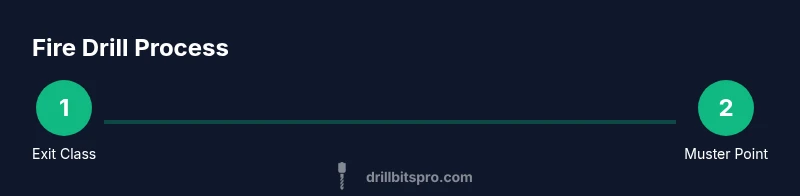
In a school fire drill, you will calmly exit your classroom, follow the posted evacuation routes, assemble at your designated muster point, and wait for instructions before returning inside. Before starting, know your classroom's exit route, account for students, and stay quiet to let staff coordinate. Drill safety is everyone's responsibility.
Why fire drills matter in schools
Fire drills are essential safety procedures designed to mimic real emergencies while keeping students and staff safe. They train everyone to respond quickly, calmly, and predictably under pressure. What to do in a fire drill at school should feel familiar, not frantic. According to Drill Bits Pro, clear communication of evacuation routes and designated muster points reduces confusion and speeds up the process while maintaining order. In most schools, drills occur monthly or quarterly, depending on district policy, and they involve teachers, administrators, and support staff working together to supervise students. The core purpose is not to scare students but to teach practical, repeatable actions: move promptly to the nearest exit, stay low if there is smoke, and proceed to an outdoor assembly area where roll calls can be taken. The benefits extend beyond safety—regular drills build muscle memory, improve teamwork, and lower the risk of injury during actual emergencies. Students who know what to expect tend to react faster, follow directions more reliably, and feel more secure in risk situations.
Roles and responsibilities during a drill
In a well-run school drill, everyone has a role. Teachers lead their class, ensure desks are clear, and perform a quick roll call once outside. School staff coordinate the overall evacuation, monitor corridors, and guide students with mobility challenges. Administrators supervise the process, document the drill for accountability, and report any issues to keep procedures up to date. Students are expected to listen, follow directions, and stay in line; conversation should be minimized to avoid obstructing announcements. The drill also provides a chance to practice communication, such as repeating instructions or confirming attendance, which helps staff spot missing students quickly. The roles are designed to support safety and speed, and they reinforce teamwork across grade levels. This is why drills emphasize predictable, rehearsed actions rather than ad hoc decisions.
Before the drill: preparation and safety
Preparation is the foundation of a successful drill. Teachers familiarize themselves with the exit routes from each classroom; students review the route cards or posters posted near doors. At the school level, administrators verify muster points, map routes for each grade, and coordinate with local emergency services when necessary. It’s crucial to keep aisles clear, close doors gently, and avoid blocking entryways that could slow evacuation. For students, personal safety means listening for the teacher’s instructions, leaving behind bags and loose objects, and not re-entering the building until cleared. The school's safety culture thrives when drills are scheduled consistently, communication channels are tested, and all participants know where to go and how to get there. When staff model calm, students follow suit, creating a safer, more predictable rhythm for the entire school day.
Starting a drill: alarm, cue words, and initial actions
At the sound of the alarm, stop what you’re doing immediately and listen for instructions. Teachers give a brief, clear cue and guide students to the nearest exit. Do not collect personal belongings; leave the room quietly and keep hands visible to staff. If the primary exit is blocked, follow the alternate route, as indicated on the classroom map. As you move, stay in a single-file line and keep a steady pace—no sprinting or pushing. Reaching the door, check for obstacles and assist anyone who may need help. This initial phase is critical: even a small delay can widen the gap between safety and risk, so practicing smooth, deliberate movements matters.
Evacuation routes and movement
Evacuation routes are designed to be direct and safe. Students should stay to the right (or left, per school policy) and avoid running, which can cause trips or collisions in crowded corridors. Staff monitor intersections, doorways, and stairwells, guiding students and keeping the flow orderly. If smoke is present, crawl low to the ground and cover the nose and mouth with a sleeve or cloth, if safe to do so. Once outside, form a line by grade or class and proceed to the designated muster point. Refrain from blocking sidewalks, and stay out of the building’s exterior doors so others can exit. Clear communication and calm behavior help maintain safety even when the environment is noisy or chaotic.
Accountability: roll calls and headcounts
Outside at the muster point, teachers take roll and verify every student is accounted for. If someone is missing, staff communicate with the office and, if needed, perform a quick search in the last known area. The goal is to provide a quick, accurate snapshot of attendance for emergency responders and school administrators. Successful headcounts depend on pre-assigned roles, clearly labeled rosters, and a routine of repeating names aloud to confirm presence. This process also supports reunification with families after the drill.
Supporting students with special needs and emergencies
Some students may require additional assistance during evacuations. Staff members pair with students who have mobility challenges, sensory sensitivities, or cognitive differences to ensure safe exits. In such cases, practicing with assistive devices, like wheelchairs or hearing aids, helps reduce stress during real events. Schools should have a buddy system and designated safe zones where supervision is continuous while keeping corridors clear. Communication should be patient and consistent, using simple language and visual cues to reinforce instructions. By planning for inclusion, drills become a tool for everyone’s safety, not a source of anxiety.
Debrief and improvement: documenting outcomes
After the drill, staff gather to review what went well and what could be improved. Observations about turnout, timing, and adherence to routes are documented, along with any gaps identified in the muster process. Debriefing supports continuous improvement—adjust routes, update posters, and reinforce training where needed. This reflective practice is essential for maintaining high safety standards and ensuring every student knows how to respond confidently in an actual emergency. The insights gained from each drill help reduce delays and improve overall school readiness. The Drill Bits Pro Team recommends using the debrief results to update drills and keep safety practices current.
Practice tips for classrooms and families
To extend learning beyond the school day, families can practice evacuation plans at home and discuss the importance of fire safety with children. In classrooms, teachers can rehearse small parts of the drill in short, age-appropriate segments, reinforcing the steps through posters, cue cards, and simple routines. Regular, predictable practice builds deep familiarity with the process, so students react instinctively when the alarm sounds. Finally, maintain open lines of communication with parents and guardians, letting them know when drills will occur and how students should prepare.
Authority sources and safety standards
Learning from credible sources helps schools stay aligned with best practices. For formal guidance and standards on fire safety and evacuation, several agencies provide reliable information: OSHA and the U.S. government provide general safety guidelines for schools; the CDC outlines health and safety considerations; FEMA offers emergency management principles that inform school drills; NFPA publishes codes and standards relevant to fire safety. By consulting these sources, schools can tailor drills to local requirements. References: OSHA.gov, CDC.gov, FEMA.gov, NFPA.org.
Tools & Materials
- School evacuation plan and posted exit routes(Know your designated route from every classroom.)
- Muster point map(Outdoor assembly area; assign by grade if possible.)
- Roll call roster(Used by teachers to verify attendance at muster point.)
- Whistle or visual cue signals(Optional for very noisy environments.)
Steps
Estimated time: 5-7 minutes
- 1
Hear alarm and respond
When the alarm sounds, stop current activity and listen for teacher instructions. Move only after a clear cue is given. Do not run or shout, as quick, controlled action reduces confusion and keeps everyone safe.
Tip: Stand still for a moment to identify the safest exit path before moving. - 2
Leave room via the nearest safe exit
Choose the closest safe exit and proceed calmly with your class or group. Close the door softly behind you to limit heat and smoke spread. Avoid blocking doorways or stairs for others behind you.
Tip: If the primary exit is blocked, switch to the pre‑posted alternate route. - 3
Maintain a single-file line and pace
Walk in a straight line with your peers and monitor the line for anyone who falls behind. Keep hands visible and avoid collecting personal belongings. This helps staff quickly spot absentees and keep traffic orderly.
Tip: Hold backpacks against your side to prevent snagging in crowded corridors. - 4
Proceed to the muster point
Move to the designated outdoor assembly area, keeping to the assigned route. Form lines by class or grade and stay quiet to hear instructions clearly from staff.
Tip: Take note of your surroundings so you can report any hazards when you reach the muster point. - 5
Take roll and verify attendance
Teachers conduct a quick roll call to confirm everyone is accounted for. Report missing students to the office immediately so they can organize a search if needed.
Tip: Use a loud, clear name echo to avoid miscounts in noisy environments. - 6
Await clearance before re-entering
Do not re-enter the building until staff declare it safe. Remain with your group and follow any reunification procedures.
Tip: Listen for the all-clear signal and follow the next steps exactly as directed.
Got Questions?
What is the purpose of a fire drill in school?
A fire drill trains students and staff to respond quickly and safely during emergencies, practicing exit routes, assembly, and accountability without panic.
The drill teaches safe, orderly evacuation so everyone knows how to get outside quickly.
Who leads the drill in the classroom?
Teachers lead their class, verify attendance, and report any missing students to the office. Administrators and staff support the overall process.
Teachers guide the class and ensure everyone is accounted for with help from school staff.
What if a student needs assistance during evacuation?
Schools have a buddy system and tailored plans for students with mobility or sensory needs to ensure safe exits.
Support is provided by trained staff to assist everyone safely out of the building.
Can students bring personal items during a drill?
Personal belongings should be left behind to speed evacuation; staff may allow essential items if needed for safety.
Usually you leave bags behind so you can move quickly and safely.
How often are drills conducted?
Drills occur per district policy, often monthly or quarterly, to reinforce safe habits and preparedness.
Drills happen on a regular schedule so students stay ready.
What happens after the drill?
Staff review the drill, document outcomes, and adjust plans as needed to improve future performance.
Afterward there’s a quick debrief to make the next drill better.
Where can parents find drill information?
Schools usually notify families of drill dates and expectations through newsletters or the school app.
Parents are informed about drill timings and safety expectations.
Watch Video
Top Takeaways
- Know your exit route and muster point.
- Follow staff directions quickly and calmly.
- Check attendance at the muster point.
- Return only after a clear all-clear signal.