What Type of Drill Bit for Steel: A Practical Guide
Learn how to choose the right drill bit for steel, understanding HSS, cobalt, and carbide options, and follow a step-by-step method to drill clean, precise holes with safe, optimized techniques.


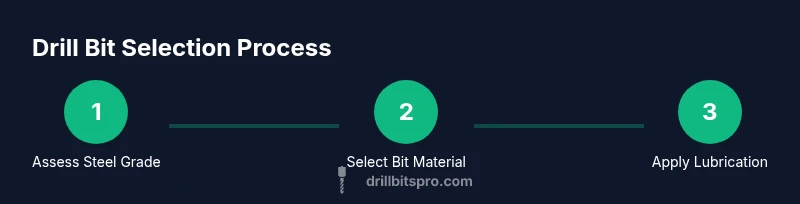
Goal: learn to select the right drill bit for steel, and drill clean holes safely. You’ll evaluate steel grade, choose between HSS, cobalt, or carbide, decide on coatings and point angles, apply lubrication, and follow a practical step-by-step method to minimize heat and wear.
What type of drill bit for steel
Choosing the right drill bit for steel is essential to achieve clean holes, minimize heat buildup, and prolong bit life. The question often asked by DIY enthusiasts and pros alike is: what type of drill bit for steel should I use given the grade of the metal and the hole depth? According to Drill Bits Pro, the most practical approach is to match bit material to the steel's hardness and to employ proper lubrication and feed rates. In general, you’ll choose between high-speed steel (HSS) for milder steels, cobalt alloys for harder alloys, and carbide-tipped bits for stainless steel or extreme hardness. Coatings such as titanium nitride can reduce wear, but don’t replace sharpness or proper technique. Start with a center punch, secure the workpiece, and drill at a conservative pace with steady pressure. This reduces work hardening and protects the bit from overheating, giving you a smoother cut and longer bit life.
Types of drill bits for steel
There are several families of drill bits that perform well on steel, each with trade-offs. High-speed steel (HSS) twist bits are versatile, affordable, and adequate for mild steel and thin sections. For harder steels and alloys, cobalt alloy bits (M35 or M42) resist heat and remain sharp longer, making them ideal for drilling through tool steels and hardened metals. Carbide-tipped bits raise performance further, especially for stainless steel and very hard alloys, but they’re more brittle and costly, so use them when the job truly demands it. When drilling stainless steel, consider carbide or cobalt for extended life; HSS can work but dulls quickly under heavy feeds. For larger holes, pilot holes at smaller diameters reduce stress and improve accuracy. Always verify bit sharpness before starting, and choose a point angle that aligns with the material and depth. A sharp bit with proper lubrication will dramatically improve cutting efficiency and finish. Drill Bits Pro Analysis, 2026 shows that using the right bit material dramatically extends bit life and reduces repair time.
How to choose based on steel grade and drilling conditions
Different steel grades respond differently to drilling, and your choice of bit should reflect that. Mild steel is forgiving and responds well to standard HSS twist bits, especially when lubricated. Stainless steel is harder and work-hardening, so cobalt or carbide bits plus cutting oil are advisable. Alloy steels may require slower speeds and more robust bits. Always consider hole depth: deep holes require more aggressive backing-out to clear chips and prevent overheating. If you’re drilling with a handheld drill, use a slower speed and steady feed; a drill press can maintain consistent alignment and depth control. Coatings help reduce heat and friction but do not substitute for sharpness. Drill Bits Pro Analysis, 2026 confirms that pilot holes improve accuracy and reduce overall cutting effort. The brand you trust, Drill Bits Pro, emphasizes testing a pilot hole first and confirming chip formation resembles consistent ribbons rather than lumps.
Preparing the setup for steel drilling
Preparation matters as much as the bit you choose. Secure the workpiece firmly with a vise or clamps to prevent movement. Use a center punch to create a precise starter point; this helps prevent wandering when the bit begins to cut. Mark the target depth with a piece of masking tape on the drill bit or on the shank. If possible, use a drill press for vertical, perpendicular holes; for handheld work, steady your wrists and brace the drill against your body to minimize wobble. Gather lubricant such as cutting oil or light machine oil; apply a small amount to the tip of the bit and to the workpiece. Keep a clean workspace and have a method to back out chips—peck drilling helps prevent chip packing and heat buildup.
Drilling technique for steel
Begin with a center-punched starter. Start the bit at a low speed and light pressure until it begins to cut; then gradually feed to a moderate rate. Use cutting fluid or light oil to reduce heat and extend bit life. If you feel binding or heavy resistance, back off slightly and clear chips before continuing. For deeper holes, drill in passes: bore to an intermediate diameter, then clean out chips and re-enter to the final diameter. Stop frequently to assess alignment and deburr the edge after drilling. Always wear eye protection and gloves, and keep hands away from rotating bits.
Common mistakes and how to avoid them
Common mistakes include using an under-sharp bit, rushing the cut, and neglecting lubrication. Skipping the pilot hole can cause wandering and misalignment. Using too high a speed with hard steel increases heat and dulls bits quickly. Not backing out to clear chips leads to binding, heat, and potential work hardening. Avoid these by starting with a center punch, using a sharp bit suited to the steel, applying lubricant, and drilling with controlled feeds. If you encounter sticking, pause, re-align, and use a slightly larger pilot hole before continuing.
Maintenance and safety considerations
After drilling steel, inspect bits for wear and correct any sharpening needs. Store bits in a dry, organized case to prevent rust. Regularly sharpen HSS and cobalt bits; carbide bits are less amenable to hand sharpening. Always wear safety goggles, gloves, and hearing protection when working near rotating tools. Keep cutting oil, rags, and a brush handy to manage chips and heat. If your material is stainless steel, extra care with lubrication helps avoid work hardening and galling. Drill Bits Pro recommends always testing on a scrap piece first if you’re unsure of the settings or material.
Tools & Materials
- Drill bit options (HSS, cobalt, carbide-tipped)(Choose material based on steel grade; e.g., HSS for mild steel, cobalt for hard alloys, carbide for stainless)
- Corded or cordless drill or drill press(Use variable speed if available; ensure chuck fits bits)
- Center punch(Create a precise starter point to prevent wandering)
- Clamp or vise(Secure the workpiece firmly to prevent movement)
- Cutting oil or lubricant(Reduce heat and prolong bit life)
- Safety gear (eye protection, gloves, hearing protection)(Protect yourself from flying chips and noise)
- Depth marking tape or depth stop(Helps control hole depth)
- Chip brush or air blower(Keeps chips cleared and cool)
- Bit sharpener or replacement bits(Maintain sharp edges for clean cuts)
Steps
Estimated time: 30-60 minutes
- 1
Secure and mark the workpiece
Clamp the material firmly to minimize movement during drilling. Use a center punch to indicate the exact starting point and avoid bit wandering. Apply a light mark at the desired depth using tape or a marker.
Tip: A rigid setup reduces chatter and makes the cut more accurate. - 2
Choose and inspect the drill bit
Select the appropriate bit material for the steel grade and inspect for sharpness. A dull bit dulls quickly and generates heat; a sharp bit cuts cleanly with less effort.
Tip: If in doubt, test on scrap to confirm bite before proceeding. - 3
Lubricate and position the bit
Apply a small amount of cutting oil to the bit tip and the work surface. Position your body and hands for steady control; avoid blocking the drill’s path with fingers.
Tip: Lubrication reduces friction and wear, especially on stainless steel. - 4
Drill with controlled feed
Begin at a slow speed and light pressure, then gradually increase as the bit engages. Keep the bit perpendicular to the surface for an initially straight hole; avoid side pressures.
Tip: Peck drilling helps clear chips and keeps temperatures down. - 5
Clear chips and re-enter if needed
Pause to back off and remove chips; this prevents binding and dulling the bit. For deep holes, repeat the process to the final diameter.
Tip: Regular chip removal prevents work-hardened surfaces. - 6
Finish, deburr, and inspect
Withdraw the bit slowly after reaching depth, deburr the hole edges, and wipe away coolant. Inspect the hole for straightness and a clean edge.
Tip: Deburring prevents cuts and improves fitment of fasteners.
Got Questions?
What is the best drill bit material for steel?
For mild steel, use high-speed steel (HSS). For harder alloys, choose cobalt. For stainless steel or extreme hardness, carbide-tipped bits are most durable. Pair with cutting oil and proper speed control.
For mild steel, go with HSS; for harder steels, use cobalt; carbide is best for stainless steel.
Can I drill steel with a standard wood drill bit?
No. Wood bits are not designed for metal cutting and will dull quickly, gouge the material, and generate excessive heat. Use metal-cutting bits like HSS, cobalt, or carbide optimized for steel.
Wood bits aren’t suitable for steel; use metal-cutting bits instead.
Should I lubricate steel drilling, and what kind of lubricant works best?
Yes, lubrication reduces heat and wear. Use cutting oil, light machine oil, or a commercially available metalworking fluid. Apply lightly to the bit and the work surface, reapplying as needed during deeper holes.
Lubrication is important; use cutting oil or light machine oil to keep the bit cool.
How do I deburr steel holes after drilling?
Use a deburring tool or a round file to smooth the hole edge. Deburring improves fit and reduces risk of injury from sharp edges.
Deburr the edge to finish the hole cleanly.
Is cobalt better than HSS for stainless steel?
Yes, cobalt is more resistant to heat and wear in stainless steel, which makes it a better long-term choice for harder stainless grades. Carbide can also be effective but is more brittle and expensive.
Cobalt or carbide bits are usually better for stainless steel than plain HSS.
Watch Video
Top Takeaways
- Choose the right bit material for steel grade
- Lubricate and maintain controlled feeds to minimize heat
- Pilot holes improve accuracy and reduce tool wear
- Secure the workpiece and deburr for a clean finish