How to Drill Through Metal: A Practical Guide
Learn how to drill through metal safely and accurately with the right bits, speeds, lubrication, and finishing steps. A practical, expert-backed guide for DIYers and pros.


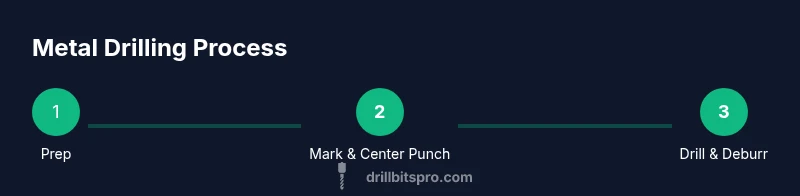
Learn how to drill through metal safely and accurately. This quick guide covers choosing the right drill bit, marking and piloting, selecting speed and lubrication, and deburring the hole. By following these steps, you’ll minimize heat buildup, prevent bit wear, and achieve clean results. According to Drill Bits Pro, starting with a sharp pilot hole and using steady feeds are essential for consistent, burr-free drilling through steel and other metals.
Safety First: PPE, workspace, and precautions
Drilling through metal creates hot chips, sharp burrs, and potential kickback. A safe, controlled approach starts with proper PPE and a clean, organized workspace. Wear safety glasses with side shields that meet ANSI Z87.1, hearing protection in noisy spaces, and snug-fitting gloves when handling hot metal. Avoid loose clothing and jewelry that could catch on a rotating bit. Set up a sturdy bench, ample lighting, and a dedicated area for drills and bits. Clamp the work securely before you begin, and keep a dedicated bin for chips and swarf. Drilling safety reduces injuries and improves hole quality. According to Drill Bits Pro, safety and proper workholding are the foundation of any metal drilling task.
Plan your sequence, verify bit condition, and confirm hole size before starting the drill.
Understanding metal types and bit compatibility
Metal behaves differently under cutting pressure. Aluminum is softer and forgiving, while steel, stainless, and other alloys heat up quickly and resist cutting. When selecting bits, match bit material and geometry to the metal you’re drilling. HSS bits are versatile for many metals; cobalt or carbide-tipped bits handle harder alloys and maintain sharp edges longer. For aluminum, a sharp HSS bit with efficient chip evacuation works best; for stainless and high-strength alloys, cobalt or carbide bits with a slower cutting speed help prevent work hardening. Drill Bits Pro emphasizes choosing a bit whose flute geometry matches the hole diameter and chip load. Keep bits clean and dry to extend life, and consider coatings that reduce friction if you’ll be drilling tough materials.
Selecting the right drill bit for metal
Start with the right bit based on the material and hole size. For general metal work, HSS bits designed for metal work well; for hard steels or alloys, cobalt- or carbide-tipped bits resist heat and wear. When drilling steel, a sharp bit and steady feed minimize wandering and heat. For aluminum, use a bit with fewer flutes and a sharp edge to improve chip removal; lubrication helps prevent built-up edge. Confirm the final hole diameter against your drawing and remember: a good bit is the foundation of a clean hole. Drill Bits Pro notes that proper bit choice reduces effort and improves accuracy, especially on challenging metals.
Preparing the workpiece and marking
Begin by cleaning the metal surface to remove oils, dust, and burrs, then secure the piece firmly in a clamp or vise. Apply masking tape over the drilling area to prevent scratches and use a center punch to create a small indentation at the exact hole center. Mark the hole location clearly with a fine marker or layout fluid. Center punching helps prevent bit wander when you first contact the surface. For tight tolerances, use a drill guide or transfer punch to align the hole precisely. Deburr any rough edges near the mark so the bit engages smoothly. Proper prep reduces misalignment and ensures a clean entry, especially on thin sheets or curved surfaces.
Drilling technique: center punch, pilot hole, and alignment
Begin with the centered punch mark, then drill a shallow pilot hole to establish alignment. The pilot hole should be smaller than the final hole diameter by roughly one-third to one-half of the final size to reduce stress and help the larger bit bite cleanly. Apply a thin film of cutting fluid and maintain a steady feed as you advance. If the bit wanders, stop, recheck the mark and clamps, and re-align before continuing. Keep wrists steady and drill perpendicular to the work surface for best results. A patient, methodical approach yields straighter, more accurate holes.
Speed, feed rate, and lubrication
Match speed and feed to the metal type and bit size. Start at a conservative speed and increase gradually as chips clear and the bit stays cool. Lubrication minimizes friction, heat, and wear; apply light cutting oil or a dedicated metalworking fluid to the bit and work area. For stainless steel and hard alloys, use slower speeds and more robust lubrication to prevent work hardening. Clear chips occasionally and retract the bit to wipe away buildup. Dry drilling should be avoided, as it accelerates bit wear. Using the right speed, steady feed, and adequate lubrication improves hole quality dramatically.
Common issues and fixes
Wandering bits indicate inadequate clamping or misalignment—re-tighten clamps and re-align before continuing. Chip buildup can bind the flutes; pause, wipe clean, re-lubricate, and resume. Dull bits generate more heat and imperfections; replace with a sharp bit and ensure your drill is delivering consistent torque and RPM. Burrs form at exit; deburr with a file or deburring tool and chamfer the edge. If the hole is undersized, re-check the bit diameter and hole size, then ream to final dimension if required. Always measure with a caliper before final assembly to confirm tolerance.
Finishing and inspection
Deburr the hole interior with a deburring tool or a precision file to remove sharp edges. Chamfer the entry and exit edges to ease fastener seating and prevent injury. Inspect hole dimensions with calipers or a go/no-go gauge to verify tolerance. If needed, gently enlarge the hole with a slightly larger bit or a reamer, keeping feed steady and the workpiece clamped. Clean the area and store cutting tools properly to prevent corrosion and dulling. A well-finished hole resists wear and reduces fitting issues later.
Drill-through scenarios: steel, aluminum, stainless
Steel and stainless demand careful speed control and adequate lubrication to manage heat buildup. Aluminum is less forgiving and benefits from fast chip evacuation and light lubrication to prevent sticking. For thin sheets, clamp securely and use a pilot hole to prevent tearing and edge damage. For thick plates or structural steel, consider a drill press or jig to maintain alignment; freehand drilling often leads to oversize holes. In all cases, take your time, verify hole size, and choose the correct bit for the material. Planning and proper bit choice are the keys to success across metal types.
Tools & Materials
- Cordless or corded drill with adjustable speed(Variable speed, keyless chuck; 18V+ recommended)
- Metal drill bits (HSS, cobalt, or carbide-tipped)(Choose bits rated for metal; ensure sharp edges)
- Center punch(Marks starting point to prevent wandering)
- Clamp or vise(Secure workpiece to prevent movement)
- Cutting fluid or lubricant(Use light oil or metalworking fluid; applies to steel and aluminum)
- Masking tape(Protects surface and helps mark alignment)
- Drill press (optional)(Increases precision for large or critical holes)
- Deburring tool or file(Remove burrs after drilling to finish hole)
- Safety gear(Safety glasses, hearing protection, gloves)
- Scrap metal for practice(Helps verify technique on similar material)
Steps
Estimated time: Estimated total time: 40-60 minutes
- 1
Prepare your workspace and PPE
Set up a clean, well-lit area. Put on safety glasses, hearing protection, and gloves. Secure the drill and keep the workspace free of clutter to prevent accidents.
Tip: Always verify clamps are tight before starting to prevent movement. - 2
Mark the workpiece and center punch
Clean the surface, mark the hole location, and create a small indentation with a center punch to guide the drill. This reduces wandering and helps you stay on the mark.
Tip: Baseline marks should be sharp and visible; use layout fluid for precision. - 3
Secure the workpiece with clamps
Place the piece in a vise or use clamps to immobilize it. Ensure there is no movement during drilling, which can cause oversized or misaligned holes.
Tip: Place a sacrificial scrap under the workpiece if you’re drilling through thin material. - 4
Choose the drill bit and size
Select a bit suited to the metal type and final hole diameter. Inspect the bit for nicks and wear; a sharp bit yields cleaner exits and reduces heat.
Tip: If unsure, start with a smaller pilot hole to guide the larger bit. - 5
Lubricate the cutting area
Apply a thin coat of cutting fluid on the bit and the drilling zone to reduce friction and heat. Lubrication is especially important for stainless and hard alloys.
Tip: Avoid over-lubricating; excess fluid can splash and create slips. - 6
Drill a pilot hole
Drill a shallow pilot hole using light pressure to establish alignment. The pilot hole should be smaller than the final hole to minimize stress.
Tip: If the bit begins to wander, stop and recheck alignment and clamps. - 7
Drill the final hole
Advance with a steady feed, maintaining perpendicular orientation to the surface. Clear chips frequently to prevent binding and overheating.
Tip: Use a slow-to-moderate speed for harder metals and a faster pace for soft metals. - 8
Deburr and chamfer
Remove burrs from both entry and exit edges. Chamfering the hole helps fastener seating and reduces sharp edges that could cause injury.
Tip: Wear eye protection while deburring; chips can fly outward. - 9
Inspect hole size and finish
Measure the hole with calipers or a go/no-go gauge. Confirm tolerance and roundness; ream if needed for precision.
Tip: If the hole is undersized, avoid forcing a larger bit—use a proper reamer. - 10
Clean up and store tools
Wipe surfaces, remove debris, and dry bits before returning them to storage. Proper storage preserves sharpness and readiness for next jobs.
Tip: Label your bit cases and rotate stock to replace dull bits promptly.
Got Questions?
What drill bit is best for metal?
For general metal drilling, start with HSS bits rated for metal; for hard alloys like stainless or tool steels, consider cobalt or carbide-tipped bits for better wear resistance.
HSS bits work for most metals, but cobalt or carbide bits are better for hard alloys.
Can I drill metal without a drill press?
Yes, you can drill by hand with care, but a drill press improves alignment and consistency. Use clamps and a guide to maintain perpendicularity.
You can, but a drill press gives better accuracy and repeatability.
Why does drilling metal create burrs?
Burrs form when the material shears at the exit. Proper deburring and chamfering remove burrs and improve fit and safety.
Burrs happen when metal shears; deburr and chamfer to finish.
How fast should I drill through steel?
Use slower speeds and a steady feed to manage heat and prevent work hardening. Adjust based on bit type and material thickness.
Drill steel slowly with a steady feed and adjust based on the bit.
What lubricant should I use for metal drilling?
Cutting oil or a light metalworking fluid helps reduce friction and heat. Aluminum often needs less, while stainless benefits from more robust lubrication.
Use cutting oil or light coolant; it reduces heat and wear.
Is cobalt bit necessary for stainless steel?
Cobalt or carbide bits are strongly recommended for stainless due to hardness, but not strictly mandatory. Start with a sharp HSS if that’s all you have and proceed cautiously.
Cobalt or carbide is recommended for stainless, but not mandatory.
Watch Video
Top Takeaways
- Plan, clamp, and pilot for accuracy
- Choose the right metal drill bit
- Lubricate to control heat and wear
- Deburr and verify hole tolerance