What You Need to Drill into Concrete: A Practical Guide
Learn the essential tools, bits, and best practices for drilling into concrete safely and effectively. This guide covers hammer drills, SDS options, bit types, safety gear, and a step-by-step approach for reliable results in 2026.


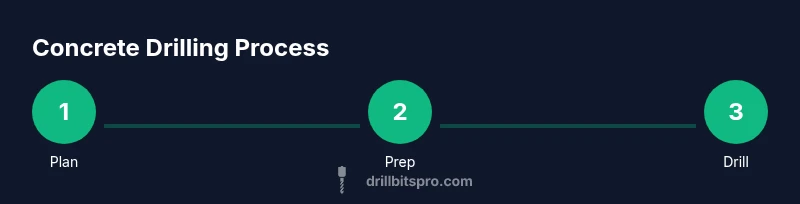
To drill into concrete, you need the right drill (hammer or rotary hammer) and a carbide-tipped masonry bit, plus dust control and safety gear. Start by marking the hole, select the proper bit size, and drill a pilot hole if needed. Use steady pressure, keep the bit perpendicular, and apply intermittent cooling to prevent overheating. Finish with a clean hole and remove debris.
Why drilling into concrete requires careful selection of tools and technique
Concrete is one of the toughest materials you’ll drill through, and success starts with choosing the right tool and method. According to Drill Bits Pro, the correct combination of drill type, bit, and technique significantly reduces wear on cutting edges and minimizes dust generation. A common mistake is using a standard wood drill for concrete; the bit quickly dulls and the hole may wander. In this section we’ll lay out the core reasons to invest in proper equipment and a deliberate approach: material hardness and abrasiveness wear down bits, misalignment causes rough holes and extra passes, and improper cooling creates overheating that shortens bit life. By understanding these factors, you’ll get clean, accurate holes with less effort. Later sections cover exactly which drills and bits to choose, how to set up your workspace, and the step-by-step technique that yields reliable results in 2026.
Aftercare and planning also matter: choosing the right setup reduces wear and improves accuracy, saving time on future projects. Drill Bits Pro Analysis, 2026 notes that proper tool choices extend bit life and minimize rework, especially when drilling through reinforced concrete. By starting with a solid plan, you’ll achieve professional results with less frustration and safer work.
In practice, this means selecting a tool that can deliver consistent impact without stalling, pairing it with a bit designed for masonry, and maintaining control throughout the cut. A well-prepared workspace, proper PPE, and controlled feeding are as important as the bit itself. The takeaways are simple: the right tool, the right bit, and a deliberate technique translate into better holes, less dust, and a safer job site in 2026.
Tools & Materials
- Hammer drill or rotary hammer(Choose a model with a hammering action suitable for masonry work; SDS- or compatible chuck is preferred for large bits.)
- Carbide-tipped masonry bits(Standard sizes cover most projects; carbide tips resist wear on concrete and rebar.)
- Dust extraction system or shop vacuum(Attach near the work area to capture dust at the source.)
- Safety glasses or goggles(Protect eyes from dust and chips.)
- Dust mask or respirator(Wear a respirator for fine silica dust; ensure proper filtration.)
- Hearing protection(Use earplugs or earmuffs in noisy drilling environments.)
- Center punch or marker(Mark precise hole locations to prevent wandering.)
- Measuring tape(Accurately measure depth and spacing.)
- Clamp or vise to secure the workpiece(Prevents movement during drilling.)
- Water spray bottle or coolant(Cool the bit and suppress dust when permitted; avoid water on live electrical equipment.)
Steps
Estimated time: 45-60 minutes
- 1
Identify the hole location and secure the workpiece
Mark the exact spot for the hole using a marker or punch. Secure the workpiece with clamps or a vise to prevent any movement during drilling. This ensures the final hole is precisely where you intend and reduces bit wandering.
Tip: Double-check measurements before you drill to avoid rework. - 2
Select the drill and bit and prepare the tool
Choose a hammer drill or rotary hammer with a carbide-tipped masonry bit. Attach a dust extraction system and verify that the drill bit is properly seated and the chuck is secure. Setting up correctly prevents bit slippage and ensures consistent cutting.
Tip: Run the drill briefly without pressure to check wobble before touching the surface. - 3
Mark a guide and start with a pilot hole if needed
Create a small guide hole or center mark. For larger holes, start with a smaller pilot hole to guide the final bit and reduce wandering. A pilot hole helps align the larger bit and cuts down cutting resistance.
Tip: Center-punch the mark for maximum accuracy. - 4
Drill the main hole with steady, perpendicular pressure
Begin drilling with a deliberate, steady feed. Keep the drill perpendicular to the surface to ensure a straight hole and minimize widening. Use short, controlled bursts and pause to cool if the bit heats up.
Tip: Avoid pushing too hard; let the bit do the work with consistent speed. - 5
Cool and clean as you go
If the hole is deep or the bit becomes hot, pause to cool and clear debris from the hole with the vacuum. Water cooling can be used if permitted, but never spray water near live electrical outlets.
Tip: Wipe the bit clean between passes to maintain sharpness. - 6
Finish, deburr, and inspect
Complete the hole to the required depth, deburr any rough edges, and remove dust from the hole. Inspect the hole for alignment and cleanliness before applying anchors or hardware.
Tip: Use a deburring tool or a final pass with a small bit to smooth edges.
Got Questions?
What is the best drill for concrete?
A hammer drill or rotary hammer with a carbide-tipped masonry bit is best for most concrete projects. For very large holes, a core bit with appropriate equipment may be needed.
The best drill for concrete is a hammer or rotary hammer with a masonry bit, especially for larger holes you might use a core bit.
Should I use a pilot hole when drilling into concrete?
For many jobs, starting with a smaller pilot hole helps guide the larger bit and reduces wandering. In some cases, you can skip this step for small holes, but a pilot often improves accuracy.
Starting with a pilot hole usually helps you guide the larger bit and keeps the hole aligned.
What’s the difference between masonry bits and core bits?
Masonry bits are carbide-tipped for standard holes and fast cutting in concrete. Core bits remove a larger slug and are used for bigger holes, typically with a rotary hammer and water cooling.
Masonry bits cut small to medium holes; core bits handle larger holes but require special equipment.
Can I drill concrete without water?
Dry drilling is possible but creates more dust and heat. Water cooling or misting reduces dust and helps extend bit life when allowed.
You can drill dry, but water cooling is better for dust control and bit life if the setup allows.
How do I prevent the drill from wandering?
Clamp the workpiece, center-mark the spot, and start with a small guide hole. Keep the drill perpendicular and apply steady pressure.
Clamp it, mark the spot, and keep the drill straight for best results.
How long does a carbide-tipped masonry bit last?
Bit life depends on the concrete mix and usage. If the bit wears down or dulls quickly, replace it rather than forcing the drill.
Bit life varies; replace dull bits to maintain cutting performance.
Watch Video
Top Takeaways
- Mark holes accurately and secure material.
- Use the right masonry bit and drill type.
- Drill perpendicular and avoid forcing the bit.
- Keep the bit cool and clean for best results.