How to Remove a Stuck Drill Bit: Safe Extraction Techniques
Learn proven methods to safely remove a stuck drill bit, with step-by-step techniques, safety tips, and prevention strategies from Drill Bits Pro. Understand causes, gear, and best practices to prevent future jams.


Goal: safely remove a stuck drill bit without damaging the workpiece or tool. Start by unplugging or removing the battery, then secure the workpiece and assess the binding. Choose a method based on material and bit type, beginning with gentle extraction (backing out, tapping, or locking pliers) before applying more force if needed.
Why drill bits get stuck
A stuck drill bit is a common headache for DIYers and professionals alike. According to Drill Bits Pro, most jams happen when the bit binds in the workpiece due to resin, burrs, or excessive pressure, or when the chuck grips poorly on a dull or damaged bit. Recognizing the immediate cause is the first step toward a safe extraction. In metal, wood, and masonry, different factors—like dust, overheating, or corrosion—can lock a bit in place. By identifying the binding type, you can choose the least aggressive method that will free the bit without twisting the chuck or damaging the material. This section outlines typical scenarios and what they imply for your approach.
Common situations include a bit binding from resin in wood, a dull or nicked cutting edge seizing in steel, or a rusted chuck gripping a round shank. Each scenario suggests a slightly different tactic: wood often tolerates backing out with back-and-forth micro-movements; metal may require lubrication and gentle rocking; masonry often needs a controlled backward pull combined with lubrication. Remember, the goal is to minimize damage while freeing the bit.
Safety first: gear and precautions
Before you attempt any extraction, put on proper safety gear: safety glasses, cut-resistant gloves, and hearing protection if you’re running a powered drill. Ensure the drill is unplugged or the battery removed, and the workpiece is securely clamped. Clear the area of bystanders and place a stable scrap board or bench vise to prevent movement. If you’re working with metal, check for sharp burrs and hot surfaces after drilling. These precautions reduce the risk of injury and damage during the extraction process. The aim is to create a controlled environment where you can apply steady, deliberate force without slipping.
Diagnosing the problem
Start by confirming whether the bit is truly stuck in the workpiece or jammed in the chuck. Visually inspect for chips, burrs, or resin that holds the bit in place. Try a very light backward rotation with the drill in reverse (if the chuck is designed for it and the bit isn’t seized); if the bit resists, do not force it. Check the chuck jaws: are they evenly gripping the shank, or is there wear that allows slippage? If you can see the bit tip is dull or damaged, plan to replace it after extraction. Understanding the binding type (workpiece-resin, dull bit, or chuck damage) guides your subsequent steps and reduces the chance of snapping the bit or twisting the drill.
Gentle extraction techniques you should try first
Begin with the least aggressive methods. Back the bit out very slightly to relieve binding, then return to drilling to loosen chips and heat. Apply a small amount of penetrating oil or cutting lubricant around the shank and chuck; wait 5–10 minutes to allow penetration. Gently tap the chuck with a plastic or rubber mallet to encourage micro-movements that loosen the grip, being careful not to strike the drill itself. If the bit is a loose fit in a worn chuck, avoid using pliers directly on the bit’s cutting edge—grip the shank, not the teeth, to prevent damage. Stop if you notice any cracking, spiraling, or excessive heat, and reassess.
Tools and methods for stubborn bits
If gentle methods fail, broaden your toolkit. Apply penetrating oil, give the area a brief heat boost with a heat gun (not a torch) to expand metal slightly, then reattempt backward motion. Use locking pliers to grip the shank firmly and apply a controlled backward twist; do not clamp the cutting edges. For stubborn cases, consider a drill bit extractor or removing the chuck to access the bit directly. Always rotate in the reverse direction if the tool supports it and you’re confident in your grip. If you’re working in masonry, a small amount of light tapping with a punch can help break free stubborn dust and chips without shattering the bit.
Step-by-step extraction workflow you’ll follow
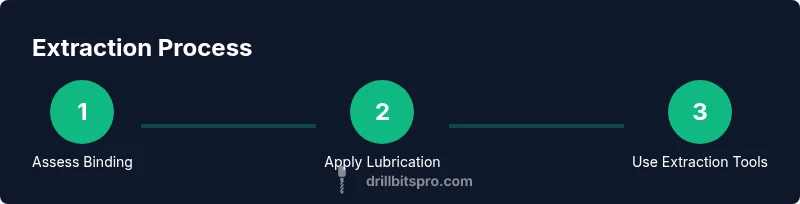
This section provides a practical workflow to guide your actions from start to finish. First, ensure safety: unplug the drill and secure the workpiece. Next, inspect the binding type and try gentle backing out with micro-movements. Then, apply penetrating oil and let it sit. If the bit remains stuck, use a locking plier to grab the shank and apply a measured backward force. If resistance persists, employ a bit extractor or chuck removal technique with careful threading. Finally, clean the chuck, inspect for wear, and decide whether to replace the bit or chuck.
Throughout, maintain a calm approach and avoid brute force. Quick, forceful pulls often worsen damage. A methodical sequence protects both your tool and workpiece.
Aftercare and prevention to avoid future jams
After successful removal, clean the chuck and hole, remove any debris, and wipe away excess lubricant. Inspect the bit for wear or rounding and replace if necessary. Use proper drill speeds, feed rates, and lubrication to reduce heat and chip buildup in future work. Store bits in a dry, organized rack to prevent corrosion. Regularly check chuck alignment and tighten to the manufacturer’s specification. Preventive care greatly reduces the likelihood of future stuck bits and extends tool life.
When to call a professional for stuck drill bits
If the bit is deeply embedded, the chuck is damaged, or you hear grinding or excessive scraping during attempts, it is wise to pause and consult a professional. For metal, professional drills may require specialized extraction tools that apply controlled torque without damaging the spindle. Do not attempt dangerous techniques that could compromise machine safety or void warranties. A trained technician can safely remove the bit and assess potential damage to the drill and workpiece.
Tools & Materials
- Locking pliers (vise-grips)(Use to firmly grip the bit shank without touching the cutting edges.)
- Hammer(Light taps to loosen binds; avoid heavy blows on the bit.)
- Punch or drift(Tap around the chuck or shank to encourage micro-movements.)
- Penetrating oil or lubricant(Apply around the chuck; allow 5–10 minutes to penetrate rust or chips.)
- Allen/Hex key set or chuck key(Needed to back out or adjust the bit in certain chuck designs.)
- Safety gear (safety glasses, gloves)(Eye protection and hand protection are essential.)
- Mallet (rubber) or soft-faced hammer(Useful for gentle, controlled taps without marring surfaces.)
Steps
Estimated time: 30-60 minutes
- 1
Disconnect power and secure the workpiece
Unplug the drill or remove the battery, then clamp the workpiece to prevent movement. This is essential to avoid spin or kickback that could cause injury. Confirm the drill cannot be operated while you work.
Tip: Always start with safety first; a secure setup prevents accidents. - 2
Inspect the binding and back out slightly
Look for chips, dust, or burrs that indicate binding. Gently back the bit out 1–2 millimeters with a micro-rotation, then retreat to relieve pressure. Do not force the bit if it resists.
Tip: Small, gradual movements reduce the risk of breaking the bit or spindle. - 3
Apply penetrating oil and wait
Spray or apply the lubricant around the shank and chuck. Let it sit for 5–10 minutes to penetrate rust or debris. Avoid over-application that could create a slippery surface.
Tip: Penetration time is your friend; patience prevents damage. - 4
Tap the chuck to loosen grip
With a plastic or rubber mallet, deliver light taps to the chuck to encourage micro-movements. Do not strike the cutting edges. Reassess your grip and attempt a gentle back-out after each tap.
Tip: Taps should be firm but controlled to avoid bending the spindle. - 5
Grip the shank with locking pliers
Clamp the shank (not the cutting teeth) and apply a slow, reverse torque if the drill supports it. If resistance remains, stop and reassess. Do not twist beyond the tool’s design limits.
Tip: A steady, slow pull is safer than a quick yank. - 6
Consider a bit extractor or chuck removal
If the bit still won’t budge, use a dedicated extractor tool or disengage the chuck to access the bit directly. Follow manufacturer guidance for your drill model. Avoid prying with metal tools that could damage the spindle.
Tip: Extraction tools are designed to deliver controlled force without damaging components. - 7
Clean and inspect after removal
Remove debris from the chuck and bit shank. Inspect for wear, cracks, or burrs. If the bit shows damage, replace the bit; if the chuck shows wear, assess whether a service is needed.
Tip: Early inspection helps prevent future jams. - 8
Test run and prevention setup
Reassemble, test the drill at light speed, and ensure smooth operation. Implement prevention steps such as proper lubrication, correct speeds, and secure clamping during future jobs.
Tip: Prevention beats removal—set up for success next time.
Got Questions?
What should I do first when a drill bit gets stuck?
Unplug the drill, secure the workpiece, and assess the binding. Then choose a gentle extraction approach before applying force.
First unplug the drill, secure the workpiece, and assess the binding before trying to move the bit.
Can I use locking pliers on a stuck drill bit?
Yes, to grip the shank firmly. Avoid gripping the cutting edges, and apply steady, backward torque only if your drill supports reverse operation.
Locking pliers can help, but grip the shank and use steady, backward force only if safe.
Is it safe to apply heat to loosen a stuck drill bit?
Heat can help break rust but can also damage bit coatings or the drill. Use a low-heat method briefly and with caution.
Heat can help, but use it cautiously and sparingly to avoid damage.
What if the bit breaks inside the chuck?
Do not panic. Stop drilling, remove power, and carefully extract the remaining piece with pliers or a dedicated extractor—then inspect the chuck.
If the bit breaks, stop, remove power, and carefully extract what you can.
Should I replace the drill bit after removal?
Inspect for dullness or damage. If the tip is dull or chipped, replace the bit; also check the chuck for wear before reusing.
Check the bit for wear and replace it if needed.
How can I prevent stuck bits in the future?
Use proper speed and feed, lubrication, secure clamping, and avoid binding by backing out slightly and re-drilling with controlled strokes.
Maintain appropriate speed, use lubrication, and back out to clear chips to prevent jams.
Watch Video
Top Takeaways
- Stop and secure before acting
- Start with gentle extraction methods
- Lubrication reduces friction and heat
- Assess chuck wear and replace as needed