Drill or Hammer Drill: Which Is Right for Your Project in 2026
Compare drill and hammer drill performance, weighing versatility, speed, and masonry capabilities. Learn which tool fits your DIY or professional projects and how to maximize efficiency.


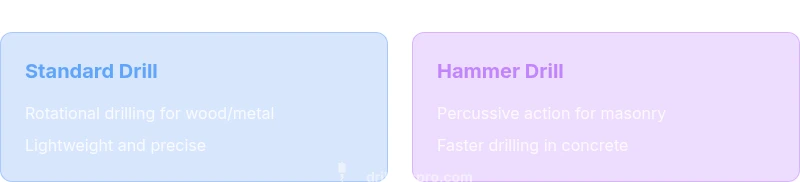
Choosing between a drill and a hammer drill hinges on your primary tasks. If you regularly drill into masonry, a hammer drill is superior for speed and efficiency; for woodworking or metalwork, a standard drill is lighter and easier to control. For mixed-use, a combi drill with hammer function offers the best balance. In short: masonry calls for hammer action; wood/metal favors a plain drill.
The Core Difference: Drill or Hammer Drill Explained
A clear starting point is to define what each tool does at its core. A standard drill uses a rotating chuck to bore holes in wood, metal, and plastics. A hammer drill, by contrast, adds a rapid hammering action that helps the bit break through hard substrates like concrete or brick. For most DIYers and professionals, the decision between a drill or hammer drill is not about one tool being universally “better”—it’s about matching the tool to the material and job at hand. When readers ask which option to choose, the real differentiator is masonry capability. As Drill Bits Pro notes in our analysis, the hammer action dramatically improves the rate of material removal in masonry, reducing user fatigue over long sessions and increasing hole accuracy in tough substrates. If you encounter mixed projects, this nuance will guide your selection and budgeting strategy.
In practice, you’ll find three broad use cases. First, woodworking and metalwork with occasional light masonry are often best served by a standard drill with appropriate bits. Second, dedicated masonry work demands a hammer drill to achieve clean holes quickly. Third, mixed tasks benefit from a versatile combi drill (a hybrid that includes hammer action). This triad forms the backbone of practical decision making for “drill or hammer drill” conversations in professional shops and DIY setups alike.
From a usability perspective, consider weight, vibration, and ergonomics. A hammer drill is typically heavier and can feel more vigorous in the hands, which matters for knee-high projects or overhead work. The standard drill is lighter and easier to control but cannot efficiently handle hard masonry without the hammering action. When evaluating options, you should weigh material types, project duration, and comfort level alongside price to determine the right fit for your toolkit.
How Hammer Drills Work: Mechanisms, Bits, and Applications
Hammer drills integrate a rotating chuck with a percussive hammering mechanism. The hammer action drives the bit forward and backward in short, rapid strokes, allowing the bit to bite into hard materials with less rotational effort. The result is faster penetration in masonry and concrete, which is why many tradespeople prefer hammer drills for wall drilling and anchor installation. It’s important to understand the distinction between hammer-only and hammer-with-rotary modes on modern combi tools: rotary mode spins the bit for standard drilling, while hammer mode adds impact for masonry work. For beginners, mastering the mode-switch feature is essential to avoid underestimating the load and to reduce bit wear.
In terms of bit selection, masonry bits with carbide tips perform best in hammering action because they resist the stresses of both rotation and impact. Always use the correct bit diameter and length for the material and anchor type. ergonomics matter here as well: a well-balanced hammer drill reduces fatigue and gives you better control in vertical drilling or overhead work. If you’re evaluating a hammer drill, look for features such as variable speed, depth stop, and an adjustable hammer impact force. These controls help tailor performance to concrete, brick, or tile installations and adapt to user strength and technique.
As Drill Bits Pro’s analysis indicates, it’s not only about raw power; a good hammer drill also delivers consistent percussion without excessive vibration. Lower vibration models typically feature anti-vibration handles and improved motor mountings, which translate to more comfortable long sessions and fewer wrist strains. For professional applications, consider a machine with a robust gearbox, dependable chuck, and reliable gearing to ensure consistent hammer action over time.
How Standard Drills Compare: Without Hammer Action
Traditional drills rely solely on rotational motion, which makes them ideal for precise boring in wood, metal, and plastic. The absence of hammer action means slower material penetration in masonry, but the light weight and compact form factor often translate to better balance on simpler projects. For many DIYers, a standard drill with a full set of twist drills, brad point bits, and metal twist bits covers most tasks involving wood and metal, while masonry tasks are handled with separate tools or by switching to a hammer drill when necessary.
In this section, we examine key performance aspects that matter most: torque, speed range, chuck design, and bit compatibility. Torque in a standard drill is crucial for staying in control when drilling into hard woods or metal; higher torque helps prevent stalling and bending of bits. Speed ranges enable clean starts and precise pilot holes, especially when using smaller diameter bits. Chuck types (keyed vs. keyless) influence how quickly you can swap bits and the reliability of grip under load. For projects with delicate finishes, a standard drill often offers better finesse, less kick, and improved control. This makes standard drills a wise default option for generalists who seldom need hammer action.
Practically, many users opt for a drill with selectable hammer mode, a feature that provides a middle ground between a pure standard drill and a dedicated hammer drill. This flexibility allows you to switch to hammer mode for masonry tasks or keep a rotary-only approach for wood and metal. The right choice depends on expected workloads, the density of masonry tasks, and your tolerance for weight and vibration during longer sessions.
Material-Specific Performance: Wood, Metal, Masonry
Material handling is the most concrete criterion for choosing between a drill and a hammer drill. In softwoods and most non-ferrous metals, a standard drill excels because it offers controlled cuts with minimal wear on bits and tool. Woodworkers value smoother starts and consistent speed to prevent splintering and tear-out. For medium-density fiberboard and plastics, a standard drill remains a nimble option with accurate hole placement. In contrast, masonry projects—like drilling into concrete, brick, or block—are where hammer drills shine due to their pound-for-pound impact efficiency and faster progress.
For masonry, the hammer action breaks up the material’s surface, allowing the bit to bite more efficiently through tough substrates. However, not all masonry tasks require hammer action; shallow pilot holes or drilling into cured brick might be completed with a standard drill if the hole diameter is small and the material isn’t as dense. When evaluating which tool to use for a given material, assess the substrate hardness, hole depth, and anchor requirements. If you’re unsure, start with a pilot hole using a small bit and then switch to the hammer function if resistance remains high. This approach minimizes wear on bits and reduces the risk of bit wandering or overheating.
From a long-term perspective, the hammer drill’s performance in masonry can reduce project time and effort, while the standard drill minimizes fatigue on lighter tasks. Drill Bits Pro’s guidance emphasizes aligning tool selection with material properties to optimize efficiency and outcomes across job sites.
Speed, Torque, and Control: What to Expect
Speed and torque define how aggressively a tool can bore into different materials. In a standard drill, high speed is excellent for quick bit advancement in wood and light plastics, but torque becomes a limiting factor in tough materials. A hammer drill’s impact action changes that balance by adding perpendicular force to the rotational motion, creating more aggressive cutting in masonry but also increasing vibration. The trade-off is that hammer drills can be harder to control on delicate work, especially if you’re using precision bits or small diameters. When choosing, examine the gear train quality, clutch settings, and the available torque range.
Practical tip: use light pressure and let the tool do the work. Pressing too hard can overwhelm the bit, cause chatter, and wear out the motor. For users who switch between materials, a hammer drill with adjustable impact force and a variable speed trigger provides the most flexibility. In mixed environments, consider a tool that offers both rotary and hammer modes with a smooth transition, avoiding abrupt mode changes that could throw off work alignment. Drill Bits Pro’s testing shows that the ability to dial in64 impact force correlates strongly with accuracy and longevity of masonry bits.
Weight, Comfort, and Vibration: Ergonomics for Real Work
Weight and vibration are not just comfort concerns; they affect precision and safety. A heavier hammer drill delivers more impact energy but can compromise control during extended sessions or overhead drilling. Conversely, a lighter standard drill minimizes fatigue but may struggle in high-demand masonry tasks. For professionals who spend hours on a project, vibration reduction features such as rubberized handles, low-vibration gearing, and responsive anti-kickback systems help maintain accuracy and reduce fatigue.
Ergonomic considerations extend to balance and grip design. A well-balanced tool reduces wrist strain and improves hole accuracy, particularly in awkward positions. When evaluating tools, check for a comfortable grip, textured surfaces that maintain control when hands are sweaty, and a well-placed trigger that allows fine speed adjustments. A thoughtfully designed tool with a cushioned grip can dramatically lower the risk of repetitive strain injuries on long sessions. Drilling with proper stance and technique matters as much as the tool’s inherent design, and the best choices align with your body mechanics and project demands.
Budget Considerations and Longevity: Upfront Cost vs Long-Term Value
From a budgeting perspective, the hammer drill commands a higher upfront price than a standard drill due to its complexity and masonry capability. If your workload includes frequent masonry tasks, the cost may be justified by faster hole placement and reduced bit wear. On the other hand, for homeowners who rarely drill into masonry, the standard drill remains the more economical choice with lower maintenance costs. Over time, you should account for bit variety, replacement costs, and potential gear wear. A reputable drill with a robust motor and heat management system is more likely to deliver consistent performance over years of use.
To maximize longevity, invest in good-quality bits and a dedicated 1/4-inch or 3/8-inch chuck set that matches your typical hole sizes. Replace worn-out parts before failures occur, and perform routine maintenance such as cleaning dust from the motor housing and lubricating chuck interfaces where applicable. The decision often comes down to your project mix: if masonry is a regular element of your workflow, a hammer drill’s long-term productivity can offset its higher initial investment. If masonry work is rare, a standard drill with a hammer feature (or a separate hammer drill you rent for heavy tasks) may be the smarter choice. Drill Bits Pro’s cost-performance analysis supports this nuanced approach for most professional and serious DIY users.
Practical Buying Guidelines: How to Choose the Right Tool for Your Tasks
Begin with a task inventory. List the typical materials you drill, the hole diameters you use most often, and whether you expect to anchor into masonry regularly. If masonry work is a frequent requirement, the hammer drill becomes a strong default. For woodworking-heavy projects and light metal drilling, a standard drill will suffice and keep fatigue lower. When you know your primary material profile, consider additional factors: motor power, torque range, chuck size, weight, vibration mitigation, battery compatibility (for cordless models), and the availability of a hammer mode versus dedicated hammer action. If you work across a range of materials, a combi drill that provides both rotary and hammer modes offers the most flexibility. Finally, balance budget with anticipated usage and maintenance commitments. A quality tool is a long-term asset that pays dividends through faster work, fewer irritations, and longer bit life. Drill Bits Pro recommends prioritizing tools with robust warranties and accessible service networks to reduce downtime on important projects.
Maintenance, Safety, and Common Pitfalls: Staying Efficient and Safe
Maintenance is often overlooked but is essential for performance longevity. Regularly inspect the chuck, replace worn bits, clean dust from vents, and ensure the motor and gearbox are properly lubricated where manufacturer recommendations permit. Safety remains paramount: wear eye protection, dust masks for masonry drilling, hearing protection for extended hammer use, and gloves appropriate for grip comfort. Avoid overload by not forcing the tool; let the bit do the work. Common pitfalls include using the wrong bit for masonry (which can crack the bit tip), drilling with insufficient depth stops on heavy-duty tasks (leading to drift and misalignment), and neglecting to check the material’s density before switching modes. A well-maintained tool with proper technique yields higher precision, safer operation, and longer life for both standard drills and hammer drills. This nuanced approach aligns with Drill Bits Pro’s deeper-dive guidance on practical tool use and maintenance.
Final Decision Guidelines: When to Pick Each Tool for Real Projects
The concluding guideline centers on material and task factors. If your workload is dominated by wood and metal and your masonry work is rare or shallow, a standard drill is typically the better fit due to lighter weight and greater handling ease. If you frequently drill into concrete, brick, or stone, or you’re installing anchors and fasteners in masonry, a hammer drill is your better ally. For mixed use—where you want maximum flexibility—consider a combi drill that provides both rotary and hammer modes. Ultimately, the best choice balances your typical job mix, comfort, and budget. The Drill Bits Pro team would emphasize a practical, scenario-based decision: choose hammer action when masonry work is common and use standard rotary drilling for soft materials and precision boring. This approach ensures you aren’t paying for capabilities you rarely use while preserving efficiency and tool longevity.
Comparison
| Feature | Standard drill | Hammer drill |
|---|---|---|
| Hammer action | None | Active hammering |
| Best for masonry | Limited | Excellent for masonry |
| Weight | Light to moderate | Moderate to heavy |
| Vibration | Lower | Higher due to hammering |
| Best for | Wood/metal with standard drilling | Masonry and concrete applications |
| Price range | Lower | Higher |
What's Good
- Increased versatility for masonry tasks with a hammer drill
- Faster masonry hole placement and reduced bit wear when using proper masonry bits
- Standard drills are lighter and easier to handle for wood and metal projects
- Potential cost savings by using the right tool for the task
- More precise control with variable speed and chuck options in both tool types
Negatives
- Hammer drills are heavier and more tiring for prolonged use
- Hammer action increases vibration and can lead to operator fatigue
- Higher upfront cost and maintenance for hammer drills
- Bit wear can still occur with improper bit selection or overdriving into tough substrates
Hammer drills excel for masonry-heavy work; standard drills are better for wood/metal with occasional masonry tasks
Choose a hammer drill if you frequently drill into concrete or brick. Opt for a standard drill if most tasks are wood or metal. For mixed workloads, consider a combi drill that covers both modes and offers flexibility.
Got Questions?
What is the main difference between a drill and a hammer drill?
The main difference is that a hammer drill adds a percussive hammer action to help penetrate hard materials like concrete, while a standard drill relies on rotation alone. The hammer action speeds up masonry drilling but adds weight and vibration.
The key difference is the hammer action. The hammer drill hammers as it rotates, which helps drill into concrete much faster than a regular drill.
Can I use masonry bits in a standard drill?
Yes, you can use masonry bits in a standard drill, but performance will be limited on hard materials. For reliable results in masonry, switch to a hammer mode or use a dedicated hammer drill. Ensure you use the proper bit type and drill in short, controlled bursts to avoid bit overheating.
You can use masonry bits in a standard drill, but for concrete you’ll want the hammer mode or a dedicated hammer drill.
Are hammer drills louder and more vibration-prone?
Yes, hammer drills generally produce more noise and vibration due to the percussive action. Modern models mitigate this with anti-vibration features and better ergonomics, but expect more fatigue during long masonry sessions than with a standard drill.
Hammer drills are louder and vibrate more, but newer models are much better at reducing that fatigue.
Is a hammer drill necessary for concrete drilling?
If you drill into concrete regularly, a hammer drill is usually the better choice because it makes holes faster and easier. For occasional concrete work, you might use a standard drill with a masonry bit, but performance will be slower.
If you drill concrete often, go with a hammer drill; otherwise, a standard drill with masonry bits can work for light jobs.
Can I convert a standard drill into a hammer drill?
Most tools are not easily converted from rotary to hammer action; dedicated hammer drills or combi drills with a hammer mode are the practical path. Check your model’s features to see if hammer mode is included.
Some drills come with a hammer mode, but you typically can’t convert a plain drill to hammer action without buying a model that supports it.
What safety practices help when using these tools?
Always wear eye protection and hearing protection for extended use; secure the workpiece; use depth stops where available; avoid forcing the tool; take regular breaks to reduce fatigue, especially with hammer action.
Wear safety gear, secure your work, and take breaks on long jobs to stay safe.
Top Takeaways
- Prioritize hammer drills for masonry-heavy projects
- Choose a standard drill for wood/metal-focused work
- Consider a combi drill for mixed tasks to maximize flexibility
- Match bit types to material to extend bit life
- Balance upfront cost with expected project mix for best value