Rent a Hammer Drill: Practical Guide for DIY & Pros
Learn how to rent a hammer drill, pick the right model, use it safely, and return it in good condition with expert guidance from Drill Bits Pro.


Rent a hammer drill to tackle masonry projects without buying the tool. This quick guide explains how to pick the right rental model, set up safely, and use the drill effectively. You’ll learn what to check before you rent, which bits to choose, and how to return the tool properly.
Why renting a hammer drill makes sense for most projects
According to Drill Bits Pro, renting a hammer drill is often the most practical choice when you have a single project, limited budget, or evolving tool needs. A rented unit gives you access to high quality models without the long term commitment or maintenance responsibilities of ownership. For masonry work, tile installation, or drilling into concrete, renting lets you select a model that matches the job’s demands and your skill level. You avoid depreciation, storage hassles, and the risk of buying a tool you rarely use. In addition, rental shops typically provide a basic kit that includes drill bits and dust collection accessories, and they handle regular maintenance and safety checks. Before you rent, map out the exact material you'll be drilling, estimate the hole sizes, and decide how many holes you’ll need to complete the project. This planning reduces waste, speeds up the process, and helps you choose a rental term that aligns with your schedule. Renting also keeps your workspace mobile and lets you experiment with different bits to determine what works best for your project. For the DIYer and the professional alike, renting a hammer drill is a pragmatic approach to get the job done efficiently without tying up capital in a tool that may only be used intermittently.
How rental options work and what to look for
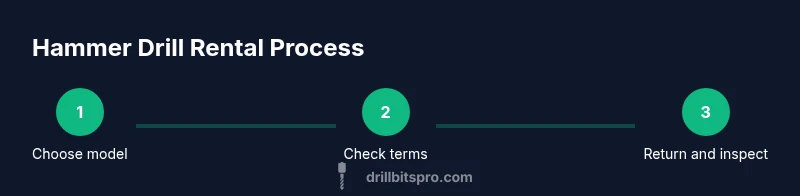
Renting a hammer drill starts with understanding model categories: standard hammer drills and SDS plus models; Corded vs cordless; heavier models for deeper holes; lighter models for quick work. When shopping, confirm that the unit accepts the drill bits you own or plan to rent; check chuck compatibility; ensure a dust extraction port or shroud if you care about cleanliness. Look for a basic safety check in the rental shop: test run, inspect cord and plug, verify the chuck tightness, and note any unusual play in the chuck. Ask about included accessories, like extra bits, depth stop, or a right angle head. Clarify rental terms, such as daily or weekly rates, the policy for late returns, and whether damage coverage is included or offered as an optional add-on. If you need SDS bits, confirm that the rental shop provides SDS plus compatible bits or can source them. Finally, reserve ahead if your project has a strict timeline. Knowing what is included helps you rent rent a hammer drill with confidence and avoids last minute surprises on site.
Safety basics before you rent
Safety comes first when renting and using a hammer drill. Always wear eye protection, hearing protection, and a dust mask. Ensure the work area is clear, with stable footing and secure scaffolding if working above ground. Check the electrical supply for your rental unit: use a properly rated extension cord if needed, and avoid overloading circuits. Inspect the drill for damaged cords, loose chucks, or cracked housings before accepting it. Request a brief safety orientation from the staff, including how to switch between drilling modes and how to control torque and speed. On the job, secure the workpiece, mark pilot locations, and maintain two handed control to reduce kickback. Never force the bit; let the drill do the work. After use, unplug the tool before changing bits or performing maintenance.
Hammer drills vs rotary hammers: what's the difference
A hammer drill delivers rapid hammering action to help drill through masonry; a rotary hammer uses a piston mechanism for higher impact energy and larger holes. For most DIY walls and tile, a hammer drill is sufficient, especially with the right bit. If you’re drilling many deep holes in concrete or chiseling, a rotary hammer is often the better choice. Renters should choose based on the hole diameter, depth, and material. Consider the weight and balance, as well as the noise and vibration. If you’re unsure, start with a moderate model that offers adjustable impact energy and switch to high when needed. Understanding the distinction helps you avoid renting an undersized tool that stalls or an oversized model that slows you down.
Matching drill bits to materials and tasks
Conventional concrete drilling uses carbide tipped bits or diamond core bits, not standard wood bits. Check the chuck type and ensure your bits fit the rental unit: most hammer drills use a 1/4 inch or 3/8 inch chuck, and SDS models require SDS bits. For tile or porcelain, use silica carbide or diamond impregnated bits with a slow start and constant air cooling to prevent overheating. For wood, standard twist bits are fine, but pilot holes help prevent splitting. When drilling into masonry, start with a light pilot hole to guide the bit, then switch to the main bit. Keep bits sharp and avoid forcing the bit through hard material; if the bit binds, back out and clear debris. If you plan multiple holes, bring along a few different diameters to test fitment.
How to operate the hammer drill safely and effectively
Begin with a proper stance and a firm grip with both hands. Set a low speed to start, then gradually increase pressure and speed as the bit engages. Keep the drill perpendicular to the surface to prevent wandering, and use a pilot hole where appropriate. Apply consistent, moderate pressure rather than pushing hard; let the bit do the cutting. If you feel the bit binding, stop and back out slightly to avoid stalling. Watch for overheating: pause every few minutes to cool the bit and motor if drilling long runs. Use the dust port or a vacuum to minimize debris and protect your lungs. Always unplug before changing bits or adjusting settings.
Concrete drilling best practices
Before drilling concrete, mark precise locations with a center punch to prevent wandering. Start with a shallow pilot hole to guide the larger bit and reduce kickback. Use slow speed and light pressure at first, then increase gradually. For deeper holes, periodically pull the bit out to clear debris. Use water cooling sparingly when possible; excessive moisture can affect dust collection and bit wear. If you’re drilling through reinforced concrete, be mindful of rebar and avoid cutting into it; use a rebar detector to locate obstacles.
Maintenance tips for rented tools
Keep the tool clean and return it in the condition you received it. Wipe off dust, inspect the chuck, check for cracks, and report any damage to the rental shop before returning. Store the tool in its case if possible and return all included bits. If a problem arises, document it with photos and inform staff. This reduces disputes and ensures the next user has a safe, reliable tool.
Common mistakes and how to avoid them
Skipping a safety briefing can lead to injury; always ask for instruction if unsure. Renting without verifying the chuck or bit compatibility wastes time. Drilling without a pilot hole can cause material cracking or bit binding. Overheating the drill by forcing it is a frequent problem; pause to cool. Not cleaning the tool after use can transfer dust and degrade performance.
Real world planning and timing for rent
Assess the project scope, determine approximate number of holes, hole sizes, and the masonry type. Reserve the tool ahead of time to avoid shortages during busy seasons. Align rental duration with your schedule; ask about extensions if your project grows. Ensure you have a backup plan for power or extension cords and always have a spare bit on hand.
Tools & Materials
- Hammer drill (rental unit)(Ensure compatible chuck type (SDS vs standard) with your bit collection)
- SDS drill bits set(Carbide tipped for concrete; carry multiple diameters)
- Pilot bits(Guide larger bits in masonry and metal)
- Dust shroud / vacuum adapter(Maintains cleaner work area and protects lungs)
- Safety glasses(Impact protection for eyes)
- Hearing protection(Ear defenders or plugs)
- Dust mask or respirator(Avoid inhaling concrete dust)
- Extension cord (proper gauge)(Use outdoor rated if working outside)
- Center punch and marker(Marks start points and depths)
- Measuring tape and level(Ensures alignment and accuracy)
Steps
Estimated time: 2-6 hours
- 1
Identify project scope and rental window
Define the material you will drill, hole sizes, and total count. Decide on the rental duration that fits your schedule and reserve the model if needed.
Tip: Document the plan to avoid last minute changes on site. - 2
Check model compatibility
Confirm the hammer drill accepts the bits you plan to use and whether SDS or standard chuck is required.
Tip: Ask for a quick demonstration of bit changes. - 3
Inspect the tool at pickup
Examine the cord, chuck, switch, and overall condition. Report any wear or damage before leaving the shop.
Tip: Take photos if you notice issues. - 4
Attach the correct bit and set speed
Install the right bit and set a low speed or torque for initiation. Confirm depth stop is in place if provided.
Tip: Always start with a pilot hole when drilling masonry. - 5
Position and begin drilling
Hold the tool with both hands, keep it perpendicular, and apply steady pressure. Avoid forcing the bit.
Tip: Stop periodically to clear debris and prevent clogging. - 6
Manage heat and dust
Drill in short bursts to prevent overheating. Use a dust extraction setup when possible.
Tip: Pause for cooling after every few holes. - 7
Finish holes and clean area
Inspect each hole for cleanliness and alignment. Wipe down the tool and store neatly after use.
Tip: Keep track of bit wear and retire any dull bits. - 8
Return the rental
Return the tool with the same accessories and in the same condition. Report any issues and settle the rental terms.
Tip: Keep receipts and take photos during return.
Got Questions?
What is the difference between a hammer drill and a rotary hammer?
A hammer drill uses a mechanical hammering action for masonry drilling, while a rotary hammer delivers stronger impact energy for larger holes. For typical DIY projects, a hammer drill is sufficient; reserve a rotary hammer for heavy concrete or demolition tasks.
A hammer drill is usually enough for most home projects. If you’re doing big concrete work or chiseling, a rotary hammer is the better choice.
Do I need to buy safety gear when renting?
Yes. PPE such as safety glasses, hearing protection, and a dust mask are essential whenever you operate a hammer drill.
Always wear eye, ear, and lung protection when using a hammer drill.
What should I check before taking a rented hammer drill home?
Inspect the cord and plug, chuck, and overall condition. Do a quick test run in the shop if possible to verify safe operation.
Inspect the tool and test it in the shop before you leave.
How long can I rent a hammer drill?
Rental durations vary by shop and project scope. Check the terms and consider extensions if your project runs longer than planned.
The rental period varies; ask about extensions if your project grows.
Can I rent SDS bits for the hammer drill?
Yes, if the model supports SDS and the rental shop has SDS bits available. Confirm compatibility before you commit.
Yes, but confirm compatibility with the tool you choose.
Watch Video
Top Takeaways
- Rent when cost to own is high
- Choose model by material and hole size
- Prioritize safety gear and PPE
- Inspect tool on pickup and return in good condition