What to Do with Drill: A Practical How-To Guide
Master the basics of using a drill across wood, metal, and masonry with practical safety tips, bit selection, setup, and maintenance from Drill Bits Pro.


With this guide, you’ll learn what to do with drill: how to pick the right bit, adjust speed, and make clean holes or drive screws safely. It covers safety, bit selection, and a practical workflow for wood, metal, and masonry projects, plus quick maintenance tips to extend life. This quick answer sets the stage for deeper steps.
what to do with drill: overview
Drilling is one of the most versatile tasks in DIY and professional work. A drill can create holes, start screws, or drive bits that shape projects across wood, metal, and masonry. The question of what to do with drill expands beyond simply turning a handle; it asks you to match the tool, bit, and technique to the material and desired finish. Before you touch the trigger, plan your approach: secure the workpiece, choose a bit, and set expectations for speed and pressure. With correct setup and safe handling, you’ll achieve clean holes, precise screw starts, and long-lasting tool life. This section frames the core workflow that applies to most drilling tasks, while the subsequent sections dive into specific materials, bits, and steps.
- Secure your workpiece with clamps to prevent movement.
- Select a bit that matches the material and desired hole size.
- Check the drill’s speed setting and clutch before you begin.
- Start slow, then increase speed as the bit cuts cleanly.
what to do with drill: selecting bits and speeds
Choosing the right bit is half the battle. For wood, Brad-point or standard twist bits deliver clean holes; for metal, high-speed steel twist bits perform best; for masonry, use a carbide-tipped masonry bit with a hammer or rotary hammer. Match the bit diameter to the hole you need, and always check the shank size fits your drill chuck. Speed matters: wood typically benefits from higher speeds, metal from moderate speeds, and masonry from slow, controlled feeds with hammer action when available. If your drill offers a clutch, start at the lowest setting to prevent overdriving or cam-out and adjust as you observe cutting behavior. Keep bits sharp and free of debris for best results.
- Keep a small pilot set for metal and wood to guide the larger bit.
- Use the manufacturer’s bit material recommendations to maximize life.
what to do with drill: safety gear and setup
Safety starts before you power up. Put on safety glasses or a face shield, hearing protection if you’re using a loud drill, and a dust mask when drilling into dusty materials. Secure the workpiece with clamps, and lay out a clear work area free of obstructions. Mark the center of the hole with a pencil, and consider a center punch for metal to prevent bit wander. Check the drill chuck for a firm grip, select the correct bit, and set any depth stop or piece of tape to limit how deep you drill. Keep hands away from the rotating bit and maintain a stable stance. These precautions reduce slip excursions and protect you from eye, ear, and dust hazards.
- Always disconnect power before changing bits or adjusting the setup.
- Use clamps or a vise to secure long pieces.
what to do with drill: hole drilling workflow for common tasks
A logical workflow yields consistent results. Start by marking the center and securing the workpiece. If you’re drilling through two layers, clamp them together and drill through the top layer first with a small pilot hole. For wood, begin with a pilot hole if the material is prone to splitting. For metal, consider starting with a center punch and a pilot hole. Keep the drill perpendicular to the surface; avoid leaning the tool, which can cause off-center holes. Apply steady, moderate pressure and let the bit do the cutting. Clear dust periodically to maintain visibility. When finished, deburr edges and inspect the hole for cleanliness.
- Use a depth stop or tape to prevent drilling too deep.
- Withdraw the bit while it’s still rotating to catch chips.
what to do with drill: screw driving and driving bits
Driving screws with a drill requires different settings than hole drilling. Pre-drill a hole the diameter of the screw’s shank for larger fasteners to reduce material stress. Use a Phillips, Pozidriv, or Torx bit that fits snugly in the screw head to avoid stripping. Engage the drill’s clutch so the bit stops turning as soon as the screw is seated, preventing overdriving and dimpling. Keep the screw aligned with the pilot hole and maintain steady pressure to drive it straight. If you need flush finishes, use a countersink bit to seat the head below the surface and reduce tear-out.
- Use a magnetic bit holder to keep bits secure in the fastener head.
what to do with drill: drilling into different materials
Different materials demand different approaches. Wood tolerates larger holes and prone to splintering, so always pre-drill near the edge and use a sharp bit. Metal requires slower speeds and a lubricant or cutting fluid to reduce heat and wear. Masonry benefits from a hammer action and carbide-tipped bits; without hammering you’ll quickly dull the bit and wear the tool. For composite materials, test on a scrap piece first to calibrate speed and pressure. In all cases, regularly clear debris and inspect bits for signs of wear before continuing.
- For metal, start with a small pilot and expand to the final size gradually.
- Avoid drilling near the ends of boards to prevent tear-out.
- Choose the appropriate drill bit geometry for the target material.
what to do with drill: maintenance and care for longevity
Longevity comes from routine maintenance. Clean the chuck and tip after each project, remove dust from the motor vents, and store bits dry and organized. Keep the battery charged for cordless drills and avoid leaving it fully depleted. Sharpen or replace dull bits instead of forcing them, which overheats the bit and dulls the tool. Lubricate moving parts as recommended by the manufacturer and inspect for wobble or unusual sounds, which may indicate wear or misalignment. Regular checks save time and money by preventing mid-project tool failures.
- Keep a dedicated bit sharpener or stone on hand for quick touch-ups.
- Inspect the chuck for wear and replace if it becomes loose or dirty.
what to do with drill: troubleshooting common issues
When a drill misbehaves, diagnose before blaming the tool. Wandering bits often indicate poor centering or a dull bit; re-mark the hole, secure the workpiece, and consider a center punch for metal. If the drill overheats, pause, clear debris, and allow the tool to cool; ensure you’re not applying excessive pressure. For bit breakage, check the shank fit in the chuck and use a bit with the correct diameter and length for the job. If screws cam-out, switch to a properly sized bit and adjust the clutch setting. Regular maintenance reduces the frequency of these issues.
- Do not force the drill through stubborn material; back out and reassess.
what to do with drill: practice projects to build skill
Practice makes precision. Start with simple projects like drilling pilot holes in scrap wood, mounting a small shelf to a softwood board, or creating a clean pilot hole in a scrap metal sheet. Progress to deeper holes and larger diameters, or try masonry tasks on a concrete block with a mason’s bit and hammer action. Use scrap materials to test bit sizes, speeds, and feeding pressure. Keeping a log of settings that worked well helps you reproduce success on future projects.
- Track which bit sizes work best for different materials.
what to do with drill: quick recap and next steps
Mastery comes from repeating the correct sequence: prepare, select the right bit, secure your work, drill with control, and finish with cleanup. By understanding material differences and employing proper safety, maintenance, and troubleshooting, you’ll improve accuracy and tool life. Use the steps outlined here to guide your day-to-day drilling tasks, and reference the detailed sections for deeper mastery.
Tools & Materials
- Cordless drill (or corded drill)(Look for variable speed, reversible, and a comfortable grip)
- Drill bits assortment (wood, metal, masonry)(Include brad-point, twist bits, and masonry bits; ensure shanks fit your chuck)
- Speed control or clutch(Helps prevent cam-out and overdriving; adjust to material)
- Safety glasses(Protect eyes from chips and dust)
- Clamps or vise(Secure long or irregular workpieces)
- Center punch(Guides bit on metal to prevent wandering)
- Tape measure and marking pencil(Accurate placement is essential)
- Depth stop or tape(Prevents drilling too deep)
- Dust mask or respirator(Useful for dusty or composite materials)
Steps
Estimated time: 60-90 minutes
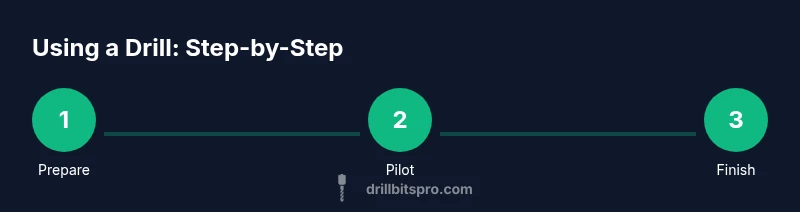
- 1
Prepare and secure
Secure the workpiece with clamps. Mark the hole center and choose the correct bit. Fit the bit firmly in the chuck and set any depth stop.
Tip: Clamp tight and double-check the center before drilling. - 2
Pilot hole first
If drilling a large hole, start with a smaller pilot bit to guide the larger bit. Maintain perpendicular alignment to the surface.
Tip: A pilot hole reduces splitting and drift. - 3
Drill the main hole
Switch to the final bit size. Start at low speed, then increase gradually as the bit engages.
Tip: Let the bit cut; apply steady, light pressure. - 4
Deburr and clean
Remove burrs with a deburring tool or a utility knife. Clear dust from the hole edges for a clean finish.
Tip: Deburring improves insert fit and appearance. - 5
Drive screws
If driving screws, pre-drill a pilot hole, choose the right bit, and set the clutch to stop after seating. Ensure the screw sits flush.
Tip: Countersink for flush finishes when needed. - 6
Finish and store
Turn off power and unplug or remove the battery. Clean bits and store them dry and organized.
Tip: Label bit sizes to speed future projects.
Got Questions?
Can I use a regular drill for masonry work?
Masonry drilling benefits from a hammer drill and carbide-tipped bits. Without hammer action, bits wear quickly and holes may wander. Use water or lubricant as needed to reduce heat.
For masonry, use a hammer drill with carbide bits; regular drills will struggle and wear fast.
What speed should I use for wood vs metal?
Wood generally benefits from higher speeds, while metal typically requires moderate speeds. Start slow, then adjust based on how cleanly the bit cuts and whether there’s smoking or chatter.
Start at a lower speed for metal and higher for wood, watching how the cut feels.
How can I prevent bit wandering?
Secure the workpiece, mark the center, and start with a small pilot hole or center punch to guide the bit. Keep the drill perpendicular to the surface.
Secure the piece, mark the center, and drill straight from the start.
What is a pilot hole and why is it important?
A pilot hole guides the larger drill bit, reduces material stress, and minimizes splintering. It’s especially important for hardwoods and metal.
Pilot holes guide the bigger bit and protect the material.
How do I sharpen drill bits?
Use a dedicated bit sharpener or sharpening stone to maintain the flute geometry. Not all bits are suitable for sharpening; if unsure, replace instead.
Sharpen with the right tool, or replace dull bits.
Is it safe to drill with one hand?
No. Always use both hands or a clamp to keep control. One-handed drilling increases the risk of slips and injury.
Always keep two hands on the drill or clamp the work.
Watch Video
Top Takeaways
- Choose the right bit for each material
- Secure, mark, and pilot when needed
- Drill straight, let the bit cut, and avoid overfeeding
- Pre-drill for screws to prevent splitting
- Maintain and store bits properly for longevity