How to Keep Drill Bits from Rusting: A Practical Guide
A practical, step-by-step guide from Drill Bits Pro to prevent rust on drill bits, covering storage, coatings, and routine maintenance for DIYers and professionals.


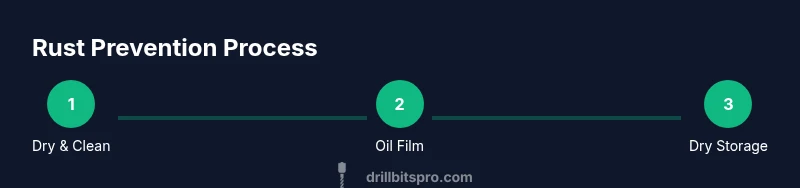
Learn how to keep drill bits from rusting with a simple, step-by-step routine: dry thoroughly after use, apply a light protective film, and store them in a dry, sealed container with desiccants. This approach reduces moisture exposure and extends tool life for DIYers and professionals alike. You will also learn when to oil and how to choose storage options.
Why keeping drill bits rust-free matters
Rust is more than a surface blemish; it is metal erosion that dulls the edge, changes flute geometry, and invites resistance during cutting. When rust forms on drill bits, heat rises, friction increases, and the material may chip or seize, especially under load. According to Drill Bits Pro, rust compromises performance and shortens the life of the bit, particularly for carbon steel bits used in wood and soft metals. A consistent rust-prevention routine started right after use yields longer bit life, fewer tool changes, and cleaner holes with less wandering. DIYers who dry, lubricate, and seal their bits report fewer rust specks and less downtime changing bits mid-project. In professional shop environments, humidity fluctuations demand tighter storage discipline. Rust often begins as tiny, invisible specks that can spread if ignored, leading to slower cuts and more wear. The good news is that a few practical habits—drying thoroughly, applying a thin protective film, and choosing stable storage—offer a high return on investment for hobbyists and pros alike. By integrating rust-prevention into your routine, you protect cutting edges and ensure reliable performance across drilling tasks. Based on Drill Bits Pro Analysis, 2026, disciplined rust management helps extend tool life and reduce maintenance cycles.
What causes rust on drill bits
Rust on drill bits comes from a mix of moisture, exposure, and neglect. Humidity in the air, condensation after washing, or leaving bits damp in a warm room can start oxidation in minutes. Even a light film of oil left on steel surfaces can trap moisture and foster rust over time. Storing bits in open bins or non-sealed drawers exposes them to ambient humidity, dust, and chemical residues that accelerate corrosion. Temperature swings promote condensation on metal surfaces, especially in garages and basements, which speeds rust formation. If maintenance routines are skipped—such as wiping off residual coolant or applying protective coatings—rust takes hold between projects. To minimize risk, aim for a consistently dry, clean storage environment and organize bits by type so you can tailor rust-prevention measures to each group. Different alloys react to moisture differently, so separate carbon steel from carbide or coated bits and treat each accordingly. By addressing both environment and handling, you reduce the odds of rust developing on your drill collection.
Materials and coatings that help prevent rust
Coatings and material choices can slow rust, but they work best when paired with good storage habits. A light film of machine oil or a dedicated rust-preventive coating after thorough drying is a simple and effective baseline. Chrome plating and certain oxide finishes provide additional corrosion resistance, while carbide-tipped or TiN-coated bits offer both wear resistance and reduced exposure of fresh metal to air. Stainless steel shanks are generally more resistant to rust than plain carbon steel, particularly in humid environments. Remember that coatings wear over time, so protective storage remains essential. In practice, combine a protective coating with dry storage to maximize results. For metal drilling, condition with a light oil film before placing bits into sealed containers. For wood bits, choose a rust-preventive agent that won’t interfere with the cutting edge. Always follow the manufacturer’s recommendations for coated or carbide bits and avoid harsh solvents that could degrade coatings during cleaning. The right combination of coating and environment yields the best long-term rust resistance.
Storage environments and humidity control
Storage is where the most significant rust benefits come from. The goal is to minimize moisture exposure while keeping bits organized and accessible. Use airtight plastic boxes or metal organizers with tight-fitting lids to create a stable microclimate. Place silica gel desiccants inside containers to absorb ambient moisture, replacing them as needed. Wipe all bits dry before storage and consider applying a light oil film to surfaces that will not be cut frequently. In particularly humid spaces, a small dehumidifier or climate-controlled cabinet can dramatically lower rust risk. Group bits by material type and coating so you can apply the most appropriate rust-prevention method to each group and avoid cross-contamination of rust-prone metals. Label containers with date and contents so you can track changes over time, and perform periodic audits to catch early rust signs before they spread.
Cleaning and maintenance routines
Even with proper storage, surface rust can appear and should be addressed promptly. Start by drying the bit completely, then brush away loose rust with a soft-bristled tool. If rust persists, use a mild rust remover or fine steel wool (000 grade) to remove it, then wipe clean and reapply a thin oil film. After cleaning, inspect the edge for micro-damage; if it looks dull or pitted, re-sharpen or replace as needed. Keep a small bottle of rust-preventive oil nearby and apply a light coat after each cleaning. Regular maintenance reduces the chance that rust will reappear during idle periods and saves time in future jobs. If persistent rust returns despite routine care, review your storage setup and consider upgrading to a higher quality coating or desiccant strategy. A proactive maintenance mindset saves money and keeps drill bits performing at their best.
Quick-start routine you can implement today
Start with a quick check: wipe every bit clean and dry with a lint-free cloth. Apply a thin film of light machine oil to exposed surfaces, then place bits into a labeled, sealed container with silica gel. Store containers in a dry, cool location away from direct sunlight. Schedule a monthly check to replace desiccants and inspect for rust signs. If you see surface rust, lightly brush or polish it away, re-oil, and reseal. This simple routine takes only a few minutes after each project but protects your entire bit set long-term.
Common mistakes to avoid
Avoid leaving bits damp or wet after use; moisture is rust’s best friend. Do not store bits loosely in an open tray without a lid. Do not mix different metals in the same container if storage compatibility matters. Never ignore signs of corrosion; small rust spots can spread if not treated. Finally, avoid relying on a single method; combine dryness, oiling, and routine checks for maximum rust resistance.
Tools & Materials
- Lint-free cloth or microfiber rag(For drying and applying oil)
- Light machine oil or cutting oil(Thin protective film after cleaning)
- Silica gel desiccant packets(Absorb moisture inside storage bins)
- Airtight storage containers or labeled organizers(Keep bits dry and separated)
- Soft-bristled brush(Clean bits without scratching edges)
- Rust remover or fine-grade steel wool (000)(Use only if minor rust appears)
- Fine sandpaper or steel wool for edge touch-ups(Lightly freshen surface before re-coating)
- Lubricant spray for tools (optional)(Extra protection during storage)
- Oil can or dropper(Controlled oil application)
Steps
Estimated time: 25-35 minutes
- 1
Inspect and dry bits after use
Immediately wipe each bit clean and dry with a lint-free cloth. Allow any residual moisture to evaporate or use gentle air flow to ensure complete dryness before moving to the next step.
Tip: Don’t skip the drying step; damp bits are the primary rust source. - 2
Apply a light oil coating
Apply a very thin film of machine oil to exposed surfaces using a clean cloth or brush. Spread evenly to avoid pooling, which can attract dust or debris.
Tip: Wipe away excess oil and focus on the body and cutting edge lightly. - 3
Store in a dry container with desiccant
Place bits in labeled containers with silica gel, ensuring they are not overcrowded. Close lids firmly to minimize air and moisture exchange.
Tip: Change desiccants monthly or as humidity dictates. - 4
Check storage environment regularly
Periodically inspect containers for moisture buildup and rust spots. Replace desiccants as needed and adjust storage location if humidity is high.
Tip: Keep containers away from direct heat sources which may accelerate corrosion. - 5
Clean minor rust promptly
If surface rust appears, gently scrub with a soft brush or 000-grade steel wool, then re-oil and reseal.
Tip: Test rust-removal on a spare bit first to avoid edge damage. - 6
Maintain coatings and replace worn bits
Follow manufacturer guidance for coated bits; replace any bit showing edge damage or heavy rust that cleaning cannot restore.
Tip: Keep spare budget for occasional bit replacement to prevent project delays.
Got Questions?
What is the simplest way to prevent rust on drill bits?
Dry, oil, and store in a sealed container with desiccants. Pair this with periodic checks for any surface rust.
Dry, oil, and store sealed with desiccants; check for rust monthly.
Can I use regular kitchen oil to protect drill bits?
Kitchen or cooking oils are not ideal. Use light machine oil or a dedicated rust-preventive coating designed for metal tools.
Use proper metal protection oil, not kitchen oil.
How often should I check for rust on stored drill bits?
Inspect monthly, reapply oil as needed, and replace desiccants if humidity remains high.
Check monthly and re-oil as needed.
Should I coat the entire bit or only the cutting edge?
Coat the body lightly and evenly; avoid pooling oil near the cutting edge to prevent debris sticking.
Light, even coating all over is best.
What signs indicate a bit should be replaced rather than cleaned?
Severe rust with edge pitting, flaking, or loss of geometry means replacement is safer than cleaning.
If rust is severe or edges are damaged, replace.
Are chrome plated or TiN-coated bits more rust resistant?
Yes, coatings can improve corrosion resistance, but they still require good storage and maintenance.
Coatings help but storage matters most.
Watch Video
Top Takeaways
- Dry bits thoroughly after use
- Apply a thin protective oil film
- Store in sealed, desiccated containers
- Inspect storage monthly and replace desiccants
- Treat rust promptly to prevent spread