Can You Use Drill Bits on Metal? A Practical Guide
Discover how to drill metal safely and accurately with the right drill bits, speeds, lubrication, and step-by-step techniques. Ideal for DIYers and pros.


Yes, you can drill metal with the right approach: choose the correct drill bit (high-carbon steel, HSS, or cobalt), start with a center punch and a pilot hole, apply cutting oil, and use slow-to-medium speeds with steady pressure. Secure the work and wear proper PPE. This combination yields clean holes and longer bit life.
Can you use drill bit on metal
Yes—the short answer is yes, but only when you use metal-appropriate bits and proper technique. For metal like steel, aluminum, and stainless steel, the right drill bit matters as much as your speed and lubrication. The Drill Bits Pro team emphasizes that choosing the correct bit and setup dramatically affects hole quality, tool wear, and safety. If you’re asking can you use drill bit on metal, the answer is yes, but with the right preparation, tooling, and process. By understanding material properties (hardness, heat generation, and work-hold requirements) you’ll achieve far better results and reduce frustration on projects ranging from automotive brackets to steel fabrication.
Why the right bit matters for metal drilling
Metal behaves differently than wood or plastic. Materials like steel and stainless steel resist cutting and generate heat quickly, which can dull bits or cause grabby drilling behavior if the bit isn’t designed for metal. The correct bit geometry (point land, helix angle, and flute design) is essential to removing chips efficiently and keeping friction low. In practice, this means using bits made for metal, such as high-speed steel (HSS) or cobalt, with appropriate coatings for heat resistance. When you ask can you use drill bit on metal, remember that the material dictates the bit selection, lubricant needs, and speed.
Safety equipment and setup
Before you begin, secure your workpiece with clamps or a vise and wear safety goggles and hearing protection if using a loud drill. A center punch helps guide the bit and prevents wandering, which is especially important for metal that can grab or walk. This section aligns with the core guidance from Drill Bits Pro on how to set up for metal drilling safely and efficiently.
Lubrication and heat management
Lubrication reduces heat, extends bit life, and improves chip flow. For most metals, a light application of cutting oil or a spray lubricant is sufficient. In harder metals like stainless steel or high-carbon steel, frequent lubrication and lower speeds are critical to avoid work hardening and dulling the bit. If you’re wondering can you use drill bit on metal, lubrication is a key variable that influences outcomes just as much as the bit choice.
Drilling speeds and feeds explained
Metal drilling requires careful speed control. Aluminum often tolerates higher speeds than steel, while stainless steel needs slower speeds and steady feeding to prevent overheating. The exact RPM depends on bit diameter, material hardness, and the drill type (handheld vs drill press). The general rule is to start slow, feed steadily, and pause if you notice excessive heat, smoke, or blue discoloration on the bit. This approach answers can you use drill bit on metal with practical speed guidance and technique.
Drilling different metals: steel, aluminum, stainless
Steel and its alloys can be drilled with HSS or cobalt bits, but stainless steel often demands cobalt or carbide-tipped bits for longer life. Aluminum is softer and enables faster cutting but is prone to grabbing if not clamped or if the bit is dull. In all cases, use a center punch, pilot hole for accuracy, and generous lubrication to manage heat. Understanding the metal you’re drilling helps you tailor your bit choice and feed rate to achieve clean holes and minimal bit wear.
Using a drill press vs handheld drill for metal
A drill press stabilizes the bit trajectory and provides consistent speeds, which improves accuracy and reduces wandering. For precise hole placement, especially in metal machining, a drill press is often the safer and more reliable option. If you must use a handheld drill, clamp the work firmly, use a guide or jig, and maintain slow, steady pressure. The can you use drill bit on metal question benefits greatly from a fixed setup when metal is involved.
Post-drilling care: deburring and inspection
After drilling, deburr the hole edge with a deburring tool or a small-file to remove sharp edges that can cause stress concentrations or injuries. Clean away chips and inspect the hole for concentricity and size. Proper maintenance of drill bits—cleaning, sharpening when needed, and storing dry—extends tool life and keeps future projects efficient.
Quick-start metal drilling checklist (summary)
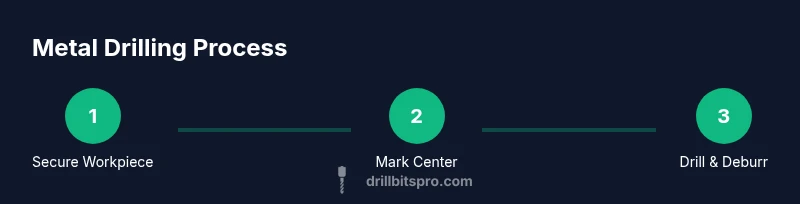
- Secure the workpiece with clamps or a vise. - Use the right metal drill bit (HSS or cobalt). - Mark the hole with a center punch. - Apply cutting oil or lubricant. - Drill at the recommended speed with a steady feed. - Deburr the hole and inspect for accuracy. - Clean up chips and store bits properly. - Practice safety throughout the process.
Tools & Materials
- Drill/Driver(Corded or cordless; choose variable speed for metal)
- Metal drill bits (HSS or cobalt)(Sizes 1/16" to 1/2" common; have pilot bit options)
- Center punch(Marks the center of the hole to prevent wandering)
- Clamp or vise(Secure the workpiece firmly to prevent movement)
- Lubricant / cutting oil(Reduces heat and helps chip evacuation)
- Safety glasses(Eye protection is essential during metal drilling)
- Hearing protection(Optional for loud drills)
- Gloves or face shield(Gloves can help but avoid loose fabric; use with care)
- Bench vise or sturdy work surface(Helpful for repetitive holes or larger pieces)
Steps
Estimated time: 30-60 minutes
- 1
Secure the workpiece
Place the metal piece in a stable vise or clamp it to the workbench. Ensure there is no movement when applying pressure with the drill. This stability prevents wandering and reduces the risk of injury or misaligned holes.
Tip: Double-check that clamps are tight and that chips won’t interfere with the motion path. - 2
Mark the hole position
Use a center punch to create a small indent at the hole location. This creates a guide for the bit and minimizes walking when drilling into metal.
Tip: Hit the center punch with a light tap to avoid deforming the workpiece. - 3
Select the correct bit and lubrication
Choose an HSS or cobalt bit appropriate for the material. Apply a thin layer of cutting oil or lubricant to the drilling area to reduce heat and improve chip removal.
Tip: For hard metals, consider a pilot hole first to improve accuracy. - 4
Start with a pilot hole
Begin with a smaller pilot hole at a slow speed using light pressure. This helps the larger bit find the exact center and reduces tool stress.
Tip: Keep the drill perpendicular to the work surface to avoid angled holes. - 5
Drill to final hole size
Switch to the final bit size and maintain steady pressure. Use cutting oil as needed and pause if the bit overheats or binds.
Tip: If the bit dulls quickly, stop and sharpen or switch to a fresh bit before continuing. - 6
Deburr and remove chips
After drilling, deburr the hole edge with a deburring tool or file. Wipe away chips and inspect the edge for burrs that could cause injury or fitment issues.
Tip: Deburring improves hole quality and reduces stress concentrations in the metal. - 7
Inspect hole alignment and dimension
Check that the hole is perpendicular and to the expected diameter. Re-check with calipers or a drill guide if strict tolerances are required.
Tip: If misaligned, re-center and consider re-drilling from the start with proper setup. - 8
Clean up and inspect tools
Clear out chips and clean the work area. Inspect and clean the bits; remove any built-up material or heat-discoloration.
Tip: Dry storage prevents rust; consider light lubrication on bits after use. - 9
Store and maintain your bits
Wipe down bits, sharpen when needed, and store in a dry case. Regular maintenance extends bit life and keeps performance consistent.
Tip: Schedule periodic sharpening for high-use bits to preserve edge geometry.
Got Questions?
Can you use a regular wood drill bit on metal?
Wood bits are not suitable for metal; they dull quickly and can bind or break. For metal, use bits designed for metal such as HSS or cobalt. Always use proper lubrication and clamps.
Wood bits aren’t designed for metal and tend to dull or break. Use metal-specific bits with lubrication and secure the workpiece.
What drill bit is best for metal?
High-speed steel (HSS) bits work well for many metals, while cobalt bits excel on hard steels. For very tough metals, carbide-tipped bits offer longer life.
HSS bits cover most jobs, cobalt for hard metals, carbide for very tough metals.
Do I need lubrication when drilling metal?
Yes. Lubrication reduces heat, eases chip removal, and extends bit life. Use cutting oil or a spray lubricant suitable for metal.
Yes, lubrication helps remove heat and keeps the bit sharp longer.
Is center punching necessary?
Center punching creates a precise starting point and reduces bit wandering, especially on harder metals.
Center punching helps the bit start true and prevents wandering.
Should I use a drill press for metal?
A drill press offers better control, alignment, and speed stability, making it preferred for accurate holes in metal.
A drill press is usually better for precise metal holes, but a sturdy handheld setup can work with care.
Can I drill stainless steel with HSS bits?
HSS bits work for stainless but wear faster; consider cobalt or carbide-tipped bits for extended life and cleaner holes.
HSS will work on stainless, but cobalt or carbide lasts longer and cuts cleaner.
Watch Video
Top Takeaways
- Secure the workpiece before drilling
- Choose metal-specific drill bits (HSS or cobalt)
- Lubricate to manage heat and chip flow
- Start with a pilot hole for accuracy
- Deburr and inspect the finished hole