How to Drill a Shallow Well: A DIY Guide
Learn a practical, safety-first approach to drill a shallow well with step-by-step instructions, proper tooling, water testing, and maintenance tips for DIYers.


This guide shows you how to drill a shallow well safely and effectively, with practical steps, common tools, and safety checks. You'll learn site selection, drilling method, well casing, filtration, and testing, all while respecting local regulations. Always verify groundwater potential and water quality before relying on it. Having the right permission and understanding: soil conditions, casing options, and water testing plans will help you avoid costly mistakes.
Site selection and legality
Before breaking ground, verify that a shallow-well project is allowed on your property and in your region. Local laws, groundwater rights, and water-utility rules vary widely. Start by checking with your city or county building department and your state environmental agency about permits, setbacks, and inspection requirements. Also confirm whether your property is on a public water supply or a private well. If there's any doubt, hire a licensed professional to assess the site and obtain permissions. According to Drill Bits Pro, planning and safety are the two pillars of a successful shallow-well project. The right assessment begins with a property survey to identify the best drill point, clear routes for equipment, and potential risks from nearby structures. You should also map nearby utilities and drainage patterns to avoid contamination pathways and prioritize a sanitary seal and proper drainage. If there’s surface contamination or a history of flooding in the area, consider alternative locations or protective barriers. Once permits are in place, use visible markers to keep the site organized. Document all decisions, so future maintenance and tests have a clear record. Finally, confirm local standards for water-quality testing and disposal of drilling fluids. This upfront planning helps prevent costly delays and ensures your shallow-well project stays compliant and safe.
Understanding groundwater and well depth
Groundwater is not a single, uniform layer; it varies with soil composition, rock formations, and hydrostatic pressure. In a shallow-well project, you’re aiming for the upper, more productive groundwater zones that lie beneath the surface. Permeable soils—such as sands or gravels—often yield water more readily, while clay-rich layers may slow or limit flow. Because depths vary regionally and seasonally, you should expect that the actual depth to groundwater can differ from what maps suggest. Drilling a shallow well is as much about detecting the water-bearing horizon as it is about penetrating the ground. A practical approach is to start with a conservative depth, monitor for water return, and adjust as you gain information from cutting samples and flow tests. Incorporate a contingency plan for encountering deeper formations or dwindling flow. In addition to depth, consider water quality factors that may change with depth, such as mineral content and microbial presence. Drilling progressively and testing at intervals helps prevent over-drilling or damaging aquifers. Local geology, weather, and land use all influence yield, so treat site exploration as an ongoing evaluation rather than a one-off effort. Based on Drill Bits Pro research, a thoughtful site assessment delivers the best chance of a reliable, maintainable shallow well without unnecessary complexity.
Drilling methods for shallow wells
Choosing a drilling method depends on the soil, tools, and access to the site. For many DIY projects, manual augering or portable rotary rigs offer a balance of control and cost. A simple auger approach can reach shallow groundwater in favorable soils, but you must monitor soil cuttings and respect the limit of torque and bit wear to prevent binding. If you have a small, portable drill rig, ensure it is rated for soil and shallow rock; use a bit with a penetrating tip designed for earthwork. In rockier terrain or variable soils, an air- or mud-based rotary method can help reach the horizon more consistently while minimizing surface disturbance. Whichever method you choose, keep the drill vertical and steady, feed the bit slowly, and avoid sudden pressure that could fracture the casing or trap debris. Safety cannot be overstated: establish a clear exclusion zone, seal the work area, and maintain clean water handling practices to prevent contamination. Drilling a shallow well is not the same as a commercial borehole; it requires incremental progress, observation, and the willingness to pause if you encounter unexpected conditions. The goal is to reach a reliable aquifer layer, not to force a fast drill. A well-planned approach reduces waste, energy use, and the chance of producing poor-quality water. Remember that local conditions will drive best practices, so adapt as you observe ground behavior and flow results.
Casing, screens, and filtration
Once the well reaches the water-bearing horizon, you need a sanitary barrier to protect groundwater from surface contamination. Install PVC or steel casing to prevent collapse and to isolate the water-bearing zone. A properly sized, slotted screen at the intake reduces sediment entry and helps sustain a stable yield. Seal the annulus with a bentonite or cement seal to minimize surface water intrusion and contaminant infiltration. Depending on your water quality and intended use, integrate a filtration system or water-treatment solution (such as a activated carbon filter or a UV purifier) to address taste, odor, and microbial concerns. For DIY projects, keep the casing length sufficient to go beneath the frost line in cold climates and to ensure a steady water supply. If frost is not a factor in your region, you still want enough depth to prevent surface fluctuations from affecting the water column. Measure and document the depth so future maintenance and potential rehabilitation are straightforward. Always verify that the well cap is watertight and that the surface area around the well is sloped away from the casing to protect the opening from runoff. A well-built casing and screen system reduces sediment, improves water clarity, and lowers maintenance needs over time.
Water testing and safety
Testing is a critical part of a shallow-well project. Start with a basic assessment: bacterial indicators, nitrates, pH, total dissolved solids, and hardness. Local guidelines and certified laboratories offer tests that align with community standards. Collect a representative water sample and deliver it promptly to the lab; use approved bottles and follow chain-of-custody procedures if required by your jurisdiction. If any contaminant is detected, you’ll need to isolate the source, treat the water, and possibly revise the well design. Microbiological contamination can occur from improper sealing or surface infiltration, so prioritize sanitary seals, proper casing depth, and robust covers. You should also plan for periodic testing—at least annually or after heavy rainfall or prolonged drought—to track changes in water quality. Drilling a shallow well should not compromise the surrounding environment; ensure that waste fluids and drilling cuttings are disposed of responsibly, and maintain a clean site to prevent recontamination. Drill Bits Pro emphasizes that a well-program that includes water quality checks and maintenance reduces long-term risk and improves reliability.
Post-drilling steps and maintenance
After drilling and initial testing, complete the construction with a secure lid, a protective cover, and a clear labeling of capacity and use restrictions. Record the drilling depth, casing length, screen details, and the test results for future reference. Chlorination is a common disinfection method when a well is first commissioned; follow local guidelines for concentration and contact time to avoid residual taste or corrosion. Maintain a regular inspection cycle—check seals, venting, and the integrity of the surface mount. Keep an operations log for seasonal changes in water quality, well yield, and pump performance if you install a pump. Periodic maintenance includes flushing the lines, validating filter life, and inspecting the surface area for drainage around the well. If you notice fluctuating yields, sediment buildup, or unusual odors, perform a repeat water test and consult a licensed professional. While DIY projects can be rewarding, a shallow-well system benefits from professional oversight if anomalies persist. The Drill Bits Pro team recommends documenting all steps and scheduling annual reviews to ensure safe, sustainable access to groundwater.
When to hire a pro and regulatory considerations
Even well-planned DIY drilling has limits. Some jurisdictions require licensed drillers for groundwater wells, and some sites demand professional design, seal testing, and water-quality certification. If you encounter hard rock, groundwater contamination, floodplain constraints, or complex hydraulic conditions, it’s prudent to hire a licensed driller or hydrogeologist. Costs can vary based on depth, soil type, equipment needs, and local permit fees. Always verify your local codes and obtain any needed permits before starting, even for shallow wells. If you choose to proceed independently, ensure you have a robust contingency plan for unexpected ground conditions, equipment failure, and water-quality issues. Seek professional input for design validation, permit clearance, and post-installation testing. The regulatory landscape can change; maintain up-to-date documents and follow best-practice guidelines from environmental agencies. The Drill Bits Pro team recommends a cautious, compliant approach: prepare for the long game of water reliability and safety, invest in proper testing, and know when to call a pro to protect your health and property.
End-to-end checklist (summary)
- Confirm permits and property rights before drilling.
- Assess groundwater depth and soil conditions with a field test.
- Select a drilling method suitable for the site and equipment access.
- Install casing, a screen, and a sanitary seal to protect the aquifer.
- Test water quality comprehensively and plan ongoing maintenance.
- Document everything and stay compliant with local regulations.
- Know when to hire a professional for design, testing, and certification.
Tools & Materials
- Shovel or digging bar(For surface clearing and marker trenches)
- Auger or portable drill with suitable bit(Choose a soil-friendly auger bit or a small rotary bit)
- Measuring tape, marker stakes(For precise location and depth tracking)
- PVC or steel casing (appropriate diameter)(Depth below surface to protect the water zone)
- Casing sealant and/or bentonite(Seal around casing to prevent infiltration)
- Well screen or slotted pipe(Pre-screen intake to reduce sediment)
- Gravel pack (optional but recommended)(Helps filter and stabilize the intake)
- Plumb line or level(Keep borehole vertical)
- Water testing kit or access to certified lab(Test for bacteria, nitrates, pH, minerals)
- Chlorine or disinfectant (for initial sanitation)(Follow local guidelines for concentration)
- Protective gear (gloves, goggles, boots, hearing protection)(Safety first during drilling)
- Buckets, water supply, and fuel for equipment(For washing, cleaning, and cooling)
- Sealed caps and footing protection for surface(To guard against contamination and weather)
Steps
Estimated time: Total project time typically ranges from 8 to 14 hours depending on soil and depth, plus potential follow-up testing days
- 1
Plan and permits
Review local codes, property rights, water rights, and permit requirements. Contact the local authority to confirm whether a permit is needed, what setbacks apply, and how disposal of drilling fluids is handled. Create a site plan showing the drill point, utilities, and drainage.
Tip: Call 811 or your local dig-safe service to mark underground utilities before you dig. - 2
Assemble tools and safety gear
Gather all tools and PPE, check equipment for damage, and ensure you have a stable work surface. Prepare containment for drilling fluids and arrange a waste area away from water sources.
Tip: Wear protective gear at all times and inspect equipment for loose parts before starting. - 3
Mark the drill location and establish a clear zone
Use stakes and flags to mark the chosen drill point. Create a buffer zone around the work area to keep children and animals away and to limit debris spread.
Tip: Double-check orientation to avoid foundations or septic components. - 4
Begin drilling and monitor progress
Start with shallow drilling to locate a water-bearing horizon. Keep the drill vertical, feed slowly, and pause if sediments indicate poor formation or if water returns are inconsistent.
Tip: Record depth increments and sample ground material for later analysis. - 5
Extend to horizon and install initial casing
When water is encountered, advance the bore to the planned depth, install casing, and place a screen intake where appropriate. Seal the annulus to prevent surface water intrusion.
Tip: Do not rush this step; proper seating prevents future contamination. - 6
Test water quality and adjust as needed
Draw a sample for laboratory testing and monitor initial drawdown, flow rate, and sediment. If needed, install a filtration solution based on test results and use a disinfectant per guidelines.
Tip: Keep samples sealed and labeled; ensure chain of custody if required. - 7
Finalize and document
Cap the well, secure the area, and compile a maintenance plan with seasonal checks. Document depths, casing length, water test results, and any treatment systems installed.
Tip: Store all documentation in a safe, accessible location for future reference.
Got Questions?
Do I need a permit to drill a shallow well?
Regulations vary by location. Some areas require permits or inspections for well construction, while others may allow small-scale projects with notification. Check with your local building department and environmental agency before starting.
Regulations vary by location. Check with your local authorities before you start.
How deep is a shallow well typically?
Depth depends on local geology. In many areas, groundwater lies within the upper portion of the soil profile, so plan for a conservative depth and adjust based on water findings during drilling.
Depth depends on geology; start shallow and adjust as you find water.
What materials are essential for the initial build?
You’ll need a casing, a screen, proper seals, basic drilling tools, and a means to test water quality. Optional components include gravel packs and a basic filtration system for improved water quality.
Casing, screen, seals, drilling tools, and water testing are essential.
How often should I test water once the well is in use?
Establish an annual testing routine and test again after extreme weather events or after repairs. Continual monitoring helps ensure water safety and long-term well health.
Test annually and after major events or repairs.
When should I hire a professional?
If you encounter hard rock, uncertain water quality, or complex regulatory requirements, a licensed driller or hydrogeologist can ensure safety and code compliance.
Hire a pro if you hit hard rock or unclear water quality.
What safety precautions are most important?
Maintain a clear work zone, avoid contact with moving equipment, and use PPE. Never mix drilling fluids in a way that can contaminate the groundwater.
Stay clear of moving parts, wear PPE, and keep the site clean.
Watch Video
Top Takeaways
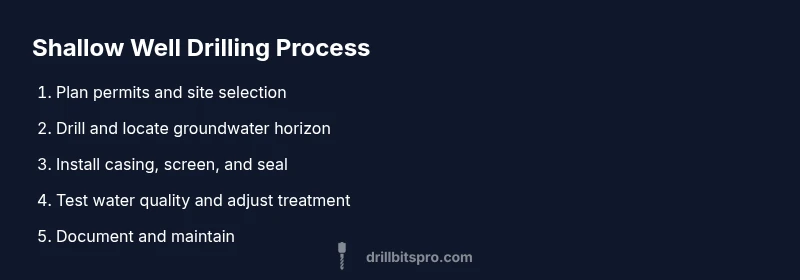
- Plan permits and safety before any drilling
- Choose a drilling method suited to soil and access
- Install proper casing and a sanitary seal
- Test water quality and maintain a log
- Know when to hire a pro for certification and complex issues