How to Drill for Water: A Practical Well Drilling Guide
Learn how to drill for water safely and efficiently, from site selection and permits to drilling, testing water quality, and long-term well maintenance with practical, expert guidance from Drill Bits Pro.


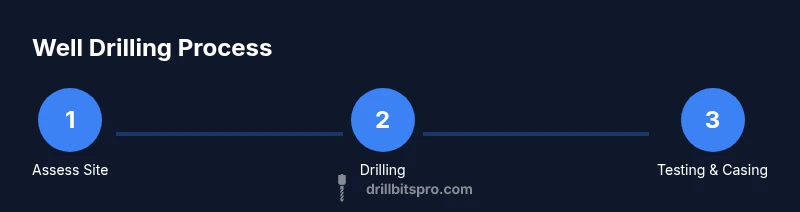
This guide explains how to drill for water from planning and permits to drilling, casing, and testing. You’ll learn essential steps, safety practices, and when to hire licensed professionals. By the end, you’ll know where groundwater is likely, how to choose a method, and how to evaluate yield. This aligns with Drill Bits Pro guidance.
Site planning and permitting for a water well
Planning is the backbone of a successful water well project. Start by assessing groundwater potential through local geology, aquifer access, and surface conditions. Check setbacks from buildings, septic systems, and streams, then confirm regulatory requirements with the local water authority. Permits are often required before any drilling begins, and some jurisdictions insist on a licensed driller for safety and environmental protection. According to Drill Bits Pro, engaging a local expert early helps you navigate permits, setbacks, and environmental considerations with confidence. You should also consider long-term land use, access for equipment, and potential contamination sources in the area. A well designed from the outset reduces the risk of dry spells and water quality issues later. Planning isn’t just paperwork; it ensures the borehole you create can deliver reliable water for years. Viable sites often have shallow bedrock or fractured zones where groundwater moves, so map the terrain and favor rock layers known for holding groundwater. Collect soil and rock observations, and discuss findings with a hydrogeologist if possible. Knowledgeable planning saves time and money and minimizes environmental disruption.
Selecting the drilling method and equipment
Choosing the right drilling method depends on geology, water depth, and available equipment. In soft soils and shallow depths, manual augering or small portable rigs can work, while rotary drilling with casing is common for deeper wells. Air rotary or mud drilling may be necessary in rockier formations to manage cuttings and keep the borehole stable. The equipment you pick should match borehole diameter, depth, and the anticipated water yield. Safety gear and ease of setup are also critical considerations. When in doubt, consult a licensed driller to assess the geologic profile and provide a method plan tailored to your site. Always verify that all equipment is rated for groundwater work and that you have a reliable pumping and flushing setup to manage drilling fluids. A well-chosen method reduces drilling time and improves hole stability, yield, and water quality. In field tests, verify that the drilling method avoids contamination pathways and ensures a clean borehole for subsequent casing.
Borehole construction: casing, grout, and seals
Borehole construction starts with an appropriately sized hole for the casing you intend to install. Install casing to prevent the walls from collapsing and to protect the aquifer from surface contaminants. Use grout to seal the annulus between the borehole and casing, preventing surface water infiltration and groundwater mixing. A proper seal also helps prevent groundwater contamination from nearby features and stabilizes the structure during pumping. The selection of casing material (PVC or steel) depends on depth, groundwater chemistry, and local standards. Always confirm grout type and placement methods per local regulations. After installation, test the borehole integrity by checking for leaks and verifying that the casing is plumb. A well-built borehole is essential for long-term reliability and water quality.
Water testing: yield, quality, and long-term monitoring
Once the borehole is in place and the casing is installed, a yield test helps determine how much water the well can supply. Conduct static and pumping tests to understand drawdown and recovery rates, which inform pump size and storage needs. Collect water samples for quality testing, checking for contaminants such as bacteria, nitrates, and metals, and compare results to local drinking water standards. Document test results and establish a baseline for future comparisons. Water quality is dynamic, so ongoing monitoring is recommended, especially after rehabilitation or seasonal changes. Focus on robust sampling procedures and chain-of-custody records to ensure credible results. Maintaining a log helps you spot trends and plan maintenance or treatment when needed.
Maintenance, safety, and ongoing compliance
Regular well maintenance protects water quality and extends equipment life. Plan periodic inspections of the casing, seals, and pump, and monitor water quality for changes that could indicate contamination. Sanitation during maintenance is critical to avoid introducing pathogens. Keep a record of inspections, maintenance tasks, and test results, and stay current with local regulatory requirements regarding testing frequency and reporting. Keeping the well accessible for service and ensuring any electrical components are safe and up to code reduces risk. A long-term maintenance mindset preserves yield and water quality while protecting your investment.
Common pitfalls and how to avoid them
Common pitfalls include skipping permits, neglecting proper borehole sealing, selecting inappropriate drilling methods for the geology, and failing to test water quality before use. To avoid these issues, engage professionals for permit navigation, design a robust casing and grout plan, and perform comprehensive water testing before heavy usage. Never rush drilling, especially in near-surface contaminants or near septic systems, and ensure you have a contingency plan for unexpected depths or poor yield. Keeping detailed records helps you trace problems quickly and respond with the right remediation measures. Remember that groundwater varies with location, so tailor the approach to your site rather than applying a generic template.
Tools & Materials
- Drilling rig or manual auger(Choose based on depth and geology)
- Casing pipe and fittings(Diameter suited to borehole and pump intake)
- Drill bits for well drilling(Match to drilling method and formation)
- Grout and seals(For annulus sealing and vertical integrity)
- Water pump and flushing fluid(If using drilling fluids or pump test methods)
- Safety gear(Helmet, goggles, gloves, boots)
- Water quality test kit(Bacteria, nitrates, metals checks)
- Measuring tools and markers(Tape, level, plumb line)
- Permits and local regulatory documents(Keep on site for inspections)
- Disinfection supplies(Post construction sanitation)
Steps
Estimated time: 2-3 weeks
- 1
Assess site and obtain permits
Identify a viable location considering groundwater potential, accessibility, and environmental impact. Check local permit requirements, setbacks, and notification rules before any equipment moves on site. Secure approvals to avoid delays and penalties.
Tip: Start conversations with both the local authority and a licensed driller early to align plans. - 2
Select drilling method and equipment
Choose a method suited to the geology and depth, such as rotary or auger drilling. Confirm equipment safety checks, fuel, and fluids management plans before starting.
Tip: Depth estimates from geologic data help prevent over or under drilling. - 3
Prepare borehole and set up drilling fluids
Clear the site, mark borehole location, and set up a collapsing-free borehole with appropriate fluid management. Maintain a controlled flow to reduce dust and prevent surface contamination.
Tip: Keep a log of fluid volumes and returns for quality control. - 4
Install casing and grout the borehole
Insert the casing to the designed depth, seal the annulus with grout, and ensure vertical alignment. This protects the aquifer and stabilizes the borehole.
Tip: Verify verticality with a plumb line during cement placement. - 5
Install pumping system and piping
Attach the pump and assemble piping to deliver water to the surface. Check for leaks and ensure proper electrical safety and grounding.
Tip: Test pump operation at low flow before full testing. - 6
Conduct yield and water quality tests
Perform yield tests and collect samples for safety analysis. Evaluate drawdown, recovery, and contaminant levels against local standards.
Tip: Document test procedures and preserve samples for chain of custody. - 7
Document and seal the borehole
Record depth, casing specifications, test results, and maintenance plan. Close access points safely to prevent contamination and accidental falls.
Tip: Keep a digital copy of the test results and permits. - 8
Plan maintenance and long-term monitoring
Create a maintenance schedule for the pump and plumbing, plus routine water quality checks. Establish a monitoring plan to detect changes in yield or water quality over time.
Tip: Set reminders for annual water testing and pump service.
Got Questions?
Do I always need a permit to drill a water well?
In most areas a permit is required for groundwater wells and drilling activities. Local authorities set the requirements, so check with the water department early in planning.
Most places require a permit for a water well, so check with the local water authority before you start.
Can I drill my own well or should I hire a professional?
Drilling a well can be hazardous and legally complex. Hiring a licensed driller ensures compliance with national and local codes and reduces risk of groundwater contamination.
Drilling a well is best left to a licensed professional to ensure safety and compliance.
What tests are essential after drilling a well?
Conduct yield tests to determine water supply and quality tests for contaminants. Maintain records for future reference and regulatory compliance.
You should test the yield and water quality to ensure safety and adequacy.
How deep should a domestic well be?
Depth depends on geology and water table depth. Local regulations and hydrogeology determine the appropriate depth for your site.
Depth varies by site; consult local guidelines and geologic data.
What maintenance is needed for a water well?
Regular inspections, pumping tests, and water quality checks are essential. Keep records and promptly address any anomalies.
Do routine inspections and testing to keep your well safe and reliable.
What safety practices should accompany well drilling?
Wear protective gear, manage drilling fluids, and ensure electrical safety when pumps are involved. Keep children and pets away from active sites.
Always prioritize safety with proper gear and site management.
Watch Video
Top Takeaways
- Plan thoroughly before drilling and secure permits early
- Choose a drilling method matched to geology and depth
- Install proper casing and grout for long term integrity
- Test yield and water quality before use
- Maintain the well and monitor water quality over time