How Much Does It Cost to Drill a 100 ft Well? A Practical Guide
A practical breakdown of drilling costs for a 100 ft well, covering per-foot rates, permitting, pump installation, and common fees with insights from Drill Bits Pro Analysis.


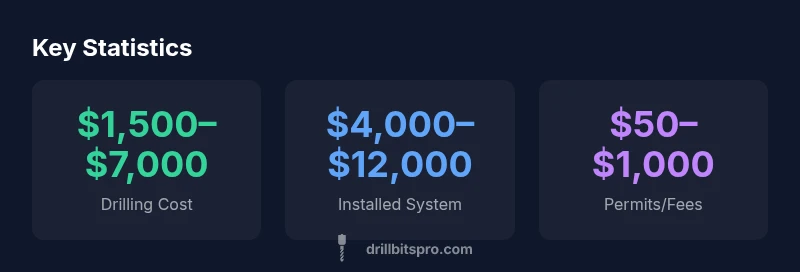
All-in costs to drill a 100 ft well typically fall within a broad range. Drilling alone usually costs about $1,500 to $7,000, depending on geology and site access. When you add a pump, tank, wiring, and permits, total installed costs commonly run from roughly $5,000 to $15,000, with regional variations.
Breakdown of 100 ft Well Costs
According to Drill Bits Pro, understanding how much does it cost to drill a 100 ft well requires looking beyond sticker price. The drilling price is driven by geology, access, and local market rates. In many regions, drilling a 100 ft well falls within a broad range; drilling alone may cost roughly $1,500 to $7,000, depending on soil and depths. If the well must pass through rock or has a difficult access, costs can rise toward the higher end. When you add equipment like a pump, pressure tank, and electrical wiring, the all-in installed cost commonly expands to about $5,000 to $15,000 or more. This range reflects regional differences, contractor pricing, and permit requirements. Drill Bits Pro Analysis, 2026 suggests that homeowners should plan a contingency of 10-20% to cover unexpected site conditions.
Major Cost Components Beyond Drilling
Beyond the hole itself, several items influence the final price. The most common components include:
- Pump selection (submersible vs jet): typically tailored to well depth and water demand.
- Storage tank and pressure tank: sizing affects upfront and replacement costs.
- Electrical wiring and control wiring: safety wiring and trenching add to labor.
- Casing, seals, and well cap: essential materials that protect long-term performance.
- Water testing and treatment options: post-install testing helps ensure water quality.
- Permits, fees, and inspections: costs vary by county/state and can impact scheduling.
- Site restoration and trenching: driveway access and restoration can add to the bill.
Estimating these items separately helps create a more realistic budget than focusing only on drilling.
Regional Variations and Hidden Fees
Costs vary widely by region due to local labor rates, permitting regimes, and geology. Sandy aquifers are generally easier to drill than hard rock formations, affecting per-foot costs. Access challenges—such as narrow lots, steep terrain, or shared driveways—can require additional equipment or sequencing, increasing labor hours. Hidden fees may include abandonment costs if you abandon the project, or fees for water testing and certification. Always ask for a detailed breakdown to identify where savings are possible and where costs are likely non-negotiable.
Estimating Your Project Budget: A Step-by-Step Guide
To build a credible budget, follow these steps:
- Gather at least three itemized quotes from licensed drillers.
- Verify licenses, insurance, and references.
- Confirm whether quotes include pumping equipment, wiring, and permits.
- Ask for a contingency clause (typically 10–20%).
- Consider post-install costs like water testing, filtration, and ongoing maintenance.
- Build a timeline with lead times for permits and equipment.
Having a clear plan helps you compare bids fairly and avoid surprise expenses.
Drilling Methods and Geological Impact on Cost
Different drilling methods affect cost structure. Traditional mud rotary or percussion methods work well in soft soils but may be less cost-effective in bedrock. Air drilling or reverse circulation can speed up drilling in stubborn formations but often comes with higher labor rates. The geological profile of your site is a primary driver of per-foot costs and total project duration. A careful site assessment precedes method selection to balance upfront cost against long-term reliability and water yield.
Permitting, Water Testing, and Impact Fees
Permits are not uniform; some jurisdictions require drilling permits, water rights verifications, or well construction permits. These fees can range from tens to thousands of dollars depending on location. After installation, water testing ensures safety and can involve treatment options if contaminants are detected. Budgeting for these steps prevents delays and ensures the well meets local health standards.
Financing, Timelines, and Practical Tips
Financing well projects is feasible through home improvement loans or personal lines of credit in many regions. Create a realistic timeline that includes permit queues, seasonal weather, and supplier lead times. Practical tips include:
- Obtain written warranties on pumps and tanks.
- Ask for a phased payment plan aligned with milestones.
- Reserve a 10-20% contingency for site conditions.
- Schedule a follow-up inspection after the initial start-up of the system.
A disciplined budgeting approach reduces the risk of project overruns and keeps the project on track.
Case Scenarios: Rural vs Urban Costs
Rural settings often have more robust well-water potential, but access for heavy equipment can complicate logistics and raise transportation costs. Urban or suburban sites may face stricter permitting and tighter scheduling, but often have more competitive contractor markets and shorter wait times. Comparing similar depth wells in nearby regions provides a useful proxy for cost expectations and helps set realistic bids.
Cost breakdown snapshot for a 100 ft well project
| Cost Element | Typical Range (USD) | Notes |
|---|---|---|
| Drilling (base 100 ft) | 1,500–7,000 | Depends on geology and depth progression |
| Pump installation | 1,000–5,000 | Submersible or jet pump choices vary |
| Water testing & treatment | 150–1,000 | Quality testing and optional treatment |
| Permits & fees | 50–1,000 | Location-dependent requirements |
| Electrical & wiring | 200–2,000 | Trenching and safety upgrades |
| Casing & seals | 300–2,000 | Material quality impacts longevity |
Got Questions?
What is the typical price range for drilling a 100 ft well?
Drilling alone usually costs $1,500–$7,000, with installed systems often $5,000–$15,000. Exact numbers depend on geology, access, and chosen equipment. See our full breakdown for regional variations.
Drilling alone is typically between one and seven thousand dollars, with installed costs often between five and fifteen thousand dollars depending on conditions.
Do permits affect cost?
Yes. Permit fees can vary from tens to thousands of dollars by jurisdiction and can influence scheduling. Always include permit estimates in your bid.
Permits can add a noticeable amount to your total and vary by location, so include permit costs in bid reviews.
How long does it take to drill a 100 ft well?
Drilling a 100 ft well can take a day or two, depending on soil conditions and access. Completing installation and testing adds additional days.
Usually a day or two for drilling, plus time for installation and testing.
What factors drive cost variability?
Geology, depth, site access, permit requirements, and contractor rates are the main cost drivers. Each factor can swing the total by a wide margin.
Geology, access, permits, and local rates largely determine the final price.
Is financing available for well projects?
Yes. Many lenders offer home improvement loans or lines of credit for well projects. Compare rates and terms across lenders.
Yes—look for home improvement loans or lines of credit and compare terms.
What maintenance costs should I expect after installation?
Expect periodic water testing, occasional pump service, and potential tank replacements over time. Budget for routine upkeep.
Budget for testing, occasional pump service, and possible tank replacement.
“In budgeting any well project, the most reliable approach is to secure multiple, itemized bids and verify licensing and references before committing.”
Top Takeaways
- Plan for wide cost ranges due to geology and location
- Get multiple, itemized quotes from licensed contractors
- Include permits, water testing, and contingencies in the budget
- Factor regional variations into your final estimate
- Ask for warranties on pumps and tanks