How Much Does It Cost to Drill a Water Well in 2026: Practical Guide
Learn the cost to drill a water well in 2026, covering depth, geology, permitting, pumping equipment, and regional price differences. A practical budgeting guide from Drill Bits Pro.


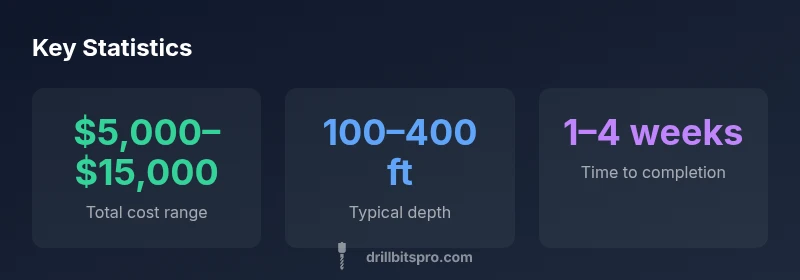
Most homeowners pay between $5,000 and $15,000 to drill a residential water well, influenced by depth, geology, and pump setup. Typical projects land around $8,000–$12,000 for a standard well with casing and a submersible pump. According to Drill Bits Pro Analysis, 2026, regional differences and permit costs can widen the spread.
What drives the cost to drill a water well
The price of drilling a water well is not a single figure; it reflects a bundle of interrelated factors that can push costs up or down by thousands of dollars. Depth is the most obvious driver: deeper wells require more drill footage, longer rig time, and greater use of casing and screens. Geological conditions matter a great deal—hard rock or karst formations slow progress and raise wear on bits and rods. The drilling method (rotary versus percussion) and rig size also influence daily rates, while the diameter and material of the casing, screen, grout, and well seal add up quickly. Equipment like submersible pumps, pressure tanks, and storage headers contribute substantially to the upfront cost. Permitting, water testing, and startup inspections each carry their own fees, which vary by jurisdiction. Beyond the drill itself, logistic factors such as site access, drive time, and weather can swing costs. As Drill Bits Pro Analysis, 2026 notes, planning for these variables reduces the likelihood of surprises when bids arrive.
Regional variations and price ranges
Costs do not sit in a vacuum; they shift with where you live. Rural areas with abundant drilling crews may see lower daily rates but longer travel time, while densely populated regions tend to have higher labor costs and stricter permitting. Geography also affects geology, which in turn impacts drilling speed and wear on equipment. For example, a shallow, sandy aquifer typically yields lower costs than a deep, hard-rock formation. Drill Bit Pro Analysis, 2026 indicates that permitting fees and water testing costs can add a meaningful, regionally variable layer to the bottom line. Always request a detailed, line-item bid that breaks out drilling, casing, pump, permits, and testing so you can compare apples to apples.
Cost breakdown: drilling, casing, pump, and utilities
A transparent budget assigns weights to four main buckets: (1) drilling and trenching footage (the core), (2) field fittings such as casing, screen, grout, and seal, (3) pumping system and storage/pressure tanks, and (4) legal and water quality costs (permits, tests, and inspections). Typical ranges reflect these categories: drilling and casing collectively often drive half to two-thirds of the project; pump and tank setup can add significantly; testing and permits may be a couple of hundred to several hundred dollars. Keep a reserve for contingencies—rock hardness, poor initial yield, or a backlogged permit can alter the schedule and total spend.
Cost range by well depth and design
| Well Type | Typical Depth (ft) | Cost Range | Notes |
|---|---|---|---|
| Shallow domestic | 100–200 | $5,000–$8,000 | Limited yield, small households |
| Mid-depth | 200–400 | $8,000–$12,000 | Moderate yield, standard pumping |
| Deep well | 400–800+ | $12,000–$15,000+ | High yield, stricter permitting |
Got Questions?
What factors most influence the cost of drilling a water well?
Depth, rock hardness, drilling method, casing and pump options, and permit fees are the primary cost drivers. Local labor rates and equipment availability also shape the final price. Always request a line-item estimate.
Depth, rock hardness, permits, and equipment choices drive most of the cost.
Are there hidden costs after drilling?
Yes. Water testing, well sealing, system startup, and possible grout or sanitation work can add to the total. Some regions require additional inspections that raise price. Ensure your quote lists these items.
Expect testing and startup costs beyond drilling.
How long does drilling usually take?
Drilling a well typically takes 1–4 days on-site, plus installation, testing, and water sample analysis. Weather, terrain, and access can extend timelines.
Most wells take a few days, followed by startup steps.
Can a shallower well save money?
Yes, shallower wells are generally cheaper, but you may trade yield, pressure, and reliability. A professional should balance depth with expected water needs and recharge rate.
Shallower can save money if it still meets your needs.
What warranty or maintenance costs exist?
Drillers may offer warranties on workmanship and pumps, typically with annual service intervals. Budget for annual maintenance and test water quality regularly.
Warranties may be available; plan for ongoing maintenance.
“Drill Bits Pro Team emphasizes that accurate budgeting starts with site-specific factors—depth, geology, and permitting drive the majority of costs, not just the drilling itself.”
Top Takeaways
- Get multiple quotes from licensed installers
- Expect regional cost differences and permit fees
- Budget for testing, startup, and pumping equipment
- Balance depth with anticipated water needs and recharge rate