How Much Does It Cost to Drill a New Well in 2026
Explore the true cost of drilling a new well in 2026. Learn factors, regional variations, and practical steps to estimate total project costs with real-world guidance from Drill Bits Pro.


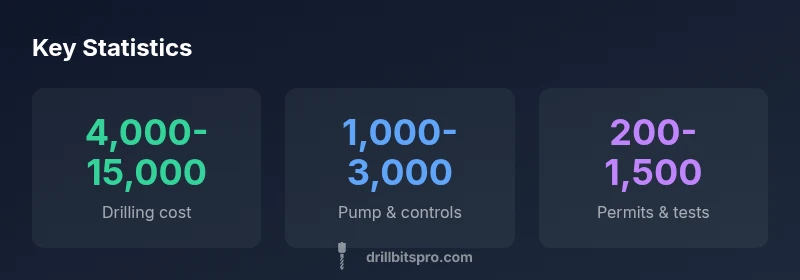
How much does it cost to drill a new well? In broad terms, residential drilling sits roughly between $4,000 and $15,000 for shallow wells, with deeper or more complex installs ranging from $15,000 to $50,000 or more. Costs vary by depth, geology, location, permits, water testing, and pumping equipment. Always get multiple quotes to account for local geology and contractor pricing.
Cost overview: how the price is built
When people ask how much does it cost to drill a new well, the answer hinges on multiple interrelated factors. Geography plays a huge role, but depth, drilling method, and hydrogeology matter just as much. The Drill Bits Pro team emphasizes that the final price typically reflects the sum of four broad areas: (1) drilling operations, (2) equipment and installation, (3) site and permitting costs, and (4) testing and commissioning. A realistic initial quote will itemize these components, then roll in contingencies for weather, access, and unforeseen geology. In practice, you’ll often see a price range that captures all these variables rather than a single number. For DIYers and professionals alike, understanding these drivers helps you plan smarter and negotiate better with contractors. Acknowledge regional differences early, gather multiple bids, and insist on an itemized breakdown to prevent sticker shock later whether you’re in a humid coastal region or a dry inland area.
- Depth and diameter of the bore
- Geology (rock hardness, groundwater depth)
- Permitting and regulatory requirements
- Pumping system, tank, and controls
- Water testing and treatment needs
- Site access, grading, and scaffolding or rig mobilization
Major cost components
The largest portion of the budget typically goes to the drilling operation itself. Drilling depth is the most influential variable; deeper wells require more rig time, heavier casing, and additional drilling fluids. Beyond drilling, purchasers must budget for the well casing, sealing, verticality checks, and backfill. If the site requires heavy equipment travel, access roads, or blasting exclusions, those costs can add substantially. Pump selection and installation, along with a pressure tank and storage container, are also significant line items. Finally, a comprehensive program includes water testing, potential water treatment upgrades, and a final pump start-up/commissioning service.
- Drilling depth and bore size drive equipment needs
- Casing, grout, and well sealing requirements
- Pump, tank, and pressure switch setup
- Water testing and potential treatment solutions
- Site prep, access, and potential remediation
Regional and regulatory variations
Regulatory environments shape well costs as much as geology does. Some regions require stricter permitting, longer waiting periods for inspections, and more extensive water testing. In rural areas, the lack of nearby certified drillers can influence pricing due to travel time and minimum crew charges. In coastal zones, seasonal weather windows can affect mobilization costs and scheduling. The Drill Bits Pro analysis highlights that early budgeting should include permit fees, inspection costs, and potential water sampling by state or county programs.
- Permitting timelines can vary from a few days to several weeks
- Inspection charges are typically modest but may recur for certain well types
- Water testing is essential for safety and long-term reliability
Depth, rock, and water quality influence prices
Price scales with depth and rock hardness. Shallow wells in loose soils can be comparatively affordable, while hard rock requires more time, specialized bits, and more intense drilling fluids. Water quality determines the need for treatment equipment, filtration, and disinfection measures, which add to upfront costs and ongoing maintenance. If a well must be drilled through difficult terrain, or if the site requires trenching for electrical or pump lines, budget buffers should be increased. Real-world projects show a broad spectrum of outcomes depending on local geology and water abundance. Drill Bits Pro reiterates that accurate depth estimates and hydrogeological data from test borings can prevent surprise expenses later in the project.
- Deeper wells cost more due to rig time and materials
- Hard rock requires longer drilling cycles and stronger casings
- Water quality tests can drive treatment costs up
- Terrain and access impact mobilization and prep costs
Scenario-based cost estimates
Below are typical scenarios to illustrate how costs can shift. These estimates assume professional drilling and standard pumping setups, with site-specific variables left as a range. Use them as starting points for budgeting and ask your contractor for a precise quote after a site visit.
- Shallow residential well (50-120 ft): $4,000-$12,000 for drilling; add $1,000-$3,000 for pump and controls; total installed around $6,000-$20,000.
- Mid-depth residential well (150-350 ft): $12,000-$25,000 drilling; $2,000-$4,000 for pump-tank; total installed $15,000-$40,000.
- Deep or complex site (350-800 ft): $25,000-$50,000 drilling; $3,000-$8,000 for pump and controls; total installed $40,000-$100,000+ depending on treatment needs.
Note: These ranges reflect typical regional differences and site-specific challenges, not a single universal price. The Drill Bits Pro analysis emphasizes obtaining a firm quote based on a site visit and hydrogeological data prior to committing.
How to estimate costs and avoid surprises
A careful cost estimate starts with a site assessment. Request a hydrogeological survey or preliminary test bore if possible, since this minimizes the risk of drilling deeper than anticipated. When you receive quotes, ask for a line-item breakdown: drilling, casing, sealing, pump and storage, additional equipment, permits, water testing, and contingency. Verify the number of drill days, rig mobilization charges, and any minimum service fees. For most homeowners, a contingency of 10-20% is prudent to cover weather, access delays, or unexpected geology. Schedule early coordination with your utility and health authorities to align on permits and water sampling timelines. The Drill Bits Pro team suggests scheduling a post-installation pump start-up and performance check to confirm the system operates within design parameters.
Maintenance costs and long-term considerations
Installing a new well includes ongoing costs such as annual water testing, pump maintenance, and potential reseating of casings or resealing if groundwater changes occur. Budget for periodic inspections of the wellhead, wiring, and seals. A simple maintenance plan reduces the risk of premature failure and extends the life of the system. Consider warranties on the pump and tank, and discuss maintenance agreements with your drillers or local service providers. The Drill Bits Pro team recommends documenting the well’s design specifications, test results, and maintenance history for future reference.
Typical depths and costs by well depth category
| Category | Typical Depth | Estimated Cost Range |
|---|---|---|
| Shallow residential well | 50-150 ft | $4,000-$15,000 |
| Mid-depth residential well | 150-400 ft | $15,000-$40,000 |
| Deep or complex site | 400-800 ft | $40,000-$100,000+ |
| Total installed (drilling + pump + tests) | Varies by site | $6,000-$40,000+ |
Got Questions?
What is the biggest cost factor when drilling a new well?
Depth and geology largely determine the price because deeper holes and harder rock require more rig time, specialized bits, and longer drilling cycles.
Depth and geology are the biggest cost drivers because deeper holes and hard rock require more time and specialized equipment.
Do I need a permit to drill a well?
Most jurisdictions require some form of permit or notification for well construction. Costs vary by locality and may include inspection fees.
Yes, permits are typically required and can add to your timeline and cost.
Is it cheaper to drill in some regions than others?
Regional differences in labor, permitting, and geology mean costs vary widely. Rural regions may have lower drilling rates but higher mobilization costs.
Costs vary a lot by region due to labor, permitting, and geology.
Can I reduce costs by choosing a drilled well over a driven well?
Drilled wells generally provide deeper, more stable water sources but can be pricier than driven wells. Your site and water needs will determine the best method.
Drilled wells often cost more but provide reliable water; driven wells are cheaper but shallower.
How long does the process take from permit to completion?
Permitting can take days to weeks, and drilling plus commissioning may take several days to a few weeks depending on depth and weather.
Timeline varies by permit and depth, but expect several days to weeks total.
“Thorough planning and upfront hydrogeological data are the best ways to manage well costs.”
Top Takeaways
- Define your site and region early to anchor costs
- Depth and geology drive the majority of the budget
- Permits, tests, and equipment add meaningful sums
- Get multiple, itemized quotes before committing
- Plan for pumping equipment and maintenance in your budget