How to Drill for a Well: A Practical Step-by-Step Guide
Learn how to plan, drill, and test a safe water well with this practical, step-by-step guide. From permits to water testing, gain actionable guidance for DIY and professional projects.


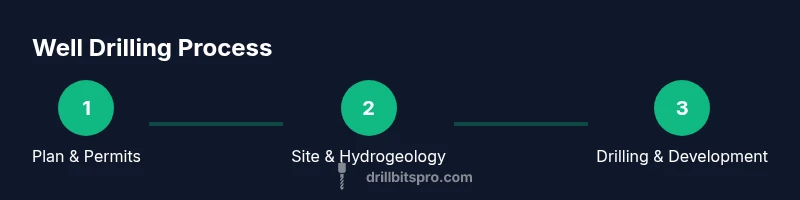
According to Drill Bits Pro, this guide helps you plan, permit, and safely execute a water-well drilling project from site selection through initial testing. You’ll learn essential safety practices, regulatory considerations, and practical, step-by-step actions you can follow whether you’re a DIY enthusiast or a professional. Ready to begin?
Site selection and regulatory considerations
Planning where to drill is as important as choosing the drill method itself. Start by reviewing local zoning rules, pumping rights, and water-use regulations. Obtain any required permits before you move to the site, and consult the local health or environmental department for groundwater protection guidelines. When possible, choose a location with good access for equipment, safe drainage, and minimal disruption to nearby structures. According to Drill Bits Pro, working with local authorities early reduces delays and helps ensure compliance throughout the project. During site assessment, document soil types, surface drainage, and potential contamination sources. This information guides both your drilling plan and future well maintenance, and it supports responsible stewardship of groundwater resources. A well-planned site also reduces the risk of hitting hidden underground utilities, which can be hazardous and costly to repair.
Resource assessment and water quality basics
Before a drill rig touches the ground, evaluate the hydrogeology of your area—what layers exist, how deep the water table sits, and how the aquifer behaves during seasonal changes. This helps set realistic expectations for well yield and sustainability. Drill Bits Pro Analysis, 2026 emphasizes that groundwater yield depends on aquifer depth, formation porosity, and rock interference, not just drill depth. Gather baseline data from nearby wells, if available, and compare static water levels across seasons. You’ll also consider water quality implications: turbidity, mineral content, iron, manganese, and potential bacterial contaminants. Early sampling is cheaper and faster than discovering problems after completion. If you’re in a high-risk area, plan for enhanced filtration and disinfection strategies from the outset to protect your future water supply. Keep in mind that some regions require water-quality testing as part of the permitting process.
Designing the well: casing, depth, and yield expectations
Design decisions influence long-term reliability. Select appropriate casing diameter and material to withstand soil conditions, corrosion risks, and potential downhole pressures. Depth targets depend on geologic layers and the water table; aim for a depth that reaches a stable aquifer while avoiding excessive drilling that adds cost and risk. Plan for grout seals and surface seals to prevent surface water intrusion. Yield expectations should factor in aquifer longevity, recharge rates, and seasonal variations. Remember, a well that meets minimum legal standards isn’t always the most productive option for your needs; discuss potential yield scenarios with a licensed professional and consider a contingency plan for drought conditions. Drill Bits Pro emphasizes prioritizing sustainable yield over maximum depth.
Drilling methods and equipment options
There are several drilling methods, each with trade-offs related to cost, speed, and hydrogeology. Common approaches include rotary drilling with mud or air, and percussion or cable-tool methods in certain soils. Your choice affects hole stability, well casing installation, and eventual water quality. Equipment options range from compact rigs for residential sites to larger setups for commercial projects. When selecting gear, match the method to soil type, depth goals, and access constraints. Always adhere to manufacturer safety guidelines and local regulations. The right method reduces wear on bits and minimizes borehole collapse risk, saving time and money in the long run.
Well development, testing, and sanitation
Post-drilling work focuses on cleaning the borehole, installing casing, and ensuring a sanitary, functional well. Develop the borehole by removing drilling fluids and fines until the water is clear. Install the casing with proper centralization and grout to prevent seepage. Conduct pump tests to verify yield and drawdown characteristics, and perform water-quality tests for bacteria, nitrates, and common minerals. Sanitation steps—such as a thorough disinfection of the well and storage tanks—protect future users. Document all tests, flows, depths, and maintenance steps to support ongoing safety inspections and potential resale.
Maintenance, safety, and long-term considerations
A well requires regular inspection, maintenance, and occasional resealing or rehabilitation as geology, pumping loads, and water quality change over time. Schedule routine checks of the pump, storage, and electrical components; assess delivery pressure and flow consistency; and monitor for sediment or taste/odor changes. Safety remains paramount: lockout-tagout procedures, proper trench and fence protection, and fall-arrest equipment when needed. Build a maintenance log and retrofit components as codes evolve or as your usage pattern shifts. Proactive maintenance protects water quality, reduces downtime, and extends the life of your well system.
Environmental and community considerations
Groundwater management intersects with environmental stewardship and community resources. Be mindful of nearby wells, surface water, and septic systems to prevent cross-contamination. Understand that water rights and permitting can vary by region, and ensure you’re compliant with local extraction limits and seasonal restrictions. Communicate your project plans with neighbors and consider sustainable yield practices to avoid depleting shared aquifers. Thoughtful planning minimizes ecological risk and builds community trust in your drilling project.
Tools & Materials
- Drilling rig or driver unit(Choose a unit appropriate for privately owned wells; ensure proper licensing where required)
- Casing (PVC or steel) and grid screen(Diameter and wall thickness should suit expected depth and formation stability)
- Grout and surface seal materials(Use approved grout mix and follow local codes for sealing the annulus)
- Drill bits and stabilizers(Select carbide-tipped bits for tough formations; bring extra sizes)
- Drilling fluids and mud system(Mud or air-based systems; follow manufacturer directions and safety protocols)
- Water-quality testing kit or lab access(Test for bacteria, nitrates, metals, and total dissolved solids)
- Safety gear(Helmet, eye protection, gloves, steel-toed boots, hearing protection, respirator if needed)
- Pumps, generator, and electrical connections(Ensure safe, compliant setup with weatherproof outlets)
- Temporary containment and drainage solutions(Plan for sediment control and site runoff management)
- Documentation tools(Field book, camera, GPS, and schematic templates)
Steps
Estimated time: 2-5 days
- 1
Plan the project and obtain permits
Map the project scope, consult local regulations, and secure necessary permits before fieldwork begins. Prepare a risk assessment and outline responsibilities for all workers. Confirm that utility locating services have flagged buried lines on the site.
Tip: Document permit numbers and contact details for quick reference. - 2
Choose a site and perform a survey
Select a location with good accessibility, drainage, and minimal disturbance to structures. Conduct a topographic check, note water table indicators, and mark the drill path to avoid underground utilities.
Tip: Verify access permissions with the landowner and ensure a safe egress path. - 3
Check local geology and hydrology data
Review geological maps and hydrogeologic reports for your area. Compare nearby wells to estimate depth ranges and aquifer characteristics. Use this data to inform depth targets and casing design.
Tip: If data is unclear, plan for conservative depths and reserve resources for contingencies. - 4
Prepare the drill site and safety measures
Clear the area, establish barriers, and set up a drainage plan. Install temporary supports and ensure all personnel wear PPE. Check weather conditions and plan for safe, controlled operations.
Tip: Create a clean, uncluttered workspace to reduce tripping hazards. - 5
Set up drilling rig and support equipment
Position the rig on solid ground, connect power and fluid systems, and verify ground stability. Install initial casings, stabilizers, and safety devices before drilling begins.
Tip: Do a pre-start check of all hoses, fittings, and connections. - 6
Begin drilling and manage borehole stability
Start with shallow boreholes and progress slowly, watching for borehole collapse indicators or sticking drill pipes. Adjust drilling fluid or air flow as needed to maintain hole stability.
Tip: If the hole shows signs of instability, pause and re-evaluate casing placement. - 7
Install casing, grout, and surface seal
Insert the casing to the designed depth, grout around it, and place a surface seal to block surface water entry. Verify vertical alignment and avoid fractures or gaps along the annulus.
Tip: Confirm grout mix and cure time per local standards. - 8
Test water quality and yield
Purify and test the initial water sample for bacteria, nitrates, metals, and other constituents. Conduct a pump test to assess yield and drawdown behavior under typical usage.
Tip: Document test results and plan for follow-up sampling after commissioning. - 9
Finish, seal, and document records
Seal all openings, clean the site, and store records of depth, casing, tests, and maintenance for future reference. File any required disclosures with local authorities.
Tip: Create an as-built diagram and store it with the job notes.
Got Questions?
What permits are typically required to drill a residential water well?
Permit requirements vary by region, but most areas require a drilling permit, a water-right assessment, and a final well completion report. Contact your local building or environmental agency to confirm exact documents and timelines.
Most areas need a permit and a final completion report; check with your local agency to be sure.
How deep should a residential well typically be?
Depth depends on local geology and aquifer depth. Rather than a fixed number, aim for a depth that reaches a stable aquifer while allowing for safe drilling and future maintenance.
Depth varies by area; consult local hydrogeology data for realistic targets.
What is the best casing material for a well in mixed soils?
PVC is common for residential wells due to corrosion resistance and ease of handling, while steel may be used in certain conditions. Selection should align with soil chemistry and depth, and comply with local codes.
PVC casings are typical for homes; check soil and code requirements.
How soon should water be tested after drilling?
Test water quality as soon as the well is developed and water is drawn. Re-test after initial uses and seasonal changes to ensure ongoing safety and compliance.
Test water quality right after development and then periodically.
What maintenance is needed for a new well?
Schedule regular pump checks, filter replacements, and sanitary inspections. Document water-quality changes and address any sediment or odor issues promptly.
Keep up with pump maintenance and water tests to protect safety.
Watch Video
Top Takeaways
- Plan permits and site before any drilling.
- Assess hydrogeology to set realistic yield goals.
- Choose appropriate casing and depth for soil conditions.
- Test water quality early and after development for safety.
- Maintain thorough records for compliance and maintenance.