Which Drill Bit for Drywall: A Practical Guide
Learn which drill bit works best for drywall, when to use twist bits, drywall bits, or hole saws, and how to prep holes safely for anchors and screws. Practical, step-by-step guidance for DIYers and pros.


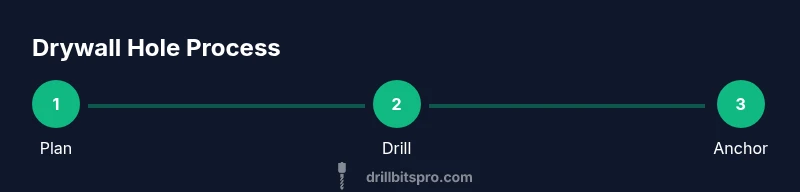
To drill drywall effectively, start with a sharp twist bit sized for your chosen hole or anchor. Avoid masonry bits. For anchors or screws, use a pilot hole and proper size, then insert the anchor and drive the screw. Tape the surface to prevent chipping, and verify there are no hidden wires before drilling.
Understanding drywall and drill bits
Drywall is a soft, gypsum-based panel that forms the interior walls of most homes. It accepts holes easily, but care is required to prevent cracks, spalling, or accidentally hitting studs, electrical boxes, or plumbing behind the surface. According to Drill Bits Pro, selecting the right drill bit for drywall reduces surface damage and improves anchor performance. The type of bit you choose depends on the task: small holes for mounting hardware, larger holes for wiring, and the need to avoid penetrating studs behind the drywall. A sharp, clean-cutting edge minimizes dust and improves control, making a big difference in professional results for both DIYers and tradespeople.
In most drywall drilling scenarios, a standard twist drill bit is the workhorse. These bits cut through the soft gypsum core with minimal resistance when sharp and properly sized for the intended hole. Specialized drywall bits exist, but they are often unnecessary for basic mounting. The key is to avoid using bits intended for masonry or metal when drilling through drywall alone, as they can splinter the surface and create ragged edges. For best results, keep a small tool kit with a few sizes and a dedicated set for drywall tasks.
note():null},
Choosing the right drill bit for drywall
When choosing a drill bit for drywall, your decision should hinge on the hole’s purpose. For pilot holes for screws and anchors, a sharp twist bit designed for wood or metal works well, provided you pick the size appropriate for the anchor or screw in use. If you need a larger opening—for example, to pass wiring or to mount a box—a hole saw or spade bit can be used, but these are less common for typical wall mounting. Drywall-specific bits or drywall anchors guide the process; however, the most important factor is maintaining a perpendicular angle and controlling cut depth. The Drill Bits Pro team emphasizes testing sizes on a scrap drywall piece when in doubt, to prevent over-drilling.
For tasks that involve going into the wall to reach behind the surface, do not guess the location. Use a stud finder to locate studs, wires, and pipes before you drill. Hitting a wire is dangerous and requires turning off power and re-evaluating the drilling location. Always mark your spot clearly, and consider using painter’s tape to keep the bit from wandering as you start the hole.
note():null} ,
Drill bits for anchors and large holes
Not every task needs a specialized drywall bit. For anchors, you want a hole that matches the anchor’s diameter: too small and the anchor won’t fit; too large and it will be loose. A standard twist bit sized for the intended hole is usually sufficient for most light-duty anchors. For electrical boxes or larger fixtures, a hole saw set can create clean, round openings with less chance of tearing the drywall surface. If you anticipate hitting metal studs or masonry behind the drywall, you may need a masonry bit or a pilot-hole approach matched to the material behind the drywall. Plan ahead and choose the bit that yields a clean edge with minimal dust.
Remember: larger holes require more careful handling to avoid damaging the surrounding drywall. If you’re unsure about behind-wall conditions, use a stud finder and a low-risk pilot-hole approach first. The goal is to create a precise, clean opening that your anchors or screws can grip securely without compromising the wall.
note():null} ,
Prep, marking, and safety before you drill
Preparation is the quiet hero of a clean drywall job. Start by clearing the work area and laying down drop cloths. Use masking tape over the drilling line to minimize chipping and to help keep the bit from wandering when you begin cutting. Mark the hole center with a pencil, then double-check with a stud finder or a magnet to locate any studs behind the drywall. Wear safety glasses to protect your eyes from dust, and keep a damp cloth or brush handy to remove debris as you work. Drill bits should be sharp and kept cool by light, steady pressure rather than forcing the bit through the surface.
The Drill Bits Pro guidance emphasizes controlling entry angle and maintaining a stable wrist to prevent the drill from walking away from the mark. If you’re drilling into a wall with existing fixtures, turn off power at the breaker and verify there are no live wires in the drill path. These steps reduce the risk of damage and injury while creating a precise opening for your mounting hardware.
note():null} ,
Drilling technique for a clean drywall hole
Begin at a slow speed and apply gentle pressure. Let the bit do the cutting without forcing it; forcing can tear drywall paper and create rips around the hole. Keep the drill perpendicular to the surface for a straight edge. If the bit stalls or starts to wander, stop, retract, re-align, and retighten pressure before continuing. For small pilot holes, a quick touch often suffices; for larger holes, drill gradually with multiple passes rather than trying to cut the full diameter in one go.
Dust control matters: pause to wipe away debris, which helps you see the center and ensure the hole remains on target. After the drill passes through the drywall, inspect the hole for clean edges. A clean edge accepts anchors and screws more securely and reduces the chance of the drywall fibers peeling around the edge.
note():null} ,
Anchors, screws, and electrical considerations
Choose drywall anchors appropriate to the weight and type of fixture you plan to mount. For light items, plastic anchors and small screws work well with a small pilot hole; for heavier objects, consider metal anchors or toggle bolts. Always verify behind the wall before drilling; if you hit a stud you may need to re-route or choose a different mounting location. When driving screws, start slowly and let the bit guide the screw in to prevent cam-out or drywall damage.
If you encounter resistance or a loose edge around the hole, stop and assess the hole size and anchor choice. A proper match between hole size and anchor ensures a secure mount and avoids the need to retrofit later. The goal is clean, precise holes that support fixtures without cracking or compromising the wall surface.
note():null} ,
Finishing, patching, and long-term care
After drilling and installing anchors, inspect the hole for any chips or loose paper. Use a small amount of spackle or joint compound to fill tiny gaps, then sand lightly once dry. If you need to repaint, feather the edges to blend the patch with the surrounding drywall. Store drill bits in a protective case to maintain sharpness and avoid dulling the bit edge. Keeping your drill bits clean and dry reduces rust and extends tool life, especially in humid workshop environments.
The overall result should be a smooth, flush hole that accepts screws or anchors without obvious patching. With proper technique and the right bit, drywall mounting becomes straightforward rather than frustrating. Drill Bits Pro recommends a quick post-project check to confirm the mount remains secure and the wall surface is intact.
note():null} ,
Tool care, storage, and quick reference
Rotating through a few go-to bits saves time on future drywall projects. Keep a small selection of sharp twist bits in a labeled case and replace dull bits promptly. Store tools away from moisture to prevent rust. Before your next job, wipe the bits clean, check for burrs, and apply a light coat of oil if storing long-term. A prepared toolbox makes drywall drilling faster and safer for both DIYers and professionals.
note():null}
Tools & Materials
- Cordless drill(Low-to-moderate speed; ensure charged battery and a comfortable grip)
- General-purpose twist drill bit(Sharp; choose sizes appropriate for the hole/anchor you plan to use)
- Masking tape(Prevents chipping and helps start the hole accurately)
- Pencil(Mark drilling points clearly)
- Safety glasses(Eye protection against dust and debris)
- Stud finder(Locate studs behind drywall to avoid accidental drilling into them)
- Drywall anchors and screws(Choose anchors suitable for the fixture and wall type)
- Hole saw bit set(For larger openings (e.g., electrical boxes) behind drywall)
- Masonry bit(Only if you anticipate drilling into masonry behind drywall)
Steps
Estimated time: 20-30 minutes
- 1
Plan hole locations
Identify exact centers for mounting or pass-throughs. Use a stud finder to avoid studs and hidden utilities. Mark with a pencil and tape the area to keep the bit from wandering.
Tip: Double-check measurements and behind-wall conditions before drilling. - 2
Prepare the surface
Place masking tape over the drilling line to reduce chipping and increase control. Confirm the center mark again before drilling.
Tip: Tape helps keep the bit aligned and reduces edge tearing. - 3
Choose the correct bit size
Select a bit size that matches your anchor or screw. When in doubt, start small and test on scrap drywall if available.
Tip: If you’re unsure, test on a scrap piece to avoid oversized holes. - 4
Set the drill to a slow speed
Lower the drill speed and apply light, even pressure. Let the bit cut through the drywall rather than forcing it.
Tip: Keep the drill perpendicular to the wall to prevent angled holes. - 5
Drill the hole
Begin at the marked center, maintain a steady pace, and stop as soon as you reach the desired depth. Withdraw slowly if the bit binds.
Tip: If the bit stalls, back out and realign before continuing. - 6
Clear dust and insert anchor
Remove dust with a small brush or blower, then insert the anchor or pass-through fitting. Tap lightly to seat if needed.
Tip: A clean hole helps the anchor grip better. - 7
Drive the screw or fixture
Place the screw into the anchor and turn slowly, letting the screw bite without cam-out. Finish flush with the surface if appropriate.
Tip: Use a screwdriver for better control to avoid stripping." - 8
Finish and inspect
Wipe away dust, patch any minor chipping, and verify the fixture is secure. Store tools properly for next time.
Tip: Keep the area dry and cool to extend the life of bits.
Got Questions?
What drill bit should I use for drywall?
For most drywall tasks, a sharp general-purpose twist drill bit works well. Avoid masonry bits, which can tear the surface. Use a bit size that matches your anchor or screw to ensure a secure fit.
Use a sharp twist drill bit for drywall; avoid masonry bits, and match the bit to your anchor size for a secure fit.
Do I need a stud finder before drilling into drywall?
Yes. A stud finder helps you locate studs and avoid them when you don’t intend to anchor into a stud. It also helps you choose a mounting point that will better support the fixture.
Yes, use a stud finder to locate studs and avoid drilling into them unless you plan to anchor there.
Can I drill large holes in drywall for electrical boxes?
Yes, but this usually requires a hole saw or a larger drill bit designed for clean edges. Ensure you’re not hitting hidden wires or pipes and follow safety guidelines.
You can, using a hole saw or larger bit designed for clean edges, but beware hidden wires.
What safety gear should I wear when drilling drywall?
Wear safety glasses to protect your eyes from dust, and use a mask if the space is dusty. Keep long hair or loose clothing away from the drill.
Wear safety glasses and a dust mask if needed, and keep loose items away from the drill.
Should I pre-drill into studs or behind drywall?
If you’re mounting something heavy or going into a stud, pre-drill into the stud with a bit appropriate for wood. For most anchors, you’ll drill into the drywall itself rather than the stud.
Pre-drill into studs when attaching heavy items; otherwise drill into drywall with the proper anchor.
How do I fix a chipped drywall edge after drilling?
Lightly sand the edge, apply a bit of patch compound, and feather the edge to blend with the wall. Allow it to dry and sand smooth before repainting.
If you chip it, patch and sand smoothly, then repaint for a seamless finish.
Watch Video
Top Takeaways
- Use a sharp twist bit for drywall projects
- Always verify behind the wall before drilling
- Match hole size to the anchor or screw you will use
- Drill at slow speed with gentle pressure for clean holes
- Patch and finish holes for a professional look