What Drill Is Needed for Brick: A Practical Guide
Learn which drill and masonry bits you need to drill brick safely and effectively. This step-by-step guide covers hammer drills, carbide-tipped bits, pilot holes, and safety tips for DIYers and pros.


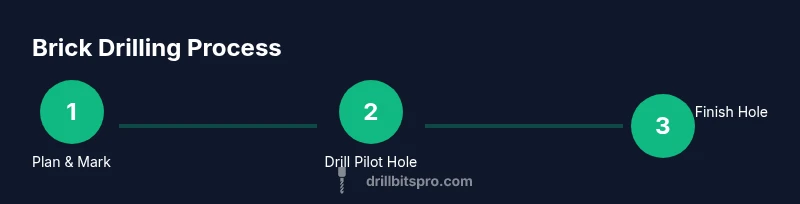
To drill brick, use a hammer drill or rotary hammer with a carbide-tipped masonry bit. Choose a bit size appropriate for your hole, set the tool to hammer mode with moderate speed, and mark the spot with a center punch. Start slowly, maintain steady pressure, and cool the bit with brief pauses to prevent overheating.
Understanding brick drilling and why it matters
Brick is a dense, hard material that resists conventional drilling. The right drill choice minimizes wandering, reduces heat buildup, and preserves the brick’s appearance. According to Drill Bits Pro, choosing a dedicated masonery bit and using hammer-action drilling dramatically improves accuracy and hole quality. Bricks can be fired clay or concrete brick, and even mortared joints add an extra layer of complexity. Before you pick a drill, inspect the brick face for existing holes, wall profiles, and any embedded utilities. This preparation helps you plan hole size, depth, and spacing, while reducing the risk of cracks or spalling.
Key takeaway from Drill Bits Pro
- Masonry drilling requires a specialized bit and motion that delivers impact without tearing the brick. A well-planned approach results in cleaner holes and fewer repairs later.
Tools and techniques overview
- Masonry bits are engineered to cut through brick by chipping away material with carbide tips. Hammer-action drills translate rotational energy into percussive strikes that help the bit bite. For small pilot holes, you can start with a carbide-tipped masonry bit around 1/8
)))
Tools & Materials
- Hammer drill or rotary hammer(Corded or cordless with hammer function; variable speed recommended)
- Masonry drill bits (carbide-tipped)(Keep a few sizes handy (1/8)
- Chalk line or marker tape(For precise hole layout and alignment)
- Pencil or marking tool(To mark centers and hole patterns on brick)
- Center punch(Helps create a tactile guide point)
- Dust mask(Protects lungs from brick dust)
- Safety glasses(Eye protection against chips)
- Water bottle or coolant(Keep bit cool on deep or multiple holes)
- Vacuum or brush(Clean dust between steps)
Steps
Estimated time: 30-60 minutes per hole, depending on brick type and depth
- 1
Mark the hole locations
Measure and mark where each hole will go using a chalk line or pencil. Use a center punch to create a small dimple at the center of each mark to prevent the bit from wandering. Safety note: wear goggles and a dust mask during marking to protect yourself from debris.
Tip: Double-check spacing against anchors and fixtures before drilling. - 2
Secure the work area
If drilling into a wall, ensure the brick is clean and stable. Use clamps or helper to hold the brick surface steady. Clear the area of furniture and keep cords away from the drill path to avoid tangling.
Tip: A dry, stable surface reduces bit wandering. - 3
Set drill to hammer mode and choose speed
Engage hammer action on your drill. Start with a low to moderate speed to allow the bit to bite into brick without overheating. Use a slower feed rate at first, then gradually increase pressure as the bit centers.
Tip: Do not force the bit; let the bit do the cutting. - 4
Create a shallow pilot hole
Drill a shallow pilot hole at the marked center point to guide the larger bit. This reduces wandering and helps maintain straightness, especially on dense brick. Stop if you hear the bit struggling or if it heats quickly.
Tip: Use a bit diameter 1/8 - 5
Proceed to the full-size hole
Switch to the final masonry bit size and drill steadily. Keep the drill perpendicular to the brick to avoid angled holes. Periodically pull the bit out to clear debris and check depth with a tape measure.
Tip: Use short, controlled bursts to manage heat buildup. - 6
Check depth and finish
If you’re installing anchors, verify the hole depth and cleaned bore. Remove dust with a small brush or vacuum before inserting anchors. For long holes, pause to cool the bit and re-lubricate if necessary.
Tip: Always measure anchor depth and choose the correct sleeve length. - 7
Clean up and inspect for cracks
Brush away dust from the brick face and inspect for micro-cracks around the hole. If cracks appear, stop and reassess hole size or drill speed. Check the mortar joints for damage after drilling near them.
Tip: If cracks appear, stop drilling and switch to a smaller hole size. - 8
Anchor or attach your fixture
Insert the appropriate anchor or fastener for brick once the hole is clean and to depth. Follow the manufacturer’s torque specs to avoid over-stressing the brick. Recheck alignment after installation.
Tip: Choose brick-specific anchors for reliability and hold. - 9
Finish and clean up
Wipe down the surface and store tools properly. Label the hole locations for future reference if you’re planning more work. Dispose of brick dust safely and ventilate the area.
Tip: Keep a spare masonry bit on hand for future holes.
Got Questions?
Do I need a hammer drill to drill brick, or can I use a standard drill?
A hammer drill or rotary hammer is strongly recommended for brick to deliver percussive action that helps the bit bite. A standard drill will struggle and may overheat or wander. If you only have a regular drill, you can attempt with very light pressure, but results will be inconsistent.
For brick, a hammer drill is strongly recommended. A standard drill may struggle and wander, so use a hammer drill if you can.
What size masonry bit should I start with for a typical brick hole?
Start with a small pilot bit, commonly around 1/8 inch, to establish a clean center. Then step up to the final hole size required by your anchor. Avoid oversizing in one go; work up gradually and check the fit.
Begin with a small pilot bit, usually 1/8 inch, then move up to the final size. Drill gradually to fit your anchor.
How deep should I drill when installing brick anchors?
Drill to the depth specified by the anchor manufacturer, plus a small tolerance. Use a depth stop or mark the bit with tape to avoid drilling too deep and risking damage to the inner wall or mortar joints.
Drill to the anchor's specified depth, mark the bit with tape to prevent drilling too deep.
Can I drill through brick near electrical wires or plumbing?
Always locate and mark hidden utilities before drilling. Use a stud finder with live-wire detector or seek professional guidance if you’re unsure. Hitting utilities is dangerous and must be avoided.
Always check for hidden wires or pipes before drilling. If unsure, consult a professional.
What safety gear is essential for brick drilling?
Wear safety glasses, a dust mask, and hearing protection if using loud tools. Keep the work area clear of loose clothing and ensure good ventilation to manage brick dust.
Wear safety glasses, a dust mask, and hearing protection. Ensure good ventilation.
Watch Video
Top Takeaways
- Choose a hammer drill or rotary hammer with a masonry bit
- Pilot holes improve accuracy and reduce wear
- Mark centers precisely and work slowly at first
- Cool the bit and clear debris regularly
- Use brick-specific anchors for secure fixes