What Drill to Use to Drill into Concrete: A Practical Guide
Discover which drill and bits work best for concrete, plus step-by-step techniques, safety tips, and maintenance for long-lasting performance.


Why the Right Drill Choice Matters
When you’re planning to drill into concrete, your choice of drill and bits determines hole quality, drilling speed, and bit life. The question what drill to use to drill into concrete isn't universal; it depends on the concrete type, hole size, and whether you’ll need a clean entry for anchors or fasteners. A mismatch between tool and material leads to chipped edges, bit dulling, and extra effort. This article, backed by Drill Bits Pro insights, breaks down the best drills for concrete and how to pair them with the right masonry bits. We’ll cover hammer drills, rotary hammers, SDS tools, and proven techniques to extend bit life and protect your work surface. Expect practical comparisons, real-world scenarios, and safety-first guidance designed for DIY enthusiasts and professionals alike.
In many jobs, you’ll encounter concrete substrates from poured concrete walls to brick-infused cores. Each substrate has different fracture behavior, porosity, and reinforcement that influence how aggressively you can cut. Knowing the drill type and bit geometry helps you minimize edge breakout and heat buildup. Drill Bits Pro’s analysis shows that tool choice has a measurable impact on hole roundness and alignment, especially for anchors or electrical boxes. The goal is to pick a setup that maintains control, reduces chatter, and yields durable results that won’t require re-drilling.
Concrete Hardness and Drill Technologies: What Works
Concrete hardness varies with mix design, aggregate, and curing conditions. For most DIY tasks, you’ll rely on two main tool families: hammer drills and rotary hammers. A hammer drill combines rotational motion with percussive action, enough for most household jobs and light masonry. A rotary hammer delivers a more powerful impact and is better for dense or reinforced concrete, as well as larger holes. SDS bits (Special Direct System) and carbide-tipped masonry bits are built to resist wear under impact and provide aligned cutting. The technology you choose should match hole size, required precision, and the presence of reinforcement bars. For precision work, talk through anchor sizes and drill depth before starting. Always ensure your bit is sharp and true to maximize cutting efficiency and minimize heat.
For metal and masonry anchors, copper, concrete screws, or epoxy anchors, selecting the right combination reduces stress on the bit and preserves the substrate. Carbide-tipped bits last longer when drilling through tough concrete, while spade or standard drill bits quickly dull. The takeaway is simple: pair the right drill (hammer vs rotary) with a properly sized masonry bit, and maintain a cool cutting edge through controlled feeds and, if needed, intermittent drilling pauses to clear debris.
Hammer Drill vs Rotary Hammer: When to Use Each
Choosing between a hammer drill and a rotary hammer is one of the most important decisions for concrete work. If you’re drilling smaller holes (up to 3/8 inch to 1/2 inch), a good hammer drill with a masonry bit can deliver solid results without excessive vibration. For larger holes or deep bore paths (3/4 inch and above), a rotary hammer with a carbide-tipped bit is typically the better choice because of its higher impact energy and efficient material removal. If you’re anchoring heavy equipment or installing large fasteners, an SDS-plus or SDS-max rotary hammer can offer better control and longer bit life with appropriate bits.
Always verify the tool’s rated impact energy and ensure it’s compatible with your bit system. Using a standard hammer drill with an oversized bit can cause bit wobble, premature wear, and cracked concrete. If you expect to drill through reinforcement bars, stop and consider drilling with a smaller pilot hole first, then enlarge using the final bit size. Safety features such as anti-kickback and variable speed control can help you manage tougher jobs more predictably.
Masonry Bits and Carbide Tips: The Foundation of Clean Holes
The masonry bit is the heart of a successful concrete hole. For maximum durability, choose carbide-tipped bits with reinforced shanks designed for impact drilling. In most cases, 1/4 inch to 1/2 inch bits are common for DIY fencing, electrical, or plumbing work, while larger holes for anchors or conduit may require 5/8 inch, 3/4 inch, or larger pilot bits. Carbide tips cut through hard surfaces with reduced wear, while properly hardened steel shanks resist snapping under the percussive load.
When selecting bits, consider the bit’s flute design for effective dust removal. Flutes with more surface area move debris away from the cutting edge, which helps maintain cutting efficiency and reduces heat. If you’re drilling into reinforced concrete, you’ll often drill a pilot hole using a smaller carbide bit to guide the larger final bit more accurately. Keep spare bits on hand and rotate through them to distribute wear evenly.
Drill Bit Sizes and Pilot Holes: Planning Your Hole
Effective concrete drilling begins with accurate planning of bit size and hole depth. Start with a small pilot hole to establish the drill’s position and keep your aim true. Pilot holes also reduce stress on larger bits by providing a guided path and allowing dust to clear, which improves cutting efficiency. For anchor installations, determine the anchor diameter and drill depth required by the manufacturer and reflect those measurements in your pilot hole plan. From there, incrementally enlarge the bore by stepping up through standard bit sizes. This approach minimizes bit drift and ensures a clean entry.
Always measure and mark your depth with tape or a depth stop, especially for embedded anchors or sleeves. If you’re unsure of the final hole diameter, you can gradually work up through sizes while pausing to clear debris and re-check the alignment. If you encounter rebar, switch to a smaller pilot hole and use a specialized rebar-cutting guide.
Lubrication, Cooling, and Dust Control
Concrete drilling generates a lot of heat and fine dust, which can wear bits and create a messy work area. The standard guidance for dry drilling is to proceed in short bursts, allowing the bit to cool between passes. For larger holes or denser concrete, many professionals prefer a light mist of water to cool the bit and wash away dust. However, water can complicate electrical safety, so if you’re using a corded drill, ensure it’s unplugged before any water contact or opt for dry drilling with a vacuum. If you choose to use water, do so cautiously and consider a splash guard or extraction system designed to handle slurry. Debris control reduces cleanup time and minimizes the chance of bits binding in the material.
Dust collection is essential. A shop vacuum or dedicated dust extractor connected near the drill keeps the work area cleaner, improves visibility, and reduces respiratory exposure. Keep dust masks or respirators on hand for larger debris tasks. Always check for wet areas, power cords, and plug conditions before proceeding with any cooling method.
Safety Gear and Setup: PPE and Work Area
Preparing a safe work environment is foundational to any concrete drilling project. Wear safety glasses or goggles to protect your eyes from flying chips. A dust mask or respirator is essential when dust is generated, and hearing protection helps during extended drilling sessions. Gloves can provide grip and protect your hands from sharp edges, while a hard hat may be appropriate for overhead drilling. Ensure your workpiece is secured with clamps or a vise to prevent movement during drilling.
Create a clean, well-lit workspace. Move away flammable materials, ensure adequate ventilation, and keep a clear exit path in case of tool kickback. If you’re drilling high on a wall or ceiling, consider a stable ladder or scaffold and a second pair of hands to assist with bit changes. Finally, inspect your drill and bit for wear before each use; a dull bit or a loose chuck can cause slip or damage.
Step-By-Step Overview: Marking, Setting Up, and Starting
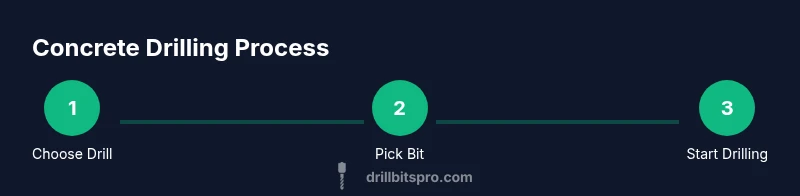
Before you begin, plan your hole’s position, diameter, and depth, then gather your tools and secure the work surface. Mark the spot precisely using a center punch or a sharp, shallow pilot hole to establish the correct starting point. Attach the appropriate masonry bit to your hammer drill or rotary hammer, ensuring the bit is fully seated and chucked. Set the drill to a low speed, engage the percussion mode, and begin drilling with a steady, perpendicular motion. Pause to clear dust and verify vertical alignment frequently, adjusting as needed. After reaching the desired depth, withdraw the drill slowly to minimize edge breakout. If you’re drilling near edge conditions or through reinforcement, use pilot holes and smaller diameters first to reduce stress and crack propagation.
As you progress, maintain consistent pressure—too much force can cause bit binding or misalignment. If you encounter resistance, stop and inspect for dust buildup or material hardness. If the hole needs to be wider, switch to the next-bit size and repeat the process with care. Finally, clean the hole and remove debris before installing anchors or fasteners. This approach minimizes damage to the surrounding concrete and improves the stability of the final installation.
Common Pitfalls and How to Avoid Them
A few common mistakes can derail a concrete drilling project. Drilling with a dull or undersized bit creates heat and wears tools faster, so keep bits sharp and select the correct diameter for the job. Using too high a speed or excessive pressure can cause edge breakout, binding, and poor hole quality. Drilling without dust collection increases exposure to silica dust and dirt, complicating cleanup and potentially harming health. Ignoring pilot holes for large holes leads to bit wandering and misalignment. When reinforcement bars are present, forcing the bit can damage both the tool and the structure; instead, use a pilot hole, smaller diameter, or a specialized rebar-cutting approach.
A key tip is to pause frequently to clear debris and check alignment. Another pitfall is attempting to use a standard drill with large bits on concrete; this places undue stress on the chuck and can cause bit wobble. Finally, neglecting safety gear or power-off checks can create serious hazards. Stay disciplined about PPE, tool checks, and workspace organization to minimize risk.
Maintenance and Care for Concrete Drilling Bits
Your bits are the best investment in drill longevity. After each use, inspect the bit for chips, cracks, or dull edges. Clean off concrete dust, which is abrasive and can accumulate in the cutting edge. For carbide-tipped bits, avoid both overheating and sudden impact; if you hear squealing or feel unusual resistance, pause and inspect. Keep the chuck tight and avoid banging the bit tip on surfaces when changing bits. Store bits in a dry, organized case to prevent rust and exposure to moisture that could degrade the shank or carbide tip. If you plan heavy use, consider rotating through a short list of spare bits to distribute wear evenly. Regularly sharpen or replace worn bits; the cost of replacement is far less than the time wasted on failed holes.
When to Hire a Pro: Complexity and Hole Requirements
Not every concrete task is suited for DIY drilling. If you require precise, large-diameter holes, anchors at heavy load points, or if you’re working with exceptionally dense green or pre-stressed concrete, it may be more efficient to hire a professional. A pro has access to industrial-grade rotary hammers, dust collection, vibration control, and calibrated depth control to guarantee straight, clean holes. For projects involving critical structural elements, a pro’s assessment can prevent costly mistakes and ensure compliance with code requirements. Consider a professional if the hole diameter is over an inch, if you encounter unexpected reinforcement, or if the site has restricted access to proper dust management equipment.
Final Thoughts: Getting the Right Drill for Concrete
Choosing the right drill to drill into concrete is foundational to project success. A careful assessment of your concrete type, hole size, and anchoring needs will guide you to the right tool—be it a hammer drill for smaller holes or a rotary hammer for larger, reinforced work. Pair the tool with a sharp carbide-tipped masonry bit, observe safe operation, and use dust collection to minimize exposure and cleanup. With proper preparation and technique, you’ll achieve clean, accurate holes with less effort and greater peace of mind. Drill Bits Pro’s guidelines emphasize matching tool power to job scope, planning hole dimensions, and maintaining equipment for longevity and performance.