Which Drill Bit for Cuticles: A Nail Drill Guide
Discover which drill bit for cuticles is safest for nail work. Learn bit shapes, selection tips, step-by-step techniques, and essential safety and maintenance insights from Drill Bits Pro.


To safely prep cuticles with a nail drill, choose a small, fine bit designed for delicate tissue, run it at the lowest safe speed, and practice light pressure. For most cuticle work, a teardrop or cone bit with rounded edges works best; avoid aggressive carbide bits on living skin. Keep the bit clean and sterilized between clients.
Why the Right Drill Bit for Cuticles Matters
Choosing the correct drill bit for cuticles is essential to protect living tissue while achieving a neat, professional finish. The skin around the nails—the eponychium and surrounding cuticle—can be sensitive, and the wrong tool can cause irritation, micro-tears, or heat buildup. According to Drill Bits Pro, selecting a bit with a fine profile and a gentle edge reduces the risk of trauma when working close to the nail plate. In many cases, the goal is to lift excess cuticle without gouging or scraping skin. This is not about aggressive material removal; it is about controlled, careful refinement of the adherent skin and the surrounding area. The habit of using a light touch and proper hygiene translates into better client comfort and longer-lasting results.
Remember: the goal of using a drill in cuticle work is precision, not speed.
Understanding bit shapes and materials
Not all drill bits are created equal for cuticle work. The most common shapes used near the cuticle area are teardrop and cone bits. These profiles offer a gentle contact surface that can follow the natural curvature of the nail without digging into the skin. In terms of materials, smooth-grit steel or carbide variants can be effective when used at very low speeds, but a finer grit minimizes heat transfer and the chance of micro-abrasions. Diamonds are often too aggressive for living tissue around the cuticle and should be avoided for this delicate task unless you're an experienced technician with explicit training. The key is balance: a small, rounded profile with a soft touch can gently lift debris and recontour the cuticle edge without harming surrounding tissue. When in doubt, start with a smaller diameter and a gentler cut.
If you’re unsure which drill bit for cuticles will best suit your technique, practice on a synthetic nail or practice finger to build confidence before working on a real client.
How to choose the right bit for cuticles
Selecting the right drill bit for cuticles depends on several factors: the thickness of the cuticle, the curvature around the nail, and your comfort level with the tool. For most beginners and intermediate technicians, a teardrop or small cone bit with a smooth edge is a safe default choice for the delicate zone around the nail. Avoid fluted or highly aggressive bits that tend to grab skin. If you work on a client with particularly sensitive skin, consider starting with a surgical-grade, fine-grit bit and increase aggressiveness only after verifying there’s no skin contact that could lead to irritation. A good rule of thumb is to choose the smallest practical diameter and the smoothest edge first; you can always switch to a larger size if needed. The phrase which drill bit for cuticles will often guide your choice, but you should corroborate your decision with your vast experience, your training, and your state’s regulations on tool usage.
Preparing your workspace and tools
Preparation is critical when using a drill bit for cuticles. Clean and sanitize the workstation, ensure your drill is functioning properly, and verify that you have the right bit installed before you begin. Wear protective eyewear and a dust mask to minimize exposure to dust and debris. Use a dedicated, sterilized bit for each client to reduce the risk of cross-contamination. It’s wise to have a sterile wipe, alcohol for tool sanitation, and a dedicated cleaning brush on hand. Hydrating the surrounding skin with a light moisturizer before work can reduce friction-related heat buildup. If you’re unsure which drill bit for cuticles to pair with your current drill, test on a practice finger and observe the tool’s behavior before proceeding.
Step-by-step technique for cuticle work
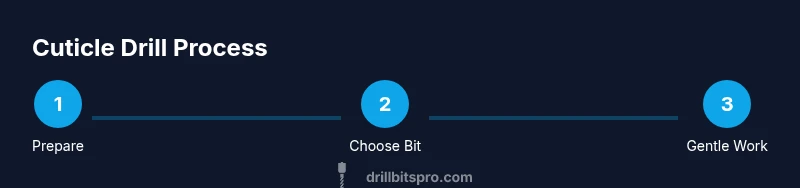
- Sanitize and set up: Prepare the workstation with clean tools, sanitized surfaces, and PPE. 2) Inspect the area: Look for loose cuticle tissue to target and identify sensitive zones to avoid. 3) Choose the bit: Select a teardrop or cone bit with rounded edges, appropriate for the delicate zone. 4) Set the speed: Begin at the lowest safe setting and gradually increase if needed, without forcing contact. 5) Gentle contact: Hold the drill at a shallow angle and use light, feather-like pressure along the cuticle edge to lift debris. 6) Contour and refine: Follow the natural nail curvature, lifting residual cuticle gradually without scraping or digging. 7) Inspect and adjust: Reassess the area for cleanliness and smoothness; repeat if necessary using minimal pressure. 8) Clean up: Wipe away dust, disinfect tools, and apply post-work moisturizer to soothe the area. 9) Document aftercare: Note any unusual tissue responses and advise on gentle post-care.
Safety, sanitation, and aftercare
Safety is non-negotiable when using a drill near cuticles. Always keep the tip away from living tissue and never force the bit into skin; let the tool do the work with a light touch. Maintain strict hygiene—sterilize bits between clients and wipe down all surfaces. After using a drill near cuticles, apply a soothing oil or cream to reduce dryness and protect the newly refined edge. If you notice persistent redness, swelling, or pain after treatment, pause and recommend a professional evaluation. Proper training, consistent practice, and adherence to safety protocols will reduce risk and improve outcomes. The Drill Bits Pro team emphasizes that the safest approach centers on measured, controlled movements and respect for the natural nail anatomy.
Troubleshooting common issues
If you encounter skin irritation, stop immediately and reassess your technique. A common misstep is pressing too hard or moving too quickly; slow down, reduce speed, and allow the bit to do the work. Debris buildup on the bit can also reduce performance; pause to clean the bit and resume with a fresh, sanitized edge. If you observe heat buildup, lift the drill momentarily to cool the area and reapply a light touch. In some cases, switching to a smaller diameter bit with a softer edge can prevent over-treating the surrounding tissue. Regular maintenance and mindful technique are the pillars of reliable cuticle work.
Authority sources and further reading
For safety guidelines and dental-nail hygiene best practices, consult authoritative sources like OSHA's safety standards at https://www.osha.gov, CDC infection-control guidelines at https://www.cdc.gov, and NIH resources at https://www.nih.gov. These references help professionals stay informed about safe handling, sanitation, and client protection when using drills near cuticles. Drill Bits Pro Analysis, 2026, reinforces the importance of proper technique and hygiene in minimizing risk during cuticle work.
Tools & Materials
- Nail drill with adjustable speed(Ensure it has a smooth, controllable low-speed setting and safe handpiece for near-skin work)
- Fine-cuticle bit (teardrop or small cone)(Rounded edges, smooth grit; avoid aggressive profiles near living tissue)
- Sterilization wipes and isopropyl alcohol(Clean and sanitize bits and workstation between clients)
- Personal protective equipment (eye protection, gloves, dust mask)(Protect yourself from debris and aerosols)
- Soft brush or lint-free wipe(Used to remove dust without scratching the surface)
Steps
Estimated time: 25-35 minutes
- 1
Prepare workspace and tools
Sanitize the station, verify the drill is clean and functional, and install the correct bit. Put on PPE and organize sanitizing supplies within reach. This reduces risk and ensures consistent results when addressing the cuticle area.
Tip: Have a practice finger available to test the setup before working on a client. - 2
Inspect the cuticle area
Carefully examine the nail edge and surrounding skin to identify loose tissue and sensitive zones. Mark areas to avoid and plan your approach with minimal contact near living tissue.
Tip: If in doubt, choose the smaller bit and lighter pressure to reduce risk. - 3
Select the bit and set speed
Choose a teardrop or small cone bit with rounded edges. Start at the lowest safe speed to limit heat and tissue irritation. Gradually increase only if the area remains stable and comfortable.
Tip: Never use a high-speed setting on living tissue near cuticles. - 4
Begin gentle contact along the cuticle
Place the bit at a shallow angle and glide along the edge to lift debris without scraping skin. Use light pressure and small, controlled motions to follow natural curves.
Tip: Let the bit’s edge do the work; avoid forcing into tissue. - 5
Contour and refine the edge
Move progressively to refine the cuticle border, maintaining contact with the nail plate while avoiding the living tissue. Check frequently for any areas needing minor touch-ups.
Tip: Work in short passes and pause if discomfort occurs. - 6
Clean, assess, and adjust
Wipe away dust and re-evaluate the area for smoothness and cleanliness. Revisit any stubborn spots with the smallest bit at low speed if necessary.
Tip: Sanitize the bit again if you switch to a different client. - 7
Finalize and sanitize tools
Remove any debris, sanitize all tools, and store components properly. Ensure the client’s hand is comfortable and moisturized after the procedure.
Tip: Document the technique you used and any client-specific notes. - 8
Post-care and client guidance
Explain aftercare steps to the client, including keeping the area clean and avoiding irritants for 24-48 hours. Offer follow-up recommendations if irritation develops.
Tip: Provide written care instructions to reinforce safe practice. - 9
Review safety and compliance
Confirm you followed all safety guidelines and regulations for tool usage in your locale. If you have any questions, consult official safety resources or training.
Tip: When in doubt, pause and seek additional training or supervision.
Got Questions?
Can I use a standard woodworking drill bit for cuticles?
No. Wood drill bits are not designed for delicate skin or nail surfaces and can snag tissue. Use bits specifically designed for cuticle work to minimize risk and achieve a cleaner result.
No. Wood drill bits are not safe for cuticles. Use a small, fine cuticle bit designed for nail work to protect living tissue.
What precautions should I take before using a nail drill near cuticles?
Ensure proper hygiene, wear PPE, sanitize tools, and test the setup on a practice finger. Start at the lowest speed and monitor for heat or discomfort.
Hygiene first—wear PPE, sanitize tools, and test on a practice finger. Start slow and watch for heat.
Which shapes are best for cuticle work?
Teardrop and small cone bits with rounded edges are typically preferred for their gentle contact and better control around the nail edge.
Teardrop and small cone bits with rounded edges are usually best for cuticles.
Is it safe for home use to work on cuticles with a nail drill?
With proper training, sanitization, and careful technique, home use can be safe. If you’re unsure, seek hands-on instruction from a licensed professional.
Yes, with training and strict safety, but consider taking a class first.
How should I sterilize drill bits after use?
Follow the manufacturer’s guidelines for cleaning and sterilizing bits. Use proven disinfectants and store bits in a clean, dry place to prevent corrosion.
Clean and sterilize bits after each client and store them dry.
Can I use a diamond bit for this task?
Diamond bits can be too aggressive for near-skin work. Reserve them for tougher surfaces and use gentler profiles for cuticles unless you have specific training.
Diamond bits are usually too aggressive for cuticles; use gentler bits unless trained otherwise.
Watch Video
Top Takeaways
- Choose the right bit for cuticles with a rounded edge.
- Set the drill to the lowest safe speed and use light pressure.
- Maintain strict sanitation and personal protection at all times.
- Follow a gentle, structured step-by-step approach.
- Observe tissue response and adjust technique accordingly.