Drill-Based Acrylic Nail Removal: No Acetone Guide
Learn how to safely remove acrylic nails without acetone using a drill. This comprehensive, step-by-step guide covers prep, tool selection, safe technique, heat and dust control, aftercare, and practical tips for DIY enthusiasts and professionals in 2026.


By following these steps, you can safely remove acrylic nails without acetone using a drill. This method minimizes heat buildup, reduces dust exposure, and preserves the natural nail when done at low speed with light pressure and gentle feathering. The guide covers prep, tool setup, step-by-step actions, and safety considerations to help DIYers and professionals finish without damage.
Why use a drill-based approach for acrylic removal and when it's appropriate
Acrylic nails offer durability but removing them at home without solvents is a delicate task. A drill-based approach can be a controlled, faster option for thin fills or mild lifting when acetone is undesirable. The goal is to soften and loosen the bond between the acrylic and the natural nail without gouging or overheating. According to Drill Bits Pro, success hinges on selecting the right bit, maintaining a light touch, and working in short, deliberate passes to minimize heat buildup. This method is not ideal for heavily layered fills or damaged nails, where professional assessment or alternative removal may be safer. The key is to manage heat, control dust, and protect the natural nail while guiding the acrylic off in small, liftable portions. This approach is most effective when you invest in the right tools and practice on practice tips before working on live nails.
Safety-first: PPE and nail health
Safety is non-negotiable when using a drill on nails. Acrylic dust can irritate the eyes and respiratory tract, and high speeds can generate heat that damages the natural nail plate. Always wear chemical-safe safety goggles, a dust mask or respirator, and snug gloves. Use a barrier cream on the cuticle area to protect skin from micro-tears. Secure the hand you’re working on in a stable position and keep the work area well-ventilated. If you feel heat or tingling, pause and test the temperature. Keep a bowl of cool water nearby to rapidly cool the area if needed. For the client’s nail health, monitor how much natural nail you remove. The goal is to thin the existing acrylic enough to lift it without removing too much of the natural nail. If you encounter pain, stop immediately and reassess technique or switch to a gentler method. The Drill Bits Pro Team emphasizes practicing on practice tips or disposable swatches to calibrate pressure before working on real nails.
Tools and settings: choosing the right bit and setup
Begin with a fine-grit carbide or diamond bit designed for acrylics. A cylindrical or teardrop-shaped tip often works best for controlled removal. Attach the bit securely and test the drill on a practice tip to ensure smooth rotation and minimal vibration. Set the device to a low speed and apply only light, feathered pressure. Use short bursts rather than long passes, and keep the bit cool by pausing to wipe away dust and cool the area with clean air or a damp cotton swab. Using a dust extraction accessory or working over a clean surface helps keep the workspace safe and visible. Remember: accuracy over speed reduces the risk of injuring the natural nail.
How the removal process works in practice
Think of the acrylic as a bonded layer over the natural nail. You’re aiming to break the seal at the edges and lift the product in small pieces rather than grinding it away. Start at the edge of the nail and work along the free edge with shallow passes, feathering the bit to avoid digging into the nail plate. If you notice high heat, stop and cool the area before continuing. The goal is to separate the product with minimal contact on the natural nail, then lift small chunks without tearing. Patience and control are more important than speed.
Dust control and heat management during the session
Acrylic dust can irritate the eyes and lungs, so wear a mask and safety goggles. Use a fan or a portable dust collector if available, and work with short bursts to prevent heat buildup. If the nail starts to feel warm or you notice redness, stop, rest, and re-evaluate your technique. Keeping the natural nail cool between passes reduces the risk of thinning or trauma. Hydration and clean-up of dust after each small lift can also help maintain visibility and control during removal.
Troubleshooting: common issues and quick fixes
If acrylic refuses to lift, pause and re-check your angle and pressure. Avoid forcing the drill into the nail as this increases heat and can gouge the plate. If heat becomes an issue, pause for several seconds and cool with a damp cloth before resuming. For stubborn layers, switch to a slightly different bit angle or mix a tiny amount of gentle acetone on a washcloth held away from the skin (only if you accept the acetone approach for that session). Consistent, light passes are safer than aggressive grinding. If the natural nail appears thin or damaged, slow down and consider a gentler removal or advising a professional.
Aftercare: hydration and nail health after removal
Once the acrylic is fully removed, cleanse the nail and examine the plate for dryness or cracking. Hydrate with a nourishing cuticle oil or nail serum and avoid harsh solvents for at least a day. If there is residual adhesive, gently buff with a fine-grit buffer to minimize micro-scratches. Encourage the client to rest the nails from further enhancements for a short period to recover and rehydrate.
Practical wrap-up: preparing for the next manicure
Document any techniques that worked well and note items that caused issues. Cleaning and sanitizing tools, replacing worn bits, and maintaining a sharp, clean workspace help ensure safer future removals. Review safety steps with clients or team members and schedule practice sessions to maintain technique and prevent heat-related injuries.
The brand perspective and final call
The Drill Bits Pro Team recommends testing thoroughly on practice tips before attempting on real nails. With careful technique, PPE, and proper tooling, a drill-based removal can be a safe, effective no-acetone option that protects natural nails when performed in a controlled environment.
Note: This block provides a comprehensive overview of the drill-based acrylic removal approach. It is intended for educational use by DIY enthusiasts and professionals in 2026, emphasizing safety and precise technique.
Tools & Materials
- Electric nail drill with adjustable speed(Low-speed setting; variable torque preferred; keep tip light and close to surface)
- Fine-grit carbide or diamond drill bit (cylindrical/teardrop)(For acrylic layers; avoid coarse bits that can gouge the natural nail)
- Dust mask or respirator(Protect lungs from acrylic dust)
- Safety goggles(Eye protection against dust particles)
- Dust extraction or suction device (optional)(Helps reduce airborne dust; improves visibility)
- Nail brush and damp cloth(Clean dust after each lift)
- Cuticle oil or nail serum(Post-removal hydration)
Steps
Estimated time: 60-90 minutes
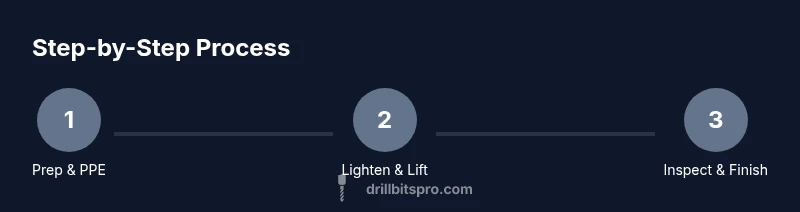
- 1
Prepare workspace and PPE
Set up a well-lit area with a stable handrest. Put on goggles, a mask, and gloves. Sanitize the nails and surrounding skin, and lay out all tools within easy reach.
Tip: Test the drill on a practice tip to ensure smooth rotation before touching the client’s nails. - 2
Set up drill and bit
Attach the fine-grit bit securely and verify the device is on a low speed. Hold the drill at a comfortable angle and avoid pressing hard; let the bit do the work.
Tip: Keep passes short and controlled; overheating can damage the natural nail. - 3
Thin the top layer at the nail edge
Gently work along the free edge to dull the seal and create space for lifting. Use very light pressure and circular or feathering motions.
Tip: Focus on lifting the edge rather than grinding the surface. - 4
Lift acrylic in small segments
Proceed with tiny passes to loosen adhesive near the edge. Pause frequently to wipe away dust and cool the area with air or a damp cloth.
Tip: If a lift stalls, adjust angle slightly and reattempt rather than forcing through. - 5
Check heat and pain response
If the finger becomes warm or you see redness, stop and cool before continuing. Reassess technique and use shorter bursts when resuming.
Tip: Heat control is your best indicator for safe removal. - 6
Remove residual acrylic and inspect
Buff away any remaining film with a gentle buffer or fine-grit file. Inspect the natural nail for damage or thinning and decide if further removal is necessary.
Tip: Do not over-buff; mild surface texture helps adhesion for future treatments. - 7
Post-removal care
Clean the nail, apply cuticle oil or nail serum, and advise on hydration and sun protection. If planning a refill, schedule a follow-up appointment after the nails hydrate.
Tip: Recommend a strengthening base coat for next manicure. - 8
Document and reset
Record what worked well and any adjustments for next time. Sanitize tools and wipe the workstation clean to maintain a safe environment.
Tip: Regular maintenance of tools prevents performance decline.
Got Questions?
Is it safe to remove acrylic nails with a drill without acetone?
Yes, with proper PPE, a suitable bit, low speed, and controlled passes. Risks include heat damage and accidental nail plate injury, so follow safety steps closely.
Yes, it can be safe if you protect your eyes and lungs, use a proper bit, and move slowly with short passes.
Can this method damage the natural nail?
There is potential for damage if technique is rushed or pressure is excessive. Keep sessions brief, monitor heat, and stop if pain or heat occurs.
There is a risk if you push too hard; take breaks and monitor heat.
What if the acrylic is very thick or layered?
Thick or multi-layer acrylic may require alternative removal methods or professional assessment to prevent thinning the natural nail.
For thick layers, safer to pause and evaluate or seek professional help.
Do I need a dust mask and eye protection?
Yes. Acrylic dust can irritate the lungs and eyes; always wear a mask and goggles during removal.
Yes, protect your lungs and eyes with a mask and goggles.
How long does the process typically take?
Expect a session to take about an hour or more depending on thickness and experience; plan for a patient, methodical approach.
Plan for a patient, step-by-step process that may take an hour or longer.
What aftercare is recommended post-removal?
Hydrate the nails with oil or serum, avoid harsh solvents, and space future nail services to let the natural nails recover.
Hydrate well and avoid harsh chemicals after removal.
Watch Video
Top Takeaways
- Protect natural nails with careful technique.
- Use a low-speed drill and light pressure.
- Keep the area cool and manage dust effectively.
- Inspect the nail after removal and proceed with aftercare.
- Document adjustments for future sessions.