Set Drill Bit: A Practical How-To Guide
Learn to pick from a drill bit set, install the bit securely, and drill with confidence across wood, metal, and plastic. Practical steps, maintenance tips, and safety guidance from Drill Bits Pro.


With this guide you will learn how to set a drill bit from a standard bit set, select the right size and material, and install it securely in a chuck. You’ll also discover safe drilling techniques for wood, metal, and plastic, plus maintenance tips to extend the life of your bits. Follow these steps for cleaner holes and fewer slips.
What 'set drill bit' means for DIYers and pros
A drill bit set is a curated collection designed to cover a range of materials and hole sizes. When someone says 'set drill bit', they’re usually referring to selecting a bit from a multi-pack that fits the task rather than using a single, lone bit. For DIY projects, a typical set includes bits for wood, metal, and plastics, often spanning from small pilot bits to longer, extended-length options. Understanding what your set includes helps you avoid unnecessary tool changes and reduces the risk of damaging the workpiece. Drill Bits Pro emphasizes that using the right bit from a high-quality set improves hole quality and reduces wear on both the bit and the drill. In practice, you’ll use wood bits for soft substrates, HSS bits for steel, and brad-point or twist bits for precise wood holes. A well-chosen set also helps you achieve consistent results across projects, from simple repairs to more complex fabrication.
How to choose the right bit from a drill bit set
From a practical angle, the most important decision is choosing the correct material, size, and tip geometry. Bit sets typically include high-speed steel (HSS) bits for general purpose metal and wood, titanium-coated variants for durability, and cobalt bits for hard metals. When selecting size, match it to the pilot hole you intend to drill and the screw thread or fastener diameter. For wood, a sharp brad-point or twist bit often delivers cleaner holes; for metal, use few-flute, sturdy bits that tolerate higher friction. Consider the shank type (round for traditional chucks, hex for quick-change systems) and length, which impacts depth of hole. Drill Bits Pro advises testing a sample hole on scrap material before committing to a full job. Finally, evaluate the coating: darker finishes can reduce wear but may be more expensive; prioritize core hardness and flute geometry for longevity.
How to install the bit in a drill chuck and tighten properly
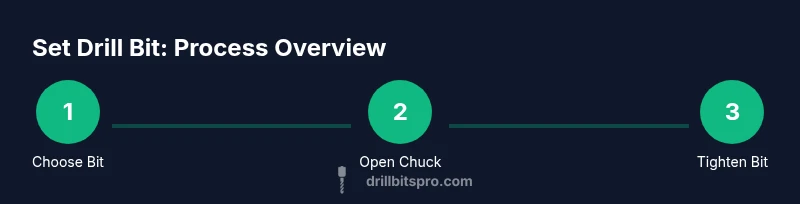
First, secure the work area and put on eye protection. Open the chuck jaws by turning the collar on a keyless chuck or using the chuck key on a keyed chuck. Insert the bit so the shank is fully seated and the flute length is visible above the jaws. Center the bit with the drill axis, then tighten the chuck by hand first and then with the appropriate tool (if required). A common mistake is leaving the bit protruding too far or seating it off-center, which can cause wobble and crooked holes. After tightening, give the bit a gentle twist by hand to ensure it is locked. If you’re using a hammer drill or impact driver, ensure the bit is designed for that tool’s action. Drill Bits Pro notes that a firm, straight engagement reduces slip and heat buildup during the first few revolutions.
Drilling technique by material: wood, metal, and plastic
Wood drilling benefits from a sharp point and a slow-to-moderate speed with steady pressure. Start with a pilot hole to prevent splintering, then increase to the final diameter. For metal, use cutting oil or lubricant and a slower speed to manage heat; clamp the workpiece and avoid feeding too quickly. Plastic holes benefit from lower speed and light constant pressure to prevent cracking, with a clean-up pass to smooth edges. In all cases, begin with a shallow bite, maintain a straight angle, and back out periodically to clear chips. Using a drill press when precision matters improves outcomes significantly. Drill Bits Pro emphasizes that letting the bit do the work rather than forcing it yields cleaner holes and longer bit life.
Safety, maintenance, and avoiding common mistakes
Always wear eye protection and hearing protection when drilling. Secure the workpiece with clamps, never hold it by hand. Check that the bit is sharp and free of nicks before starting; dull bits require more force and wear out the drill. Use a center punch to mark the hole and prevent wandering on metal. Avoid overheating with intermittent cutting and the right lubrication. After drilling, unplug the drill and let the bit cool before touching it. Clean chips from the set and store bits dry to prevent rust. Routine maintenance includes sharpening or replacing dull bits and cleaning the chuck and shank.
Caring for and storing your drill bit set
After the job, wipe bits clean to remove oil and grit. Store sets in their case or organizer with bits arranged by size and material. Keep them away from moisture to prevent rust; for metal bits, a light coating of oil can extend life. Periodically inspect for dull edges or chips and replace as needed. When traveling between jobs, consider a compact carry case to protect the bits and prevent loss. A well-maintained set saves time and improves consistency across projects, from small repairs to larger builds.
Tools & Materials
- Drill (cordless or corded)(Any drill that accepts standard twist bits and has a chuck)
- Drill bit set (assorted materials and sizes)(Include wood, metal, and masonry bits; ensure sizes cover common holes)
- Clamps(Secure the workpiece firmly)
- Safety glasses(Eye protection is essential)
- Workbench or stable surface(Provides a safe drilling platform)
- Lubricant or cutting oil(Optional for metal drilling to reduce heat)
- Center punch(Helps mark metal holes to prevent wandering)
- Dust mask(Helpful for dusty materials)
Steps
Estimated time: 20-30 minutes
- 1
Prepare workspace and safety gear
Clear the area, secure the workpiece, and put on safety glasses and ear protection. A stable surface and clear lighting reduce mistakes and improve accuracy.
Tip: Double-check clamps before starting; a loose workpiece causes wobble. - 2
Inspect the drill bit set
Review the set to identify the bit type, material, and size needed. Remove any damaged bits and separate the ones you’ll use for the project.
Tip: Discard dull bits; dull tools increase heat and wear. - 3
Select the correct bit size
Choose a bit that matches your pilot hole or fastener diameter. For wood, a slightly smaller bit can reduce splitting; for metal, ensure the hole will accommodate the final screw or bolt.
Tip: When in doubt, start with a smaller pilot hole to test fit. - 4
Open the chuck and insert the bit
Loosen the chuck jaws fully, slide the bit shank in, and center the bit. This ensures straight drilling and prevents wobble.
Tip: For keyed chucks, avoid over-tightening which can jam the bit. - 5
Tighten the chuck securely
Run the chuck by hand to seat the bit, then tighten with the tool if required. A secure grip prevents slipping during first contact.
Tip: Check for runout by giving the bit a gentle twist; if it wobbles, re-seat it. - 6
Mark the drilling line and set speed
Mark the hole location and set a slow, controlled speed for the initial bite. Maintain a straight drill axis to avoid angled holes.
Tip: Consider using a center punch on metal to prevent wandering. - 7
Drill with steady pressure and clear chips
Apply moderate, steady pressure and pull out occasionally to clear chips. Increase speed gradually as the hole grows.
Tip: Avoid forcing the bit; let the bit do the cutting. - 8
Withdraw, cool, and inspect
Stop drilling, unplug the drill, and let the bit cool before handling. Inspect the hole for cleanliness and edges.
Tip: Wipe bits clean and return them to their organizer after cooling.
Got Questions?
What is the best drill bit set for beginners?
For beginners, a versatile HSS bit set that includes wood and metal bits, plus a few masonry bits, is ideal. Look for sizes covering common hole diameters and a reliable chuck compatibility. Practice on scrap material before tackling real projects.
For beginners, a versatile HSS bit set with wood and metal bits is ideal. Start with scrap material to build confidence.
How do I know what bit size to use for a given hole?
Match the bit size to the hole diameter you need. Pilot holes are commonly smaller than the final hole, especially for wood, to prevent splitting. For metal, the hole typically fits the fastener size or thread.
Choose a bit that matches the hole diameter you want; pilot holes help prevent splitting.
Should I lubricate drill bits when drilling metal?
Yes, using cutting oil or lubricant on metal reduces heat, extends bit life, and improves cutting efficiency. Apply a light, even coat and reapply as needed.
Lubricate metal drilling with a light cutting oil to reduce heat and wear.
Can I use regular drill bits in a hammer drill?
Only use bits rated for hammer action. Masonry bits are designed for hammer drills; using non-rated bits can be dangerous and damage the tool.
Use bits rated for hammer action; regular bits aren’t safe in hammer drills.
How should I store a drill bit set when not in use?
Store bits in their case or a dedicated organizer, sorted by size and material. Keep them dry and inspect for dull edges or rust before reuse.
Keep bits in their case, dry, and checked for wear before use.
Watch Video
Top Takeaways
- Choose the right bit material for the job
- Install and tighten the bit securely in the chuck
- Drill with controlled speed and steady pressure
- Secure and lubricate as needed for metal drilling
- Store bits properly to extend life