How to Get Rid of Drill Batteries: A Step-by-Step Disposal Guide
A practical, safety-focused guide from Drill Bits Pro on disposing drill batteries responsibly, recycling Li-ion and NiMH packs, and avoiding common disposal mistakes.


Discover how to get rid of drill batteries safely by using manufacturer take-back programs, local recycling centers, or mail-back options. Avoid trash disposal due to fire risk and hazardous materials leakage. This quick answer covers Li-ion, NiMH, and NiCd batteries found in cordless drills, with practical, actionable steps for responsible recycling.
Understanding Drill Batteries: Types and Hazards
Cordless drill batteries come in several chemistries, with lithium-ion (Li-ion) dominating modern tools, and nickel-metal hydride (NiMH) and nickel-cadmium (NiCd) appearing in older packs. Each type has different charging behavior and recycling streams. If you're asking how to get rid of drill batteries, start by identifying the exact chemistry printed on the label or the pack; this determines the correct recycling stream and safety precautions. Li-ion cells can overheat if punctured, NiMH and NiCd also pose chemical hazards. Always handle with gloves and eye protection in a well-ventilated area. Because drill batteries store a significant amount of energy, improper disposal can create a fire risk or leak harmful materials into soil and water. Governments and manufacturers now require safe disposal in dedicated facilities. According to Drill Bits Pro, understanding the battery type is the first, most important step in responsible disposal and reduces the chance of accidental damage during handling. If the label is unreadable, consult the tool manual or the manufacturer’s website for the exact chemistry.
Why Proper Disposal Matters
Disposing drill batteries the wrong way can cause fires, chemical exposure, and environmental harm. Lithium-ion and NiMH/NiCd packs contain electrolytes that may ignite if crushed, punctured, or exposed to high heat. Recycling programs recover valuable materials like lithium, cobalt, nickel, and copper, and keep hazardous components out of landfills. From a safety perspective, keeping batteries intact until they reach the proper facility minimizes risk to household members and waste handlers. Drill Bits Pro Analysis, 2026 notes that most communities now offer some form of battery recycling, but acceptance criteria vary widely by region. This means you should verify local options before you prepare your package for disposal. The environmental benefits include reduced resource extraction, lower energy use, and decreased risk of groundwater contamination. In short, proper disposal aligns with best practices for a professional workshop and an eco-conscious DIY setup.
Pre-Disposal Preparation: Removing Battery Packs Safely
Before you stop by a recycling center, prepare the battery pack properly. Power down the drill, unplug the charger, and carefully remove the battery from the tool. Inspect for damage like bulging, swelling, or electrolyte leakage; if any of these signs are present, isolate the pack in a fireproof container and do not attempt disassembly. Clean the exterior with a dry cloth to remove dust and conductive debris. Place the pack in a non-conductive, fire-resistant container and tape the terminals to prevent contact with metal objects. Label the container with the battery chemistry (Li-ion, NiMH, NiCd) and your contact information if required by the drop-off location. See diagrams for safe orientation and avoid stacking packs. If you need a quick reference, refer to the manufacturer’s guidance or the local program rules. This step helps minimize the risk of short circuits during transport.
Local Recycling vs Manufacturer Take-Back Programs
Two primary disposal paths exist for drill batteries: manufacturer take-back programs and local or municipal recycling centers. Manufacturer programs are often free, prepaid, and specially designed to handle rechargeable packs, including Li-ion and NiMH/NiCd varieties. Local centers may accept used batteries directly, sometimes under a small fee or as part of a household hazardous waste (HHW) day. The best option depends on your location and the battery type. Start by visiting the brand’s support page or your city’s recycling portal to find accepted formats and drop-off windows. If possible, choose a take-back program since it usually provides pre-paid shipping or curbside pickups. The Drill Bits Pro team recommends prioritizing official take-back channels when available, as they provide consistent handling and safe processing. For those in remote areas, contact local HHW facilities to confirm acceptance and preparation steps. This approach keeps valuable materials in circulation and reduces landfill burden.
How to Evaluate Your Battery Type
Knowing whether your battery is Li-ion, NiMH, or NiCd is crucial to selecting the right disposal path. Li-ion cells are common in newer cordless tools and are often labeled with ‘Li-ion’ or a lithium symbol. NiMH packs tend to be gray or black with a “NiMH” reference, while NiCd packs are older and may carry a NiCd label. If the label is unclear, consult the tool manual or search the model number online to confirm chemistry. Consider the voltage and capacity stated on the pack, but rely on the official labeling for classification. Drill Bits Pro Analysis, 2026 emphasizes that misclassifying a battery can lead to improper handling and delays at drop-off centers. If you cannot identify the chemistry, treat the pack as potentially hazardous and seek professional guidance or a take-back program that accepts mixed chemistries.
Safe Handling and Transportation of Used Drill Batteries
Safe handling starts with PPE: safety glasses and nitrile gloves protect eyes and skin from leaks or punctures. Use a non-conductive, fire-resistant container for transport, and keep the battery upright to prevent leakage. Do not mix different battery chemistries in the same container, and never place batteries in metal containers or with conductive materials that could create a short. Tape terminals, cap loose ends with tape, and label the container with the chemistry. Transport the pack to the designated drop-off point as quietly and calmly as possible to avoid jostling. If you’re shipping batteries, use a carrier that recognizes hazardous materials and follow their packaging requirements. Check local guidelines for any additional labeling or documentation required. This careful approach minimizes risk during movement and ensures the pack reaches the recycler intact.
What Not to Do: Common Disposal Mistakes
Avoid throwing drill batteries in the trash, which is illegal in many areas and dangerous to waste workers. Do not puncture, crush, or attempt to dismantle packs; exposure to electrolytes can cause chemical burns or fires. Do not store damaged batteries in a confined space or inside a vehicle on a hot day. Don’t mix different chemistries, and don’t try to reuse damaged cells in a new tool. Also avoid using makeshift containers or metal bins that can spark. If you’re unsure about acceptance, contact the recycling center or manufacturer take-back program before you begin. Following these cautions helps protect your home, the facility, and the environment.
Regional Programs: How to Find a Drop-Off Center
To locate a drop-off center for drill batteries, start with your local government’s waste portal or the brand’s official support site. Search terms like “battery recycling near me” or “drill battery drop-off” can yield HHW centers or electronics recyclers that handle rechargeable packs. Some programs require you to pre-register, while others allow walk-ins on specific days. EPA and state resources often provide a locator tool. If you can’t locate a nearby facility, call or email the municipal waste department for guidance. The Drill Bits Pro team recommends prioritizing official channels, which simplify documentation and ensure compliant processing. When using a third-party service, verify their credentials and recycling certifications because quality control matters for environmental outcomes.
Practical Alternatives: Reuse, Regeneration, and Extended Life
If a drill battery still holds some charge but cannot be restored, consider repurposing options such as power banks for small tools or emergency backup power for lighting in the shop. Some batteries can be reconditioned or refurbished by authorized technicians, though this is typically for professional applications. Extending life means proper storage (cool, dry, 40–60% charge) and avoiding deep discharge cycles. Regular inspection for signs of wear, swelling, or leakage helps you decide when to retire a pack. Don’t rush to reuse a failed cell; instead, recycle it through the appropriate channel. This approach minimizes waste and maximizes material recovery, aligning with responsible workshop practices and environmental stewardship.
Drill Bits Pro's Best Practices for Battery Disposal
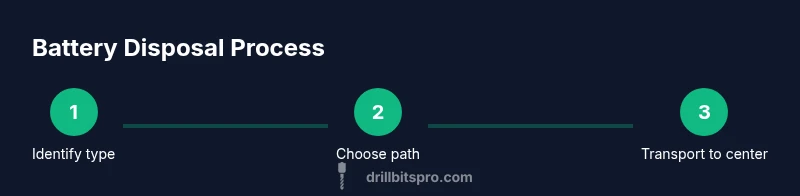
The Drill Bits Pro Team emphasizes a disciplined, safety-first approach to drill battery disposal. Always start by identifying chemistry and selecting the correct disposal path. Use manufacturer take-back programs whenever available, or partner with an approved local recycler. Prepare the battery properly, transport securely, and document the process for your records. Remember, never place batteries in ordinary household trash. By following these guidelines, you protect people, pets, and the environment while keeping your workshop compliant with evolving regulations. The Drill Bits Pro Team recommends establishing a small, dedicated disposal routine in your shop to stay organized and ready for routine battery replacements.
Tools & Materials
- Safety glasses(ANSI Z87.1 compliant)
- Nitrile gloves(Protect skin from electrolytes)
- Non-conductive, fire-resistant container(Rigid container with lid)
- Battery label or tape(Indicate chemistry on container)
- Marker for labeling(Indicate battery chemistry and date)
- Insulated transport bag or rigid box(Optional for short trips)
- Cleanup cloth(Wipe any residue safely)
- Prepaid shipping label (if applicable)(For mail-back programs)
- Documentation sheet(Record drop-off and batch ID)
Steps
Estimated time: 60-90 minutes
- 1
Identify battery type
Locate the chemistry label on the pack or consult the manual to confirm whether the battery is Li-ion, NiMH, or NiCd. Knowing the chemistry determines the correct disposal channel and safety precautions.
Tip: If label is unreadable, use model number to search the manufacturer site or contact support. - 2
Power down and remove from tool
Turn off the drill and unplug any charger. Remove the battery pack carefully without prying or bending terminals to avoid short circuits.
Tip: Handle packs only by the housing; avoid touching metal contacts. - 3
Inspect for damage
Check for swelling, leakage, or corrosion. Damaged packs should be isolated and handled as hazardous material, not opened or punctured.
Tip: Place damaged packs in a fireproof container and set aside for special pickup. - 4
Prepare container and label
Place the battery in a non-conductive, fire-resistant container. Tape terminals and clearly label the chemistry on the outside.
Tip: Use clear, legible labels to prevent mis-sorting at the facility. - 5
Choose disposal path
If a manufacturer take-back program is available, use it. Otherwise select a local recycler or HHW center that accepts rechargeable drill batteries.
Tip: Call ahead to confirm accepted formats and any fees. - 6
Transport to drop-off
Transport the container upright and secure in your vehicle to prevent movement and puncture risk during transit.
Tip: Keep the container away from heat sources and direct sunlight. - 7
Hand off at facility
When you arrive, hand the battery to staff and complete any required forms or paperwork for recycling.
Tip: Ask for a receipt or batch ID for your records. - 8
Document disposal
Record the drop-off location, date, and chemistry in your shop log. This helps track waste streams and compliance.
Tip: Take a photo of the receipt for your records. - 9
Close the loop
Clean your workspace, dispose of packaging, and establish a reminder for annual battery replacement cycles to reduce future waste.
Tip: Create a dedicated disposal tray in your workshop for easy sorting.
Got Questions?
What drill battery types are recyclable?
Most cordless drill batteries are rechargeable and recyclable, including Li-ion and NiMH/NiCd packs. Always verify accepted types with the drop-off center or manufacturer take-back program.
Most cordless drill batteries are recyclable; check the facility or program for accepted chemistries before you go.
Can I throw a swollen battery in the trash?
No. A swollen or damaged battery should not be placed in the trash or curbside recycling. Isolate it and take it to a hazardous waste facility or a designated battery recycling drop-off.
No—swollen batteries must be treated as hazardous and taken to a proper recycling facility.
How do I find a drop-off center near me?
Use your local government waste portal or the drill brand's support pages to locate approved drop-off centers for rechargeable batteries. Many areas also host HHW days with battery collection.
Check your city’s waste portal or the brand’s site to locate a nearby drop-off center.
Should I tape the terminals on my battery?
Yes. Tape the terminals with non-conductive tape to prevent short circuits during handling and transport, and label the container with the battery chemistry.
Tape the terminals to prevent shorts and label the battery.
Can I recycle drill batteries through curbside programs?
Some curbside programs accept small rechargeable batteries, but many do not. Check with your municipality to confirm acceptance and preparation requirements.
Sometimes curbside is accepted, but always confirm with local programs first.
Is shipping batteries by mail allowed?
Many manufacturers offer mail-back or prepaid shipping for rechargeable batteries. Follow their packaging guidelines, and use approved carriers when shipping hazardous materials.
Yes, many programs offer mail-back; follow their packaging rules exactly.
Watch Video
Top Takeaways
- Identify battery chemistry before disposal.
- Use official recycling channels, not trash.
- Prepare and label packs for safe transport.
- Check local options and document the disposal.