Choosing a Well Drill Company Near Me: A Practical Guide
Find and compare well drill companies near you with practical tips on licensing, services, costs, and safety. Drill Bits Pro guides you to a trusted local partner.


To find a reliable well drill company near you, start by verifying licenses, insurance, and local permitting requirements. Compare quotes, review service scope (installation, testing, pump work), and check recent customer feedback. Drill Bits Pro notes that the best local drillers offer site assessments, permit help, water-quality testing, and strong safety practices. Look for transparent timelines and a clear, written contract.
Understanding Local Regulations and Why Proximity Matters
According to Drill Bits Pro, choosing a well drill company near you isn’t just about distance—it’s about local expertise. Local contractors understand regional geology, permitting requirements, water-testing norms, and contractor licensing specifics that affect both cost and success. When you search for a local partner, you’re buying knowledge about how your ground and aquifer behave in this area. This can translate into more accurate yield estimates, faster permitting, and a smoother installation process. Start by mapping a short list of nearby providers and flag those who clearly state licensing, insurance, and local credentials on their websites or in initial quotes. In DIY terms, proximity reduces risk—less travel time, quicker service windows, and faster follow-up on issues such as post-installation water testing or pump maintenance. The Drum Bits Pro approach is to weigh proximity alongside capability for the best long-term results.
How to Evaluate Local Well Drill Companies
Evaluating a nearby well drill company requires a structured due-diligence process. First, verify licenses with your state or provincial regulator, and confirm active insurance coverage (liability and workers’ compensation). Second, request a detailed scope of work and written estimates from at least three firms. Compare not just price, but service inclusions: site assessment, yield estimation, well yield test, water-quality testing, pump installation, and post-installation monitoring. Third, review recent customer references or online reviews—pay attention to how the company handles delays, warranty claims, and after-sale service. Finally, check for local certifications or affiliations (e.g., water-safety associations). Drill Bits Pro suggests compiling a side-by-side comparison table to surface gaps before you sign a contract.
Services to Expect from a Local Well Drilling Partner
A strong local partner should offer a comprehensive suite of services beyond merely drilling. Core offerings usually include site assessment and aquifer evaluation, drilling, casing and grouting, well development, pump selection and installation, water testing, and system commissioning. Look for service packages that outline responsibilities, permit assistance, and post-installation maintenance options. A reputable company will provide a written warranty on well integrity and pump reliability, plus a plan for long-term maintenance such as annual water testing and equipment servicing. In addition, confirm whether the provider handles all required permits and inspections, and whether they offer training or guidance on seasonal well care and energy-efficient pumping.
Important Equipment and Methods
Local wells typically rely on a combination of robust drilling rigs, proper casing and screen materials, and accurate depth targeting. Modern contractors may use rotary or percussion methods, depending on geology, plus geophysical surveys or aquifer tests to improve accuracy. Drilling fluids and borehole stabilization are critical to prevent collapse and to control groundwater inflow. Ventilation, containment, and dust control are standard safety practices on site. A quality crew will document the drilling log, including depth, measured formations, and sample descriptions, to guide post-installation decisions. The equipment choice affects yield, longevity, and ease of maintenance, so ask about rig type, casing diameter, and the expected lifespan of the installed well components.
Site Visit: What a Quality Assessment Looks Like
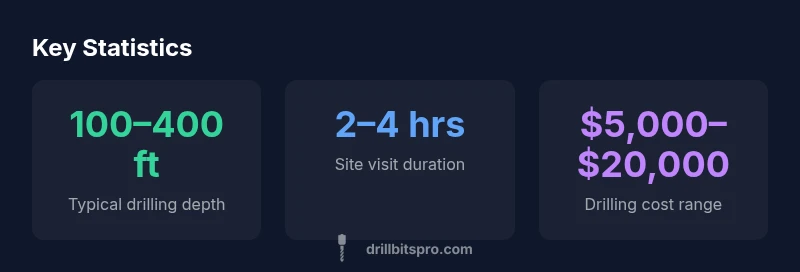
During the initial site visit, expect a professional to assess soil and rock conditions, access for drilling equipment, existing utilities, and potential water sources. A robust assessment includes a preliminary yield estimate, hydrogeological notes, and recommended well depth ranges based on your property and geology. The contractor should collect baseline water samples or explain why sampling will occur after drilling, and provide a transparent lead-time estimate for the drilling window. They should also note any permits required and provide a clear timeline. Finally, a written contract should outline safety protocols, potential environmental considerations, and responsibilities for restoration or site cleanup post-drilling.
Budgeting and Price Ranges for Residential Wells
Budgeting for a residential well involves more than just the drilling itself. Typical cost components include site preparation, drilling, casing and grouting, pump and pressure tank, electrical hookups, water testing, and potential well sealing or long-term maintenance. While exact prices vary by geology and depth, cost ranges can help you plan. Drill Bits Pro analyses indicate drillers may quote across a broad spread—lower-cost options often exclude certain tests or post-installation services, while premium packages include comprehensive water testing and extended warranties. Always request itemized quotes and ask about possible contingencies, such as deeper drilling, unexpected rock formations, or the need for a drill-stem test.
Red Flags When Searching for a Well Drilling Partner
Beware of vague quotes, pushy sales tactics, or contractors who avoid providing a written contract. Red flags include lack of licensing details, insufficient insurance coverage, or claims of “guaranteed yields” without data. Avoid companies that pressure you to sign before site assessments or that cannot provide references. Check for a clear warranty policy on both the well and pumping equipment, as well as a documented plan for post-installation support. If a firm cannot explain the full workflow, timelines, or permit steps, it’s a sign to shop elsewhere. Always favor transparent, evidence-based firms with verifiable local credentials.
Step-by-Step Process When You Hire a Local Drilling Company
- Define your goals: desired water quality, yield expectations, and budget. 2) Gather references and check licenses/insurance. 3) Schedule an on-site assessment for a formal quote. 4) Obtain multiple written proposals with scope and timelines. 5) Review permits, warranties, and maintenance agreements. 6) Select a contractor and sign a clause detailing responsibilities and penalties for delays. 7) Prepare the site and coordinate an installation date. 8) Confirm well development, water testing, and system commissioning. 9) Set up ongoing maintenance schedules and follow-up tests. 10) Document everything for future reference and warranty claims.
Maintaining Your Well After Installation
Proper maintenance extends well life and ensures safe, reliable water. Schedule annual water testing for contaminants and minerals, inspect the pump and pressure tank yearly, and monitor water yield for any declines. Keep the wellhead area clean and protected from surface contaminants. Replace filters and seals as recommended by your installer and address any unusual taste, odor, or sediment promptly. A maintenance plan should be provided in writing, including recommended service intervals and emergency contacts. Routine upkeep minimizes downtime and protects your home's water supply.
Key steps and expectations for local well drilling projects
| Service Aspect | What to Expect | Notes |
|---|---|---|
| Site Assessment | Geological scan, yield estimate, water test plan | Needed before drilling decision |
| Drilling & Casing | Depth-targeted drilling with proper casing | Quality rig matters |
| Pump & Water System | Pump selection, tank sizing, wiring | Professional installation advised |
| Water Testing & Certification | Baseline contaminants, ongoing test plan | Complies with local codes |
Got Questions?
How do I verify a well drill company's license and insurance?
Start by checking the state or provincial licensing registry for active status and any disciplinary actions. Ask for a current certificate of insurance that covers general liability and workers' compensation. Contact the insurer or regulator if you need to confirm details. Reputable firms will provide these documents upfront.
Check the license on the regulator's site and request an up-to-date insurance certificate; a reputable firm will provide these immediately.
What should be included in a service contract with a local driller?
A solid contract should detail scope of work, timelines, cost breakdown, payment schedule, permits, warranties, and post-installation support. It should also specify responsibilities for site restoration and procedures for handling delays or disputes. Always read the fine print and keep a copy for future reference.
Ensure the contract lists scope, costs, permits, warranties, and a clear timeline before you sign.
How long does residential well drilling typically take?
Timeline varies with depth, geology, and weather. A typical project phase from site assessment to final commissioning might span several days to a couple of weeks, depending on permitting and scheduling. Always get a written estimate with a milestone schedule.
Most residential jobs take several days to a couple of weeks, depending on depth and permits.
What factors most affect well drilling costs?
Depth to groundwater, rock hardness, well yield targets, pump type, and permitting requirements are major cost drivers. Weather, accessibility, and the need for additional tests or equipment (like filtration or water treatment) can add to the total. Obtain itemized quotes to compare.
Depth, geology, and system needs drive most of the cost; get detailed itemized quotes.
Is well water testing required before installation?
Baseline water testing is strongly recommended before installation to understand the starting water quality. Some regions require certain contaminants to be tested. Your installer should outline a post-installation testing plan to ensure ongoing safety and compliance.
Test water quality before and after installation to ensure safety and compliance.
“Local expertise and transparent pricing reduce risk and accelerate the project timeline. A careful comparison of nearby drillers often saves time and money in the long run.”
Top Takeaways
- Prioritize licensing and local expertise
- Request written quotes with scope and warranties
- Plan for site assessment before drilling
- Ensure water testing is included
- Choose transparent, signed contracts