Nail Drill Bits Guide: How to Choose, Use, and Maintain
A comprehensive nail drill bits guide for DIYers and pros. Learn types, selection, safety, maintenance, and best practices for manicure and pedicure workflows.


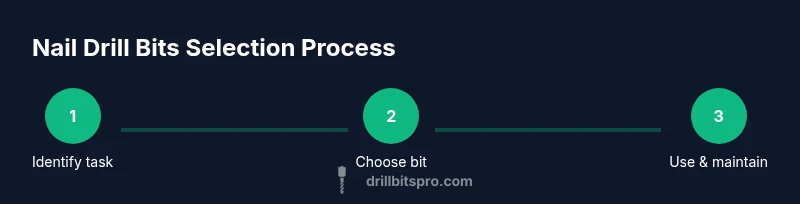
With this nail drill bits guide, you will learn to select, test, and safely use nail drill bits for manicures and pedicures. Start by understanding bit materials and shank sizes, then choose the right bit for natural nails, enhancements, or safety tasks. Finally, practice proper sanitation, technique, and maintenance to extend bit life and achieve consistent results.
Understanding Nail Drill Bits: What They Are and How They Work
Nail drill bits, also called e-file bits, are small abrasive tools attached to an electric nail drill. They help shape, smooth, and remove acrylics or gels, as well as reduce natural nail ridges. Bits come in different materials: carbide, ceramic, and diamond-coated alloys; each has different durability and heat production. The shank size is usually 3/32 or 1/8 for most professional devices, but some consumer machines use 1/4 bits. The tip shapes vary: barrel, cone, bullet, barrel ball, or needle. When you press the bit against the nail, the speed and pressure determine cut quality and risk of heat. Always start on a low speed, then gradually increase as you observe how the nail responds. Using water or cooling spray can minimize heat buildup. Carbide bits hold an edge longer and are versatile for removing product, while ceramic bits are gentler on natural nails, reducing heat but wearing faster. Diamond bits are excellent for manicures and hard gels. Choosing the right bit depends on the job: shaping a smile line, removing product, or refining the free edge. For beginners, a basic set containing a fine ceramic cone, a medium carbide barrel, and a diamond flame bit covers most tasks.
Nail Drill Bit Types and Uses
- Carbide barrel bit: Durable and fast at removing product, good for acrylic overlays and rough shaping.
- Ceramic cone bit: Gentle on natural nails, minimizes heat, ideal for shaping delicate corners.
- Diamond-coated bits: Excellent for hard gels and precise refinements; stay sharp longer but can be pricier.
- Fine grit vs. coarse grit: Finer bits reduce heat and improve smoothing; coarser bits cut faster but generate more heat.
- Shank sizes and compatibility: Most devices use 3/32 and 1/8 shanks; confirm your machine accepts your chosen bit.
Tip: Start with a medium grit, then adjust per nail type; avoid high heat by testing on a practice nail first.
Choosing the Right Nail Drill Bits for Your Tasks
Your choice depends on the job: removing product, refining edges, or finishing surfaces. For natural nails, begin with a fine ceramic cone to debulk without excessive abrasion. For acrylics and gels, a medium to coarse carbide can speed removal, while a diamond-coated bit is ideal for final shaping. Consider bit length, shank compatibility, and the machine’s RPM range. Always pair bits with appropriate speed and pressure to prevent heat buildup and nail damage. When working with clients, select a versatile starter set that includes a balance of carbide, ceramic, and diamond bits, and upgrade as you gain experience. The goal is efficiency without sacrificing nail health.
Maintenance, Sanitation, and Safety
Cleanability and sanitation are critical to safe nail work. After each use, wipe the bit with isopropyl alcohol and brush away debris; air-dry fully before returning to storage. Sanitize your tools according to your local hygiene standards and store bits in a clean case to prevent dulling or contamination. Inspect bits regularly for nicks or cracks, and replace any damaged parts immediately. Use eye protection and a mask to minimize exposure to dust, and avoid pressing hard on the natural nail to reduce heat generation. Rotating or re-shaping a dull bit with of the same grit is not advised; replace when performance clearly declines.
Troubleshooting Common Issues with Nail Drill Bits
If a bit overheats quickly, slow down the RPM, dip the bit in cooling solution, and check that you are not applying too much pressure. If the bit wears unevenly or becomes dull, switch to a finer grit and re-check the technique. Debris buildup can degrade performance, so clean the bit and mandrel regularly. If a bit cracks, stop using it immediately to prevent injury. Ensure your tool is properly grounded and that the bit is correctly seated in the chuck to avoid wobble and chatter.
Quick Start Guide: Picking, Testing, and Caring for Bits
Begin with a starter kit that includes one fine ceramic cone, one medium carbide barrel, and one diamond flame for finishing. Test new bits on a practice nail or synthetic nail before client use. Sanitize after every session and store in a closed case. Periodically evaluate wear and replace dull or damaged bits promptly. Maintain a simple routine to keep your nail drill bits performing at their best.
Tools & Materials
- Nail drill bits assortment (carbide, ceramic, diamond)(Include barrel, cone, and flame shapes for versatility)
- E-file with compatible chuck/mandrel(Check shank size: 3/32 or 1/8)
- Safety goggles(Protect eyes from dust and particles)
- Face mask or respirator(Helpful for dust control during shaping)
- Isopropyl alcohol or sanitizing solution(For sterilizing bits between clients)
- Lint-free wipes(For quick sanitization passes)
- Soft brush or cleaning brush(Clears debris from bit flutes)
- Water spray or cooling liquid(Minimizes heat buildup during use)
Steps
Estimated time: 25-40 minutes
- 1
Prepare your workspace
Clear the work area, assemble your kit, and verify your drill is off before attaching bits. Set up a clean sanitation station with isopropyl alcohol and wipes. Ensure proper ventilation and lighting for accuracy.
Tip: Power off the drill when swapping bits to prevent accidental starts. - 2
Choose the right bit for the task
Assess the nail type and the task (shaping, debulking, or refining). Pick a suitable bit—ceramic for natural nails, carbide for product removal, or diamond for finishing. Keep a basic starter set readily available.
Tip: Start with a medium grit and adjust based on nail response. - 3
Attach the bit and set up your tool
Insert the bit firmly into the chuck and snugly tighten. Set the machine to a low RPM at first; verify the bit doesn’t wobble. Wear PPE and keep your hands clear of moving parts.
Tip: Always test alignment on a practice nail before client use. - 4
Test on a practice nail
Run the bit on a practice nail or artificial nail to gauge heat buildup and cutting action. Observe how the bit interacts with different surfaces and adjust pressure and speed accordingly.
Tip: If heat becomes uncomfortable, pause and apply cooling spray. - 5
Perform the task with controlled technique
Make light, short passes along the nail edge, avoiding prolonged contact in one spot to prevent heat buildup. Use gradual pressure and frequent pauses to check the nail’s response.
Tip: Keep movements steady and avoid twisting the wrist. - 6
Clean, sanitize, and store the bits
Wipe each bit with alcohol, brush away residue, air-dry, and return to a closed case. Inspect for wear, and replace dull or damaged bits promptly to maintain performance.
Tip: Label storage to avoid mixing grit levels.
Got Questions?
What are nail drill bits?
Nail drill bits are small abrasive tools attached to an electric nail drill used to shape, debulk, and finish nails. They come in various materials and shapes to suit different tasks such as natural nails, enhancements, and gels.
Nail drill bits are small abrasive tools used with an electric file for shaping and finishing nails.
Are nail drill bits safe for home use?
Yes, with proper training and PPE. Start on low speed, use light pressure, and avoid overheating the natural nail. Sanitize bits and equipment between clients or sessions.
Yes, but use proper PPE, low speed, and careful technique to stay safe.
What material should I start with for natural nails?
For natural nails, begin with a fine ceramic cone or a light carbide bit to debulk gently without causing heat damage. Upgrade as you gain experience.
For natural nails, start with a gentle ceramic cone to avoid heat damage.
How do I sanitize nail drill bits?
Wipe with isopropyl alcohol after use, brush away residue, let dry, and store in a clean case. Follow your local hygiene standards for disinfection.
Wipe with alcohol after use, dry, and store in a clean case.
Can I use nail drill bits on gel nails and acrylics?
Yes, but select bits suited for resin-based products and avoid excessive force. Carbide is effective for removal, while ceramic and diamond excel at finishing.
Yes—use appropriate bits and gentle technique for gels and acrylics.
How long do nail drill bits last?
Bit life depends on material, usage, and care. Regular inspection for wear and replacing dull or damaged bits promptly maintains performance.
Bit life varies; inspect regularly and replace worn bits promptly.
Watch Video
Top Takeaways
- Choose the right material for the task
- Practice heat management to protect nails
- Sanitize and store bits properly
- Maintain a balanced starter set for versatility