What Can You Drill Glass With: A DIY Guide
Learn which drill bits and techniques work best on glass, plus safety tips and a step-by-step approach for clean, accurate holes. From carbide to diamond tips, Drill Bits Pro explains how to drill glass safely.


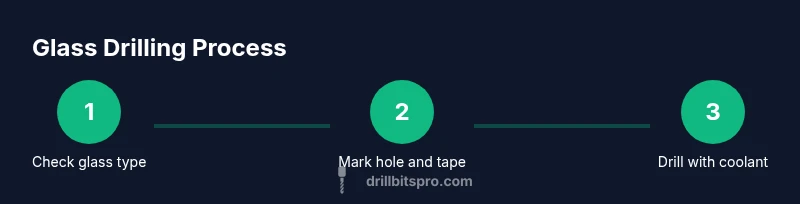
With the right approach, you can drill glass safely using carbide-tipped glass bits or diamond-tipped bits. Execute at low speed, apply light, steady pressure, and keep the work surface cool with water or coolant. Use masking tape, a pilot hole, and clamps to prevent wandering. Avoid standard metal drill bits, and never rush the cut. This guidance helps DIYers and pros.
Understanding Glass and Drilling Basics
When learning what can you drill glass with, start with the science: glass is brittle and does not behave like wood or metal. Tempered glass, in particular, is designed to crumble into tiny shards when penetrated, making post-temper drilling extremely risky. Annealed (non-tempered) glass accepts holes more predictably, provided you use the right tools and techniques. Thickness, edge quality, and the presence of coatings all influence drilling outcomes. Before you pick a bit, identify the glass type and thickness, study the edge conditions, and set realistic expectations for hole quality. The core idea is that success hinges on specialist bits, controlled speed, and steady clamping rather than brute force.
To get consistent results, plan the boring path and consider how the hole will be used (fasteners, wiring, or decorative holes). It’s also important to recognize that “what can you drill glass with” is not about a single tool; it’s about selecting the right combination of bit type, drill method, and cooling strategy. Drill Bits Pro recommends testing on a scrap piece of similar glass to dial in your technique before committing to the final piece.
Tools and Materials You Need to Drill Glass
Preparing for a glass drilling project means gathering the right equipment. The core components are specialized glass bits (carbide-tipped or diamond-tipped), a drill that can run at low speeds, and a solid clamping setup to prevent movement. You’ll also want masking tape to mark the point and help prevent bit wander, a sacrificial backing (like a scrap plywood or cardboard) to reduce edge chipping, and a coolant source (water or a light oil) to keep the bit and glass from overheating. Don’t forget eye protection, and have a marker or masking pen to clearly mark the hole location. These tools collectively form the backbone of a safe, effective glass drilling workflow. As you assemble the toolkit, confirm that the bits are specifically rated for glass or tile work and that the drill supports variable speeds.
A key takeaway is that your tool selection directly impacts hole quality. The wrong bit or insufficient cooling can cause cracking, edge chips, or unwanted scratches. Plan to use a pilot guide or pre-punch the hole with a sharp center punch to minimize wandering on the glass surface.
Glass Types, Thickness, and How They Change Drilling Strategy
The type of glass matters as much as the tool you choose. Annealed glass behaves differently from tempered glass: annealed glass is easier to drill but still requires care to avoid cracks along the edge. Tempered glass, once fully tempered, should generally not be drilled because the stress introduced by drilling can cause shattering. If you must work with tempered glass, you should either pre-drill holes before tempering (at a glass fabrication facility) or use a specialized process that preserves integrity. In all cases, mark the exact hole location and consider using a spline or backing board to reduce edge damage. Even a slight misalignment can propagate cracks across the surface.
As you evaluate your glass, consider hole size relative to thickness. A smaller hole on a thin pane behaves differently from a large hole on a thick panel. Always plan for deburring and edge finishing after drilling to remove micro-fragments that can weaken the edge. Drill Bits Pro emphasizes testing on a spare sample to establish chip behaviour and cooling needs for each glass type.
Safety, Set-Up, and Stabilizing Your Work Surface
A stable work environment is essential to successful glass drilling. Clamp the glass securely to a rigid workbench surface so it cannot shift under pressure. Use masking tape over the target area to reduce overspray and provide a visual guide for accurate placement. Wear impact goggles and a face shield if available, and keep your hands away from the rotating bit. It’s best to work slowly; a deliberate feed rate reduces heat build-up and minimizes cracking risk. If you’re using a drill with a variable speed control, start at the lowest setting and increase gradually as you confirm that the drill remains stable and the surface is cooling consistently.
Keep a damp sponge or spray bottle handy to periodically cool the bit and glass during the cut. Overheating is a primary contributor to edge damage, so regular moisture is not optional—it’s essential for clean, safe drilling.
Techniques for Clean Holes, Edge Safety, and Deburring
The path to clean holes starts with a pilot hole and a good bit for glass. Use a small pilot hole to establish a center and then switch to the main bit with slow, even pressure. Maintain a constant but gentle contact until progress is evident, then pause to water-cool and wipe away slurry. After the hole is complete, deburr the rim with fine-grit sandpaper or a deburring tool; this reduces the risk of cracks radiating from a sharp edge and makes hardware installation smoother. For larger holes, consider a two-step approach: a pilot hole followed by progressive enlargement with light pressure.
Remember the safety principle: never rush or apply excessive pressure. Glass does not forgive haste. A measured approach improves hole symmetry and reduces the chance of edge chips that could compromise the piece’s integrity.
Choosing the Right Drill Bits: Carbide-Tipped vs Diamond-Tipped vs Tile Bits
When you ask what can you drill glass with, the answer hinges on bit composition. Carbide-tipped bits are robust and commonly recommended for glass and ceramic when paired with proper coolant and slow speeds. Diamond-tipped bits excel on tempered or very hard glass surfaces and provide smoother holes with reduced edge damage. Tile bits can also work for certain glass types but may wear faster and chip edges if not used properly. The key is to select bits designed for glass or tile, avoid generic metal bits, and confirm that the bit diameter matches the hole size you need. Always use masking tape to prevent wandering and to reduce edge micro-fractures at the start.
Ultimately, your drill bit choice should align with the glass type, hole diameter, and the available cooling method. Drill Bits Pro’s guidance emphasizes testing first on a scrap piece to validate the bit’s performance before committing to the final workpiece.
Maintenance, Safety, and Post-Drilling Care
After drilling, inspect the hole for uniformity and any hairline cracks that could propagate. Deburr the hole edges and wipe down the surface to remove slurry and dust. Store drill bits properly to prevent dulling; keep carbide-tipped and diamond-tipped bits in a protective case and avoid touching the cutting edges with bare hands. If you notice excessive heat or cracking during drilling, stop and reassess your speed, feed rate, and cooling method. Safety gear should be worn from start to finish, and procedural pauses should be built into longer sessions to prevent overheating or fatigue.
For ongoing projects, maintain a short checklist: confirm the glass type, verify the drill bit is appropriate, ensure a secure clamp, and monitor cooling during each hole. Following these practices helps ensure long-term reliability and safer DIY operations.
Tools & Materials
- Glass drill bits (carbide-tipped or diamond-tipped)(Ensure bits are rated for glass/ceramic work; avoid metal bits.)
- Drill with variable speed control(Low speeds; a drill press is ideal for stability.)
- Clamps or a jig to secure glass(Secure the piece firmly to prevent movement.)
- Masking tape(Create a center guide and reduce chipping.)
- Pilot drill bit (smaller diameter)(Establish a guide hole before the main drill bit.)
- Coolant or water spray(Keep the bit and glass cool to prevent cracks.)
- Sacrificial backing material(Plywood or thick cardboard under the glass to absorb pressure.)
- Marker or masking pen(Mark precise hole locations.)
- Safety gear (eye protection, mask)(Always wear PPE when drilling glass.)
Steps
Estimated time: 60-90 minutes
- 1
Secure the glass
Clamp the glass firmly to a stable work surface using aligned supports to prevent movement during drilling.
Tip: Double-check clamps before starting to avoid shifting under pressure. - 2
Mark the drilling locations
Use masking tape over the mark, plus a center mark with a marker to guide the bit.
Tip: Avoid marks near edges to minimize edge stress. - 3
Set up the drill and bit
Install the correct glass drill bit and set the drill to the lowest practical speed.
Tip: Test spin on scrap material to confirm stability. - 4
Create a pilot hole
Begin with a small pilot hole to establish a center and reduce wandering.
Tip: Keep the drill steady and let the bit do the work without excessive force. - 5
Drill the main hole
Switch to the final bit size and drill slowly, maintaining continuous cooling and light pressure.
Tip: Pause to spray water and wipe debris regularly. - 6
Deburr and finish
Deburr the hole rim with fine-grit sandpaper or a deburring tool; inspect for cracks.
Tip: Rinse and dry the edge to remove slurry before assembly. - 7
Inspect and test fit
Check hole alignment and fit hardware or fasteners without over-tightening.
Tip: If misaligned, consider re-drilling on scrap piece first. - 8
Assess tempered glass considerations
If the glass is tempered, avoid drilling unless holes were planned before tempering.
Tip: Consult a glass professional for tempered materials. - 9
Cleanup
Wipe surfaces, store tools properly, and document any lessons learned for next time.
Tip: Keep a running log of bit types and performance for future projects.
Got Questions?
Can you drill glass with a regular drill?
No. Regular metal bits are prone to shattering glass. Use glass- or tile-specific bits (carbide-tipped or diamond-tipped) and drill at low speed with cooling. If you’re unsure, practice on scrap material first.
No. Use glass bits and a slow, cooled drill approach; practice on scrap first.
Is tempered glass drillable?
Tempered glass is generally not drilled after tempering because it can shatter from the internal stresses. To create holes, plan drilling before tempering or consult a glass professional for alternatives.
Tempered glass is tricky; drill before tempering or seek professional options.
What is the best bit for glass holes?
Diamond-tipped or carbide-tipped bits designed for glass or tile are preferred. They create cleaner holes and resist edge chipping when used with proper cooling and steady pressure.
Diamond or carbide glass bits are best; use them slowly with coolant.
Do I need coolant or water when drilling glass?
Yes. Water or a light coolant helps dissipate heat, reduces friction, and minimizes edge cracking. Keep a steady stream or damp sponge during drilling.
Yes, keep the bit cooled with water during drilling.
Can I use a drill press for glass?
A drill press can improve stability and accuracy, especially for longer projects. Ensure the glass is well-supported and use the appropriate bit and cooling.
A drill press helps with control; ensure proper support and cooling.
What about large holes in glass?
Large holes increase the risk of cracks. Use a two-step approach with a pilot hole and progressive enlargement, or consider professional services for large openings.
Large holes are risky; use pilot holes and slow progression.
Watch Video
Top Takeaways
- Choose the right glass-specific bit (carbide/diamond).
- Drill at low speed with steady pressure and cooling.
- Secure the glass and prevent edge damage with masking tape and backing.
- Tempered glass generally should not be drilled post-tempering; plan ahead.
- Always deburr edges for safer, neater holes.