Is It OK to Drill into Brick? A Practical Guide for Beginners
Learn when it's safe to drill into brick, the right tools, best practices, and common mistakes. Drill Bits Pro provides step-by-step guidance for secure, lasting brick installations.


Yes, it’s generally okay to drill into brick when you use the right tools and technique. Use a masonry bit, a hammer drill in masonry mode, and a slow, steady feed. Start with a small pilot hole, avoid brittle bricks, and use appropriate anchors or plugs for a secure hold.
Is it OK to Drill into Brick? What You Should Know
If you're mounting a shelf, curtain rod, or electrical box, you might wonder: is it ok to drill into brick? The short answer is yes, with the right preparation and tools. Brick is a masonry material composed of bricks and mortar that behaves differently from wood or drywall. Before you pick up a drill, identify whether you have solid brick or brick veneer, inspect the mortar joints, and consider the load that the hole needs to carry. According to Drill Bits Pro, the safety and success of brick drilling hinge on respecting the masonry's density and using the proper equipment. Using the wrong bit or drilling too aggressively can chip surrounding brick, crack mortar, or create a hole that loosens over time. Plan your hole away from potential behind-wall utilities, and select anchors that fit the brick size and the anticipated load. This approach minimizes mistakes and yields a clean, secure result. The method below explains how to approach brick drilling safely and effectively, with emphasis on accuracy and control.
AUTHORITY SOURCES: For safety considerations and best practices, consult federal and university guidance on masonry work and dust control. Drill Bits Pro references several established standards to inform practical guidance.
Tools and Techniques for Clean Holes in Brick
To produce clean holes in brick, pick tools designed for masonry and use a controlled technique. Start with a carbide-tipped masonry bit that matches your hole size; avoid standard twist bits that can wander or heat up quickly. Use a hammer drill set to masonry mode and apply steady pressure with a short pause to let the bit cut rather than rub. Keep the drill perpendicular to the wall to prevent angled holes that weaken anchors. Work in a cool, dust-free environment; retreat occasionally to clear debris and inspect the edge of the hole for micro-fractures. Drilling too fast or with too much torque can cause spalling around the entry, especially on old bricks. If the brick is loaded, consider using a sleeve anchor or plastic plug designed for brick; for hollow walls, choose appropriate anchors that expand into the brick or mortar. Always wear eye protection and a dust mask to reduce exposure to brick dust. Remember, the masonry structure behind the brick matters: in load-bearing walls, plan the hole location carefully and avoid drilling near corners where cracks are more likely.
Marking, Measuring and Preparing the Wall
Precise marking reduces wandering and ensures you hit the intended spot. Start by cleaning the surface and using a pencil or chalk line to mark the center of the hole. If available, use a center punch to create a small indentation that guides the drill bit. Verify behind the brick with a stud finder or by checking an existing hole to gauge the presence of pipes or wires; never drill through unknown conduits. Determine the depth you need; applying a piece of tape on the bit as a depth stop helps you avoid drilling too deep. If you're drilling through brick into a hollow cavity, select an anchor rated for brick and ensure it will anchor into solid material behind the brick. Finally, assemble your tools within easy reach, and wear safety gear. The goal is to begin with a small, controlled start to prevent the bit from skating off the mark.
The Step-By-Step Drilling Rhythm (Overview)
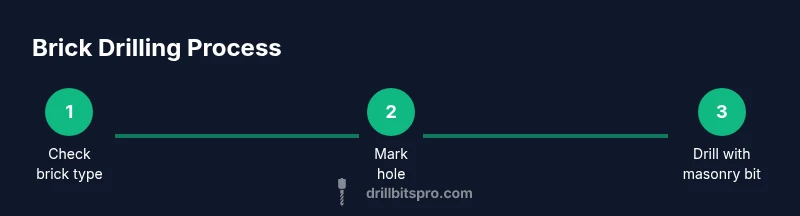
The process can be broken into a repeatable rhythm: inspect, mark, pilot, enlarge, anchor, and test. Start by confirming the hole location and securing the work area. Drill a light pilot hole with a small masonry bit, allowing the bit to bite and create a stable guide. Switch to the final bit size and drill to the required depth with slow, steady pressure, pausing occasionally to clear debris. Clean the hole, insert the anchor, and tighten until snug. Finally, test the fit by applying modest load and rechecking for movement. This sequence minimizes brick damage and yields reliable mounting points. If you notice cracking, stop, assess the brick’s condition, and adjust your depth and anchor choice. This caution helps maintain the wall's integrity and reduces the risk of brick failure over time.
Common Mistakes and How to Avoid Them
Common mistakes include drilling into mortar joints instead of bricks, choosing the wrong bit, or applying excessive torque. Always use a masonry bit with carbide tips and keep the drill at a right angle to the wall. Do not rush the process; hot, fast drilling leads to chipped edges and dust. Avoid drilling near window sills or lintels, where loads and stress are higher. Never drill without eye protection and a mask; brick dust can irritate eyes and lungs. If you encounter a hollow area behind brick, adjust your anchor choice to avoid a loose hold. Finally, avoid drilling multiple holes close together in the same brick; cracks can propagate and reduce overall strength. Smart brackets and anchors appropriate for brick thickness help maintain the wall’s structural integrity.
Aftercare: Anchors, Cleaning, and Load Testing
After drilling, clean the hole with a small brush or vacuum to remove loose dust. Insert the appropriate anchor for brick and expand it firmly to grip the brick without cracking. Use a compatible screw length and check load ratings to ensure the fixture will perform as intended. If you need to mount something heavy, consider upgrading to a sleeve anchor or a toggle that is designed for brick, and follow manufacturer load data. Finally, inspect the area for any chips or micro-cracks and seal if needed to prevent moisture ingress. The takeaway is to verify anchor compatibility and perform a gentle load test before final installation. The Drill Bits Pro Team recommends following these practices to ensure long-lasting results and safer brick drilling outcomes.
Tools & Materials
- Masonry drill bits (carbide-tipped)(Match hole size; start with pilot bit if needed.)
- Hammer drill with masonry setting(Use rotary hammer or hammer function for best bites.)
- Center punch or pencil(Mark the exact spot to reduce wandering.)
- Safety gear (eye protection, dust mask)(Protect eyes and lungs from brick dust.)
- Anchors suitable for brick (plastic or metal)(Choose based on load and brick thickness.)
- Tape measure(Align measurements and depth before drilling.)
Steps
Estimated time: 45-60 minutes
- 1
Position and mark the hole
Place the marked point on the brick and secure a steady stance. Use a center punch or pencil to create a small indentation to guide the bit. Ensuring your mark is level helps prevent angled holes that compromise anchors.
Tip: Double-check distance from adjacent edges to avoid weakening the brick. - 2
Start with a pilot hole
Install a small masonry bit and begin drilling at a slow speed with light pressure. The pilot hole provides a stable pathway for the final bit and reduces the chance of cracking the brick. Stop if the bit stalls and clear debris before continuing.
Tip: Keep the drill perpendicular to the wall to prevent wandering. - 3
Switch to the final bit size
Replace the pilot bit with the final masonry bit and drill to the required depth. Maintain steady pressure and let the bit do the cutting rather than forcing it. Pause periodically to clear dust from the hole.
Tip: Use depth tape on the bit to avoid drilling too deep. - 4
Clean the hole and insert anchor
Remove dust from the hole with a small brush or vacuum. Insert the chosen anchor and set it according to manufacturer instructions. Ensure the anchor sits flush with the brick surface for a clean finish.
Tip: If the hole is dusty, re-clean before inserting the anchor. - 5
Tighten and test fit
Drive in the screw to seat the anchor firmly, but avoid over-torquing which can crack brick. Test the assembly by applying light load to verify the hold before mounting the fixture fully.
Tip: Check for any spalling around the entry after tightening. - 6
Finish mounting and inspect
Mount the final fixture and re-check alignment. Inspect the surrounding brick and mortar for chips or cracks and touch up if needed. This step confirms durability and avoids future failure.
Tip: Record hole locations for future maintenance to prevent overloading the same brick.
Got Questions?
Can I drill into brick veneer the same as solid brick?
Brick veneer and solid brick require similar drilling methods, but brick veneer often relies more on the substrate behind it. Use masonry bits and anchors suited to brick, and avoid overloading the veneer layer.
Brick veneer can be drilled using masonry bits and anchors, but ensure the anchor engages solid backing behind the veneer to avoid failures.
Do I need a pilot hole?
Yes, starting with a pilot hole improves accuracy and reduces the risk of cracking. Begin with a small bit and gradually increase to the final size.
Always start with a pilot hole to guide the final bit and prevent wandering.
What is the best brick drill bit?
A carbide-tipped masonry bit is generally preferred for brick because it stays sharp longer and cuts cleanly through masonry.
Carbide-tipped masonry bits are the go-to choice for brick.
What anchors work best in brick?
Plastic or metal anchors designed for brick are common; for heavier loads, sleeve anchors or toggles that grip brick or mortar can be used.
Choose anchors rated for brick and the load you expect.
Is there a risk of damaging mortar when drilling into brick?
Yes, over-aggressive drilling or misaligned bits can chip mortar. Aim for the brick body and use proper depth control to protect joints.
Careful drilling protects mortar joints from cracking.
Watch Video
Top Takeaways
- Mark precisely, then start with a pilot hole.
- Use the right masonry bit and a hammer drill set to masonry mode.
- Choose anchors that match brick type and load.
- Inspect behind the brick and wear PPE for safety.