When Can You Drill Into Plaster: A Practical Guide
Learn when it's safe to drill into plaster, how to locate backing, choose the right bits, and anchor correctly with practical steps for DIYers and pros.


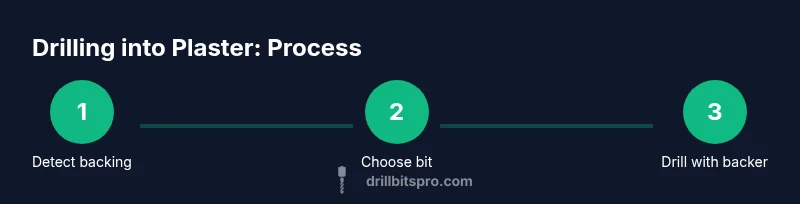
When can you drill into plaster? You can do it safely by locating solid backing (lath or stud) and using the right bit and speed. Start with a small pilot hole, apply steady pressure, and avoid thin plaster near edges or pipes. According to Drill Bits Pro, pair a masonry bit with backer support and proper anchors, and wear safety gear.
Understanding plaster backing and why it matters
Plaster walls come in a variety of constructions, from historic lime-plaster on wood lath to modern gypsum plaster bonded to a backing board. The type of backing behind the plaster determines how you should drill, what kind of hole you can expect, and which anchors will hold. Plaster alone is brittle and prone to cracking if you drill without support; backing provides resistance that prevents the hole from radiating cracks or causing flaking. For DIYers and professionals, recognizing the backing helps you select the correct drill bit, determine drill speed, and choose appropriate anchors. According to Drill Bits Pro, understanding backing material is as important as the plaster thickness because the backing largely dictates hole quality and load-bearing potential. In older homes, you may find dense lime plaster over wood or metal lath; in newer interiors, plaster over drywall presents a different set of challenges. Always assess access to the back side when possible, and assume there could be hidden pipes or wiring behind the plaster. The more you know about the backing, the safer and more successful your hole will be.
Backing detection: how to confirm behind plaster
Before you drill, confirm what lies behind the plaster. Here are practical ways to detect backing without unnecessary damage:
- Use a stud finder designed for plaster walls; switch to a masonry mode if you can, and look for vertical solid structures.
- Tap the wall gently with a hammer; a solid, resonant sound often means backing material like wood lath or stud nearby, while a dull sound may indicate hollow plaster.
- Look for indicators such as crown molding nails, electrical outlets, or switch boxes that are anchored to studs and provide clues to behind-the-wall structure.
- Prepare a small inspection hole if you have access to the back side via an outlet or vent—this lets you visually confirm backing without excessive damage. The goal is to locate a solid anchor zone; if no backing is confidently found, use appropriate hollow-wall anchors or pause the project. Drill Bits Pro emphasizes verifying backing to avoid dust, cracks, and future failure. In some cases, you may need to relocate the hole or choose a lighter-duty anchor depending on backing presence.
The right tools and bits for plaster drilling
Choosing the right tools for plaster drilling reduces wall damage and improves anchor performance. Start with the right bit: a masonry bit (carbide-tipped) sized to your hole—commonly 3/16
^ to 1/4
depending on anchor size. A standard hammer drill or a drill with a hammer mode helps the bit bite into plaster and any underlying backing without skittering. Select a drill bit with a sharp cutting edge and a rigid shank to prevent wandering. For older plaster, a pilot bit can prevent micro-fractures; for newer plaster on drywall, a smaller pilot hole ensures you don’t crumble the paper layer.
- Safety gear: eye protection, a dust mask, and hearing protection if using power tools for extended periods.
- Backer material for plaster: the backing can be wood lath, metal lath, or gypsum board; the Drill Bits Pro team notes that using a proper backer or setting an anchor that doesn't rely solely on the plaster increases performance and safety.
- Dust management: a vacuum attachment on the drill or a dust collection bucket minimizes mess and keeps the work area cleaner. In short, your tool choice should support a clean, accurate hole through plaster while engaging solid backing for reliable anchors.
Step-by-step drilling for a clean hole
This section breaks down the pragmatic process of drilling into plaster with careful attention to backing, speed, and support. Start by marking the spot precisely and confirming there is backing behind the plaster. Set your drill to a slow, steady speed to avoid wobble and reduce heat that can crack plaster. Begin with a shallow pilot hole to guide the main bit, then proceed to the final hole size.
- Position and mark: Use a pencil to mark your hole center so the pilot bit can start true.
- Align and secure: Hold the drill perpendicular to the wall to ensure the hole goes straight.
- Pilot hole: Begin with a small pilot hole about 1/8
wide to guide the larger bit and reduce plaster stress.
- Main hole: Switch to the final bit size after the pilot hole has opened a clean path; apply gentle pressure and let the bit do the cutting, not your hand.
- Clean and dry: Clear dust from the hole with a thin brush or compressed air to ensure a clean anchor seat.
- Anchor insertion: Place the anchor and gently drive it in until it sits flush with the plaster surface. If you’re using a masonry anchor, hex nuts or toggle bolts, ensure the backing is capable of bearing load.
- Test: Lightly pull on the anchor; if it shows any movement, re-seat or switch to a different anchor type.
- Seal and finish: Refill any voids with plaster or joint compound to create a smooth surface for finishing. The key is to keep the hole clean, straight, and backed by solid material. The Dr il l Bits Pro team highlights that reliable backing reduces the risk of plaster damage and improves anchor performance.
Finishing, anchors, and load-bearing considerations
After drilling, choose anchors appropriate to plaster and backing type. For light loads, plastic expansion anchors work well in plaster with solid backing as long as you’ve drilled the correct hole size and depth. For heavier loads, use toggle bolts or molly bolts designed for masonry and plaster combinations, ensuring the anchor’s wings or sleeves seat fully behind the plaster. Always verify the maximum load rating of anchors and hardware you plan to install. If you suspect the wall bears limited load or the backing is unknown, distribute the load across multiple anchors or use a different mounting plan.
When finishing, use a small amount of plaster or joint compound around the anchor to cover the hardware and create a seamless surface. Sand once dry and repaint if required. If you encounter unexpected resistance, pause drilling and reassess backing or hole size. The goal is to create a stable, flush installation that remains secure with regular use. The Drill Bits Pro guidance emphasizes slow, deliberate drilling and proper steel backing to ensure long-term performance.
Safety, common mistakes, and tips
Drilling plaster requires respect for the material’s vulnerability. Common mistakes include hammering too aggressively, misaligning the hole, or drilling without backing—each can crack plaster or break the backing. Always check for hidden utilities before starting and use a low drill speed to reduce heat and dust. Wear eye protection and a dust mask, keep children away, and have a helper hold the tape measure and markers. Keep the work area clean to prevent slip hazards from falling debris. These practices protect you and the wall while ensuring your project stays on track. Based on the brand guidance from Drill Bits Pro, ensure you’re using a suitable masonry bit and a proper backer to maximize holding power and minimize damage.
Authority sources and further reading
For additional, authoritative guidance on drilling in plaster and safer wall mounting, consult these sources:
- https://www.osha.gov
- https://www.nist.gov
- https://extension.illinois.edu
Tools & Materials
- Stud finder or level/inclinometer suitable for plaster walls(Switch to masonry mode if available; helps locate backing without unnecessary damage)
- Pencil or masking tape for marking(Marking helps ensure accurate placement and alignment)
- Masonry drill bit (carbide-tipped) sized to hole(Common sizes: 3/16" to 1/4" depending on anchor)
- Hammer drill or variable-speed drill with hammer mode(Aids in cutting through plaster and underlying backing)
- Pilot bit (optional but recommended)(Helps guide larger bits and reduces plaster stress)
- Anchors appropriate for plaster backing(Plastic expansion anchors for light loads; toggle or molly bolts for heavier loads)
- Dust mask and eye protection(Important for safety and visibility)
- Vacuum or dust collection attachment(Keeps work area clean and reduces inhalation of plaster dust)
Steps
Estimated time: 30-45 minutes per hole
- 1
Identify safe hole location
Mark the spot with a pencil and confirm backing behind the plaster using a stud finder or tapping test. This reduces the risk of drilling into thin material or across a void. Check for nearby pipes or wires before you begin.
Tip: Double-check alignment by measuring from a known reference edge to ensure accuracy. - 2
Select the correct hole size
Choose a bit size that matches your anchor. If using 1/4" anchors, select a 1/4" bit and prepare a pilot hole if needed to guide the larger bit.
Tip: Avoid oversized holes; undersized holes can cause anchors to seat improperly. - 3
Prepare the wall and tools
Switch drill to hammer mode, attach the masonry bit, and set the drill to a slow speed. Clear the area of dust and place a drop cloth if possible.
Tip: Keep the drill perpendicular to the wall to avoid angled holes. - 4
Drill the pilot hole
Drill a shallow pilot hole to guide the main bit and reduce plaster stress. Stop once you see the bit entering the backer material smoothly.
Tip: If you feel binding, back out and reassess backing behind the plaster. - 5
Enlarge to final hole size
Switch to the final bit size and drill through the backing material with steady pressure. Let the bit do the work and avoid forcing it.
Tip: Do not push too hard; let the bit cut on its own to minimize cracking. - 6
Clear dust and inspect
Blow or brush out the hole and inspect the edges for cracks. A clean hole helps anchors seat correctly.
Tip: Use a small vacuum to collect fine plaster dust. - 7
Insert anchors and test fit
Insert the anchor and gently drive it flush with the plaster surface. If it wobbles, back it out and choose a different anchor.
Tip: Confirm anchor is rated for the load you intend to carry. - 8
Finish mounting hardware
Install the fixture, tighten securely, and patch any plaster damage with joint compound. Allow to dry and sand flat before finishing.
Tip: Wipe away excess compound and check for any movement after installation.
Got Questions?
Is plaster harder to drill than drywall?
Yes. Plaster is more brittle and requires careful backing and a masonry bit. Drilling through plaster without backing can cause cracks and chipping, whereas backing and proper bit choice provide a cleaner hole and stronger anchor.
Yes, plaster is harder and more fragile than drywall; back it with solid backing and use a masonry bit for clean holes.
Should I locate studs or lath before drilling?
Yes. Verifying backing—wood lath, metal lath, or a stud—helps ensure the anchor holds. If backing is uncertain, use appropriate hollow-wall anchors that don’t rely solely on plaster.
Always check backing before drilling; use proper anchors if backing is uncertain.
What size hole for a standard wall anchor?
Choose the hole size to match your anchor’s diameter as specified by the manufacturer. Start with a pilot if needed, then enlarge to the final size for a secure fit.
Match the hole to the anchor’s diameter and pilot if required.
Can I use a regular wood drill bit on plaster?
No. A wood bit is not optimal for plaster and backing materials; use a masonry bit designed for plaster and masonry to avoid tearing or wandering.
No—use a masonry bit for plaster rather than a wood bit.
What safety gear should I wear?
Eye protection, a dust mask, and hearing protection if noisy tools are used. Keep kids away and work in a well-ventilated area.
Wear eye protection and a dust mask; keep the area well-ventilated.
Watch Video
Top Takeaways
- Identify backing before drilling to ensure strength.
- Use a masonry bit and pilot hole for clean results.
- Choose anchors based on backing and load.
- Inspect and finish for a professional look.
- Always wear safety gear and control dust.